

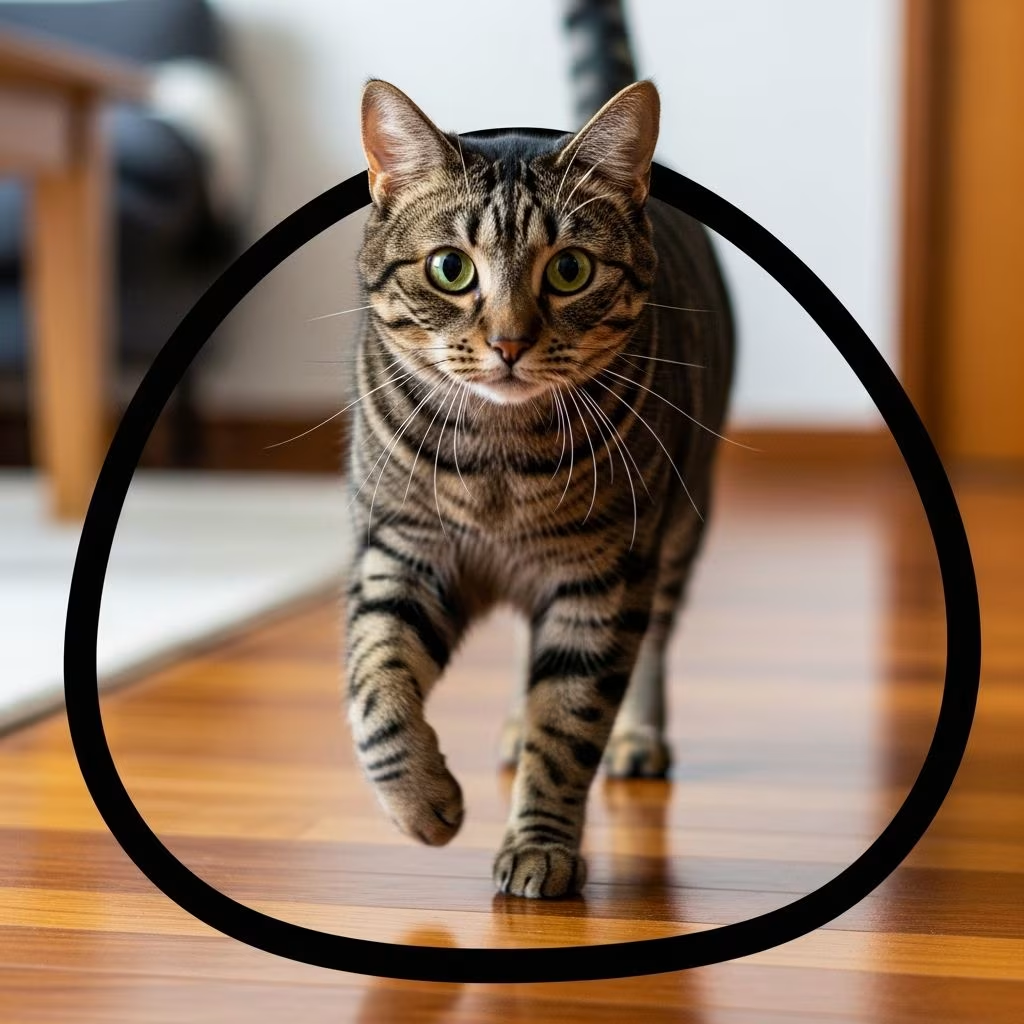
Why Is My Cat Walking in Circles?
If you’ve noticed your cat walking in circles, you may be concerned about their health and wellbeing. While occasional circling during playtime or while patrolling territory is normal feline behavior, persistent or sudden-onset circling can indicate an underlying medical or behavioral issue that requires attention. Understanding the potential causes of this behavior is essential for cat owners to determine whether their pet needs veterinary evaluation.
Circle walking in cats can range from harmless to serious, depending on the frequency, duration, and accompanying symptoms. Some cases resolve on their own, while others may require immediate veterinary intervention. This guide will help you understand what causes your cat to walk in circles and when professional help is necessary.
Normal Circling Behavior in Cats
Before exploring concerning causes, it’s important to recognize that some circling behavior is completely normal. Cats naturally pace and circle while engaging in everyday activities. Temporary circling is expected and not alarming when your cat is:
- Playing or exercising
- Patrolling their territory
- Waiting for a meal or treat
- Looking for a suitable place to urinate or defecate
- Watching birds or other animals through a window
- Preparing a comfortable spot to rest or sleep
In these situations, the behavior is temporary and stops once the cat’s need has been met or the activity concludes. This type of circling does not typically indicate a health concern and requires no intervention.
Vestibular Disease: A Primary Cause of Circling
One of the most common medical causes of circling in cats is vestibular disease, also known as idiopathic vestibular disease. This condition affects the vestibular system, which is located in the inner and middle ear and is responsible for maintaining balance, orientation, and a sense of direction. When the vestibular apparatus is diseased or damaged, cats experience significant disruption in their ability to maintain equilibrium.
Understanding the Vestibular System
The vestibular system works by sending signals to the brain about the cat’s position in space and body orientation. When this system malfunctions, cats experience vertigo and dizziness, similar to the sensation humans feel during severe dizziness. The cat’s world view becomes distorted, making it difficult to determine which direction is up or down. This disorientation directly leads to the characteristic circling behavior observed in affected cats.
Symptoms of Vestibular Disease
Vestibular disease typically develops very suddenly, often within less than an hour. Cat owners may notice their pet transitions from appearing completely normal to showing dramatic signs of distress. Common symptoms include:
- Circling or falling to one side
- Head tilt to one side
- Rapid, jerking eye movements (nystagmus)
- Loss of balance and coordination (ataxia)
- Difficulty standing or maintaining balance
- Drifting to one side when attempting to walk
- Vomiting and nausea
- Decreased appetite
- Facial drooping or Horner’s syndrome
During the first 24 to 48 hours after onset, symptoms are typically most severe. Many cats show significant improvement within 72 hours, with gradual recovery continuing over several weeks.
Types of Vestibular Disease
Vestibular disease in cats manifests in two distinct forms:
Peripheral Vestibular Disease: This type affects the inner ear and the vestibular nerve. It is the more common form and typically results from infections of the middle or inner ear, ear mites, or inflammation. Peripheral vestibular disease generally has a better prognosis with appropriate treatment.
Central Vestibular Disease: This neurological disorder affects the brainstem or cerebellum and can result from infections, tumors, or trauma to the central nervous system. Central vestibular disease may be more serious and typically requires more extensive diagnostic evaluation and treatment.
Risk Factors and Breeds
While vestibular disease can affect cats of any age, it is more commonly observed in senior felines. Certain breeds, particularly Siamese and Burmese cats, may suffer from an inherited or congenital form of the condition. Additionally, cats exposed to ototoxic medications or those with a history of ear infections face increased risk.
Other Medical Causes of Circling Behavior
Beyond vestibular disease, several other medical conditions can cause cats to walk in circles. A comprehensive understanding of these conditions helps cat owners identify when veterinary care is necessary.
Neurological Disorders
Various neurological conditions can manifest as circling behavior. These include feline dementia (feline cognitive dysfunction), hydrocephalus (fluid buildup in the brain), seizure disorders, and feline hyperesthesia syndrome. Cats with neurological disorders may also display other symptoms such as confusion, disorientation, or unusual vocalization patterns.
Toxin Ingestion
Exposure to toxic substances can cause circling and other neurological symptoms in cats. Common household toxins include certain plants, medications, chemical cleaners, and pesticides. If toxin ingestion is suspected, emergency veterinary care should be sought immediately.
Head Trauma
Injury to the head or brain can result in circling behavior and loss of coordination. Cats that have experienced recent trauma or falls should be evaluated by a veterinarian promptly.
Infections and Inflammation
Middle and inner ear infections are among the most common causes of vestibular disease. Additionally, other systemic infections can affect neurological function and lead to circling behavior.
Behavioral and Environmental Causes
Not all circling behavior in cats is medical in nature. Behavioral and environmental factors can also contribute to this behavior.
Obsessive-Compulsive Disorder
Some cats develop obsessive-compulsive behaviors, including repetitive circling that cannot be interrupted. These behavioral issues may stem from stress, anxiety, or genetic predisposition and typically require behavioral intervention and sometimes medication.
Anxiety and Stress
Severe anxiety in cats can manifest as repetitive behaviors, including circling. Environmental stressors such as changes in the home, introduction of new pets, or loud noises may trigger this response in sensitive cats.
Boredom
Cats with inadequate environmental enrichment or insufficient exercise may develop repetitive behaviors as a way to manage boredom. Providing more interactive play, toys, and climbing opportunities can help address this issue.
When to Seek Veterinary Care
Determining whether your cat’s circling behavior warrants veterinary attention is crucial. Several factors help distinguish normal circling from concerning behavior:
Characteristics of Concerning Circling
Cats with sudden-onset pacing and circling or those displaying these additional symptoms should be promptly evaluated by a veterinarian. Seek immediate emergency veterinary care if toxin ingestion or head trauma is suspected. Circling behavior that cannot be interrupted or where the cat appears unable to stop may indicate an emergency situation.
Key warning signs include:
- Sudden onset of circling (acute development)
- Persistent circling that cannot be interrupted
- Circling accompanied by head tilt, nystagmus, or loss of balance
- Difficulty walking or maintaining coordination
- Vomiting, nausea, or loss of appetite
- Abnormal eye movements or facial drooping
- Signs of pain or distress
- Recent head trauma or suspected toxin exposure
Diagnosis and Testing
When you bring your cat to the veterinarian for evaluation of circling behavior, several diagnostic approaches may be employed to identify the underlying cause.
Physical Examination
Your veterinarian will perform a thorough physical examination, looking for signs of injury, neurological deficits, or other abnormalities. This examination may reveal late-term pregnancy, visible injuries, or indicators of systemic illness.
Blood Work
Laboratory testing provides valuable information about your cat’s overall health status and can suggest underlying causes such as thyroid disease, infection, or toxicosis. Blood work may reveal metabolic imbalances, infections, or other systemic conditions contributing to the circling behavior.
Diagnostic Imaging
Depending on the suspected cause, your veterinarian may recommend various imaging studies. These can include ultrasound, X-rays, fluoroscopy, CT scans, or MRI imaging. Imaging is particularly useful for identifying tumors, structural abnormalities, or signs of infection within the vestibular system or brain.
Treatment and Management
Treatment for circling behavior depends entirely on the underlying cause. For vestibular disease, most cats improve significantly with supportive care and time, as many cases are self-limiting. Medications may be prescribed to manage nausea and dizziness, helping your cat feel more comfortable during recovery.
For cats with peripheral vestibular disease caused by ear infection, antibiotics may be necessary. Those with central vestibular disease may require more aggressive treatment addressing the underlying neurological cause, whether infection, trauma, or tumor.
Behavioral circling may respond to environmental enrichment, stress reduction, or behavioral modification techniques. In some cases, anti-anxiety medication or other pharmaceutical interventions may be beneficial.
Supporting Your Cat During Recovery
Regardless of the cause of your cat’s circling behavior, certain supportive measures can improve comfort and safety during the diagnostic and treatment process:
- Provide a quiet, safe environment with easy access to food, water, and litter box
- Place resources on the same level to minimize jumping or climbing
- Use non-slip surfaces to help your cat maintain balance
- Minimize stress and maintain a consistent routine
- Monitor food and water intake, assisting if necessary
- Keep the cat indoors to prevent injury or escape
- Administer medications as prescribed by your veterinarian
Prognosis and Long-term Outlook
The prognosis for cats with circling behavior varies depending on the underlying cause. Many cases of vestibular disease show dramatic improvement within the first few days to weeks, with gradual return to normal function over several weeks to months. Most cats regain good quality of life with appropriate care and support.
Behavioral circling often improves with environmental modifications and enrichment. Cats with other underlying conditions may have variable outcomes depending on the severity and treatability of the primary condition.
Frequently Asked Questions
Q: Is circling behavior in cats always a sign of a serious medical condition?
A: No, not all circling is serious. Brief, occasional circling during play, while patrolling territory, or while waiting for meals is normal. However, sudden-onset circling or circling that cannot be interrupted may indicate a medical emergency and requires veterinary evaluation.
Q: How quickly does vestibular disease develop in cats?
A: Vestibular disease typically develops very suddenly, often within less than an hour. Affected cats may transition from appearing completely normal to showing significant signs of distress and loss of balance almost immediately.
Q: Can vestibular disease in cats be cured?
A: Many cases of vestibular disease improve significantly with supportive care and time. Most cats show improvement within 72 hours and continue to recover over weeks to months. Treatment focuses on managing symptoms and addressing underlying causes if identified.
Q: What should I do if my cat suddenly starts walking in circles?
A: If your cat develops sudden-onset circling, especially accompanied by head tilt, nystagmus, vomiting, or loss of balance, contact your veterinarian promptly. If toxin ingestion or head trauma is suspected, seek emergency veterinary care immediately.
Q: Are certain cat breeds more prone to circling behavior?
A: Siamese and Burmese cats are more likely to inherit congenital forms of vestibular disease. However, vestibular disease and circling behavior can occur in any breed and any age cat.
Q: How is vestibular disease diagnosed?
A: Diagnosis typically involves a physical examination, blood work, and potentially diagnostic imaging such as X-rays, ultrasound, CT scans, or MRI to identify the underlying cause of the vestibular symptoms.
References
- Pacing in Cats – Causes, Treatment and Associated Symptoms — Vetster. 2025. https://vetster.com/en/symptoms/cat/pacing-in-cats
- Vestibular Disease in Cats — PetMD. 2025. https://www.petmd.com/cat/conditions/urinary/vestibular-disease-cats
- Vestibular Disease in Cats — VCA Animal Hospitals. 2025. https://vcahospitals.com/know-your-pet/feline-vestibular-disease
- Vestibular Disease in Cats: Symptoms & Treatments, Ventura Vets — Ventura Mobile Surgical Group. 2024-08-15. https://www.vmsg.com/site/blog/2024/08/15/vestibular-disease-cats



