

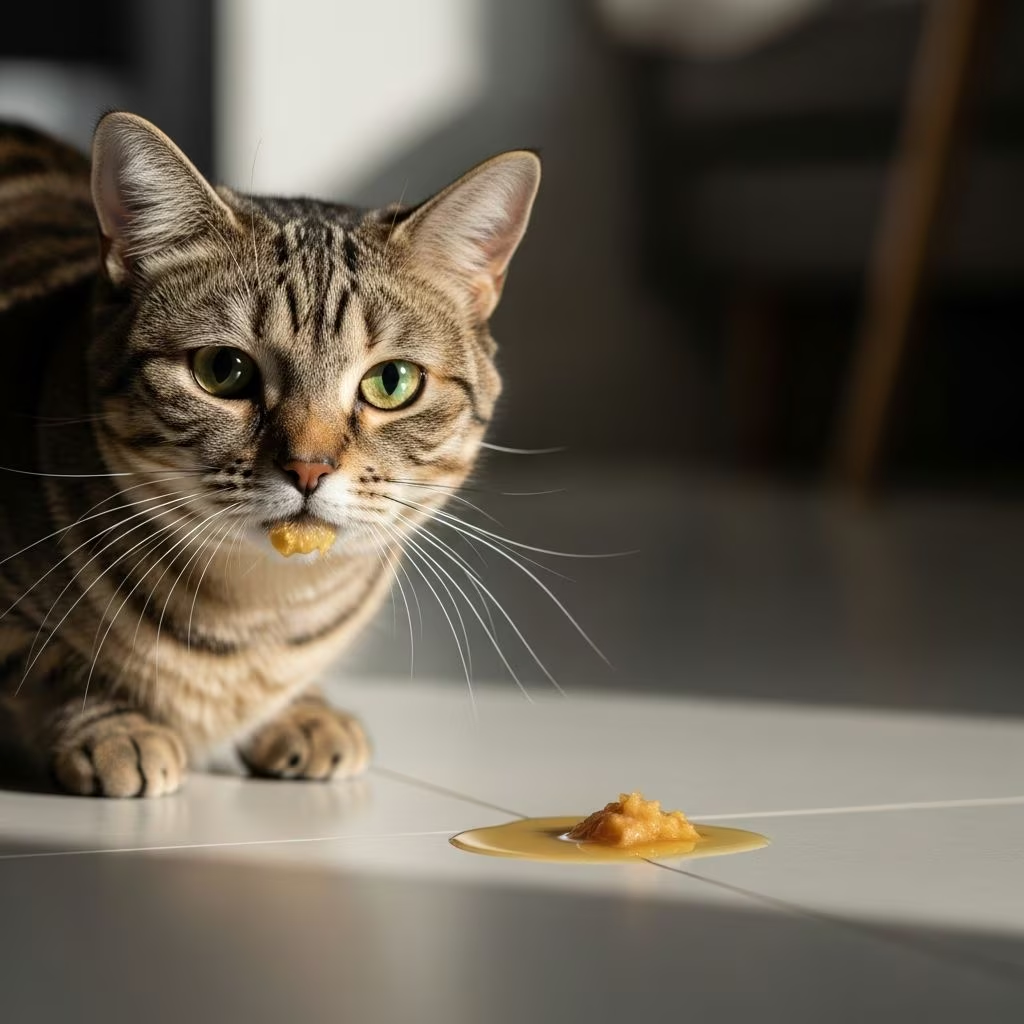
Cat vomiting is a common issue that alarms many pet owners, but it can range from harmless hairballs to signs of serious health problems. Understanding the difference between normal and concerning vomiting helps you decide when to monitor at home or rush to the vet. This guide covers everything from causes and types to treatments and prevention, drawing on veterinary insights to keep your cat healthy.
Why Do Cats Vomit?
Cats vomit for various reasons, often related to their grooming habits, diet, or underlying diseases. Occasional vomiting might stem from eating too fast or hairballs, while frequent episodes signal deeper issues like infections or organ dysfunction. Acute vomiting appears suddenly and resolves quickly once treated, whereas chronic vomiting persists over weeks due to ongoing conditions.
- Hairballs: Cats groom excessively, swallowing fur that forms irritating masses in the stomach.
- Dietary issues: Eating spoiled food, sudden diet changes, or intolerances trigger upset.
- Parasites and infections: Worms like roundworms or viruses such as feline panleukopenia cause irritation.
- Systemic diseases: Kidney disease, hyperthyroidism, pancreatitis, or cancer often lead to repeated vomiting.
Cat Vomiting vs Regurgitation: Key Differences
Many confuse vomiting with regurgitation, but they differ in process and implications. Vomiting is an active, forceful expulsion from the stomach, often preceded by retching, nausea, or drooling. Regurgitation is passive, with undigested food emerging effortlessly from the esophagus soon after eating, without abdominal effort.
| Aspect | Vomiting | Regurgitation |
|---|---|---|
| Effort | Forceful, with retching | Passive, no effort |
| Timing | Anytime, often hours after eating | Immediately or soon after eating |
| Appearance | Partially digested, with bile or foam | Undigested, tubular shape |
| Causes | Stomach issues, diseases | Esophageal problems, eating too fast |
Recognizing these helps pinpoint issues: regurgitation may indicate megaesophagus, while vomiting points to gastric problems.
Types of Cat Vomit and What They Mean
The appearance of vomit provides clues to the cause. Clear liquid suggests excess stomach fluid or overhydration; food-like vomit indicates dietary indiscretion; yellow bile signals empty stomach irritation or bile reflux; blood (red or coffee-ground) warns of ulcers or clotting issues; worms confirm parasites.
- Undigested food: Often from eating too quickly or poisoning.
- Mucus or foam: Intestinal inflammation or gastritis.
- Bile (yellow/green): Possible pancreatitis or bowel disease.
- Blood: Ulcers, foreign bodies, or cancer—emergency!
- Worms or parasites: Visible roundworms need deworming.
Foul-smelling vomit may indicate obstruction or infection. Note color, frequency, and accompanying symptoms like diarrhea or lethargy.
Common Causes of Vomiting in Cats
Causes span benign to life-threatening. Dietary indiscretion tops the list for acute cases, while chronic vomiting often ties to age-related diseases in seniors.
Hairballs and Grooming
Weekly hairballs are normal for long-haired cats, but frequent ones signal over-grooming from stress or skin issues. Hair accumulates, irritating the stomach until expelled.
Dietary Indiscretion and Food Sensitivities
Cats eating grass, spoiled food, or table scraps often vomit. Sensitivities to proteins cause chronic issues; try hypoallergenic diets.
Parasites and Infections
Roundworms, hookworms, or viruses like FPV irritate the gut. Kittens and outdoor cats are at risk; regular deworming prevents this.
Foreign Bodies and Obstructions
Swallowed strings or toys block intestines, causing persistent vomiting. Surgery may be needed.
Chronic Diseases
Kidney disease, hyperthyroidism, IBD, pancreatitis, liver issues, diabetes, or cancer manifest as ongoing vomiting. Blood tests diagnose these.
Toxins and Medications
Lilies, antifreeze, or drugs like chemotherapy provoke vomiting. Seek immediate detox.
When to Worry: Signs of Serious Vomiting
Not all vomiting needs a vet, but these red flags do: multiple episodes in 24 hours, blood, lethargy, dehydration (skin tenting, dry gums), weight loss, diarrhea, or appetite loss. Chronic weekly vomiting warrants checks for underlying disease.
- Over 3 episodes in a day
- Bloody or black vomit
- Weakness or collapse
- No eating/drinking for 24 hours
- Abdominal pain (hunched posture)
Seniors or kittens deserve quicker attention due to vulnerability.
What to Do If Your Cat Is Vomiting
For isolated incidents: withhold food 12-24 hours, offer ice cubes or small water sips, then bland food like boiled chicken. Monitor closely.
- Remove food for 12 hours.
- Provide fresh water; encourage small amounts.
- Reintroduce bland diet: baby food (no onion/garlic) or prescription GI food.
- Observe for 24-48 hours.
Avoid milk or fatty foods. If no improvement, vet visit essential.
Veterinary Diagnosis and Tests
Vets start with history and exam, then fecal tests for parasites, bloodwork for organ function, ultrasound/X-rays for obstructions, or endoscopy for IBD.
- Physical exam and history
- Blood tests (kidney, thyroid, etc.)
- Imaging (X-ray, ultrasound)
- Fecal analysis
- Biopsy if needed
Treatment Options for Vomiting Cats
Treatment targets the cause: fluids for hydration, antiemetics like maropitant, diet changes, or meds for diseases.
- Fluids: Subcutaneous or IV to combat dehydration.
- Antiemetics: Cerenia or metoclopramide stop nausea.
- Diet: Bland or prescription (e.g., Hill’s i/d, Royal Canin GI).
- Specifics: Dewormers, antibiotics, steroids for IBD (e.g., prednisone—vet only).
- Hospitalization: For severe cases.
Probiotics aid gut recovery.
Preventing Vomiting in Cats
Brush regularly to reduce hairballs, feed small meals slowly, use puzzle feeders, stick to quality diet, prevent toxins, schedule check-ups, and deworm routinely. Annual bloodwork catches issues early.
- Grooming routine
- Slow feeding
- Parasite prevention
- Consistent diet
- Secure environment
Frequently Asked Questions (FAQs)
Q: How often is vomiting normal for cats?
A: Occasional (once a month) hairballs are fine; weekly or more needs vet evaluation.
Q: Can I treat cat vomiting at home?
A: For mild cases, yes—with fasting and bland food—but see vet if persistent.
Q: What does yellow vomit mean?
A: Often bile from empty stomach; chronic cases may indicate IBD or pancreatitis.
Q: Is cat vomit with blood an emergency?
A: Yes, it signals ulcers or worse; seek immediate care.
Q: How to help a cat with hairballs?
A: Brush daily, use hairball food/formulas, encourage water intake.
References
- Is Your Cat Vomiting? A Complete Guide to Causes and Care — Best Friends Animal Society. 2023. https://bestfriends.org/pet-care-resources/cat-throwing-causes-when-see-vet-treatment
- My cat won’t stop vomiting: what to do and when to worry — American Pet Clinic. 2024-05-15. https://www.americanpetclinic.com/site/blog/2024/05/15/cat-wont-stop-vomiting
- Cat Vomiting: Causes, Types, and What to Do — PetMD. 2024. https://www.petmd.com/cat/symptoms/cat-vomiting-causes-and-types
- Cat Vomiting: Causes and How to Help — Pinnacle Veterinary. 2024. https://pinnacle.vet/blog/cat-vomiting/
- Mechanisms, causes, investigation and management of vomiting in the domestic cat — PMC (Peer-reviewed). 2024. https://pmc.ncbi.nlm.nih.gov/articles/PMC10816764/
- Cat Vomiting: What to Do and When It Requires Emergency Care — GSVS. 2024. https://gsvs.org/blog/cat-vomiting-emergency-care/



