

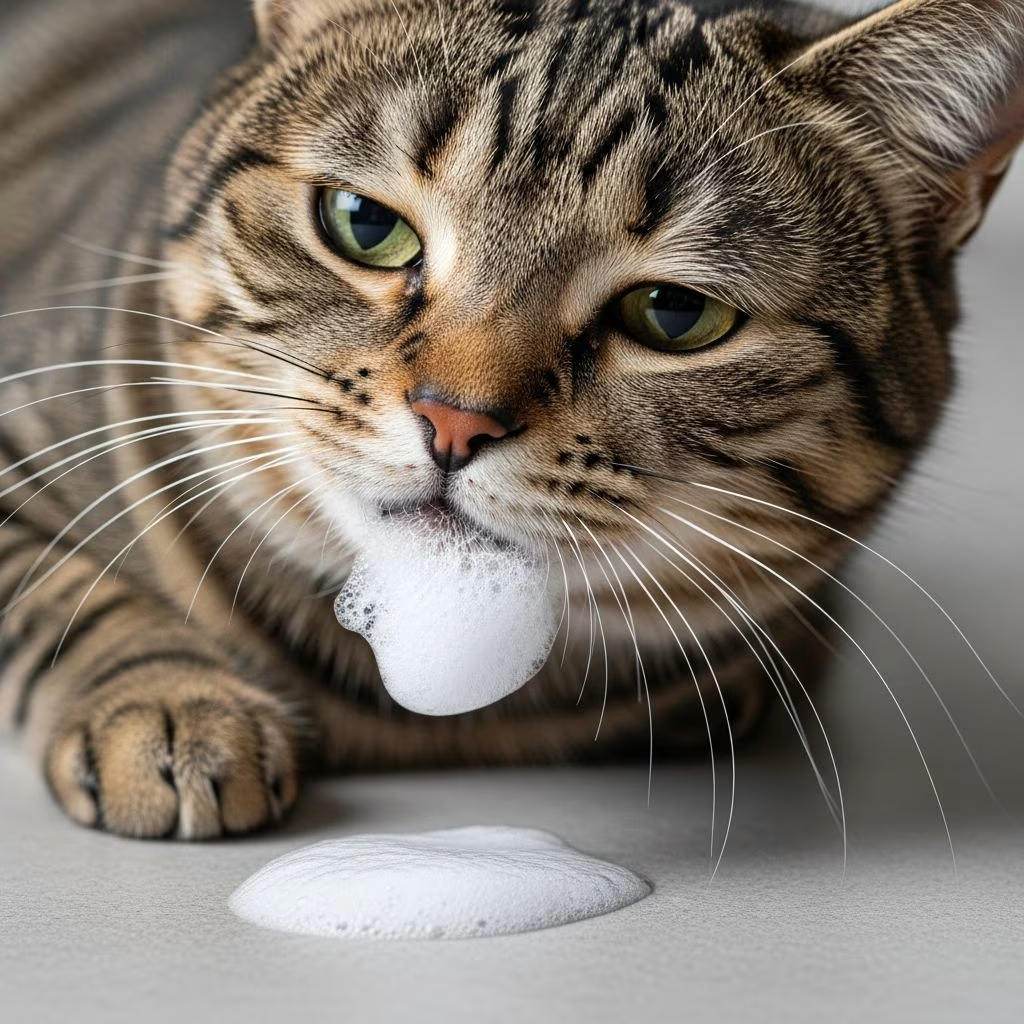
Seeing your cat vomit white foam can be alarming for any pet owner. This symptom often appears as a frothy, white or slightly yellowish substance, typically when the stomach is empty or irritated. While occasional episodes may stem from benign issues like hairballs, persistent vomiting warrants immediate attention to rule out serious conditions such as gastritis, infections, or systemic diseases. Understanding the underlying causes, recognizing accompanying symptoms, and knowing when to seek veterinary care is crucial for your cat’s health.
What Does It Mean When a Cat Vomits White Foam?
White foam vomit in cats usually consists of gastric juices, mucus, saliva, and air bubbles produced when the stomach contracts without solid food present. This differs from vomiting undigested food or bile, which may appear yellow or green. It commonly occurs in the morning on an empty stomach, signaling irritation of the stomach lining. If the foam has a yellow tinge, it may include bile from the small intestine backing up into the stomach.
The vomit is often slimy and frothy due to the mixture of stomach acid and foam from excessive salivation or gas. Unlike regurgitation, which is passive and involves undigested food, true vomiting is forceful and indicates active stomach upset. Monitoring frequency, color variations (e.g., pink foam suggesting blood), and associated behaviors helps differentiate minor issues from emergencies.
Common Causes of Cat Vomiting White Foam
Several factors can trigger this symptom, ranging from everyday grooming habits to chronic illnesses. Identifying patterns, such as timing after meals or stress events, aids in pinpointing the cause.
Indigestion or Empty Stomach
Cats with irregular feeding schedules may vomit white foam due to excess gastric acid buildup overnight. This irritates the stomach lining, prompting reflexive vomiting in the morning before breakfast. Feeding smaller, more frequent meals can prevent this.
Hairballs
Grooming leads to ingestion of fur, which accumulates in the stomach forming hairballs. If not passed through feces, hairballs cause irritation and white foam vomiting, often with tubular hair masses visible. Long-haired breeds are prone; regular brushing and hairball remedies help.
Food Allergies or Intolerances
Sensitivities to proteins like chicken or grains can inflame the gut, leading to foam vomiting alongside itching or diarrhea. Transition to hypoallergenic diets over 7-10 days resolves many cases.
Gastritis or Stomach Irritation
Inflammation of the stomach lining (gastritis) from infections, medications (e.g., NSAIDs), or toxins causes white or blood-tinged foam. Symptoms include lethargy and appetite loss; acute cases may resolve, but chronic ones need treatment.
Parasites or Infections
Roundworms, giardia, or viruses like panleukopenia disrupt digestion, causing foam vomit, weight loss, and diarrhea. Kittens and outdoor cats are at higher risk; deworming and fecal tests confirm diagnosis.
Systemic Diseases
- Inflammatory Bowel Disease (IBD): Chronic gut inflammation leads to intermittent foam vomiting, poor nutrient absorption, and weight loss. Diagnosis via biopsy; managed with diet and meds.
- Pancreatitis: Pancreatic inflammation causes severe vomiting with abdominal pain; often linked to high-fat diets.
- Hyperthyroidism or Kidney Disease: Common in seniors, these increase nausea and foam production.
- Toxins: Ingestion of chemicals, plants, or spot-on treatments causes rapid onset foaming and drooling.
Stress-Related Vomiting
Anxiety from changes like new pets triggers gastritis-like symptoms and foam vomit. Pheromone diffusers and stable routines mitigate this.
Symptoms to Watch For
Beyond foam vomit, note lethargy, diarrhea, blood in stool/vomit, dehydration (tacky gums, sunken eyes), weight loss, or appetite refusal. These signal urgency.
| Symptom | Possible Cause | Action |
|---|---|---|
| Single episode, otherwise normal | Hairball/Empty stomach | Monitor, offer food |
| Persistent (>24 hrs), lethargy | Gastritis/IBD/Infection | Vet visit |
| Blood, severe pain | Ulcers/Toxins | Emergency |
| Weight loss, chronic | Hyperthyroidism/Kidney disease | Full diagnostics |
When to See a Vet
Contact a vet if vomiting persists >24 hours, occurs >2-3 times weekly, or accompanies blood, dehydration, or weakness. Kittens, seniors, or cats with pre-existing conditions need prompt care. Severe cases may require hospitalization.
Diagnosis and Treatment Options
Vets start with history, physical exam, then bloodwork, fecal analysis, X-rays, ultrasound, or endoscopy. Treatments target causes:
- Supportive Care: IV/subcutaneous fluids for hydration.
- Medications: Anti-nausea (maropitant/Cerenia), antacids (famotidine), dewormers (fenbendazole).
- Dietary Changes: Bland, hypoallergenic, or prescription foods; smaller meals.
- Advanced: Surgery for obstructions, chemo for lymphoma, steroids for IBD.
Avoid home bland diets without guidance; they can worsen issues.
Home Remedies and Prevention
While awaiting vet advice:
- Withhold food 12-24 hours, then reintroduce bland wet food gradually.
- Encourage hydration with fountains, broth, or wet food.
- Brush daily to reduce hairballs; use laxatives/gels.
- Slow diet transitions; avoid toxins.
- Minimize stress with routines and enrichments.
Prevent recurrences with regular check-ups, parasite control, and balanced nutrition.
Frequently Asked Questions (FAQs)
Q: How often is cat vomiting white foam normal?
A: Occasional (1-2x/month) from hairballs is common; frequent needs vet evaluation.
Q: Can I treat hairballs at home?
A: Yes, with brushing and commercial hairball gels, but persistent cases require vet check.
Q: Is white foam vomit always serious?
A: No, but combined with other symptoms, it can indicate gastritis or worse—don’t ignore.
Q: What diet helps prevent this?
A: High-fiber for hairballs, hypoallergenic for allergies; consult vet for specifics.
Q: When is it an emergency?
A: If >24 hours, blood present, dehydration, or collapse—go immediately.
References
- Cat Throwing Up White Foam: Causes, Symptoms & When to Call — PetPlace. 2023-05-15. https://www.petplace.com/article/cats/pet-health/cat-throwing-up-white-foam
- Why Is My Cat Throwing Up White Foam? Causes & Remedies — WoPet. 2024-02-20. https://wopet.com/why-is-my-cat-throwing-up-white-foam/
- Cat throwing up white foam | Home remedies & when to see a vet — Honnas Vet. 2023-11-10. https://honnasvet.com/cat-throwing-up-white-foam/
- Why is My Cat Throwing Up White Foam — Clarion Animal Hospital. 2024-01-08. https://clarionanimalhospital.com/blog/why-is-my-cat-throwing-up-white-foam/
- Why is My Cat Vomiting White Foam? — Veteris. 2023-09-22. https://veteris.co.uk/petcare-advice/why-is-my-cat-vomiting-white-foam
- My Cat is Vomiting White Foam: What Do I Do? — Advanced Petcare of Clearlake. 2024-03-05. https://advancedpetcareofclearlake.com/blog/cat-vomiting-white-foam/
- White Foam Vomiting in Cats: Causes & Solutions — Bailey’s CBD. 2023-12-18. https://baileyscbd.com/blogs/cat-health/decoding-white-foam-vomiting-in-cats



