

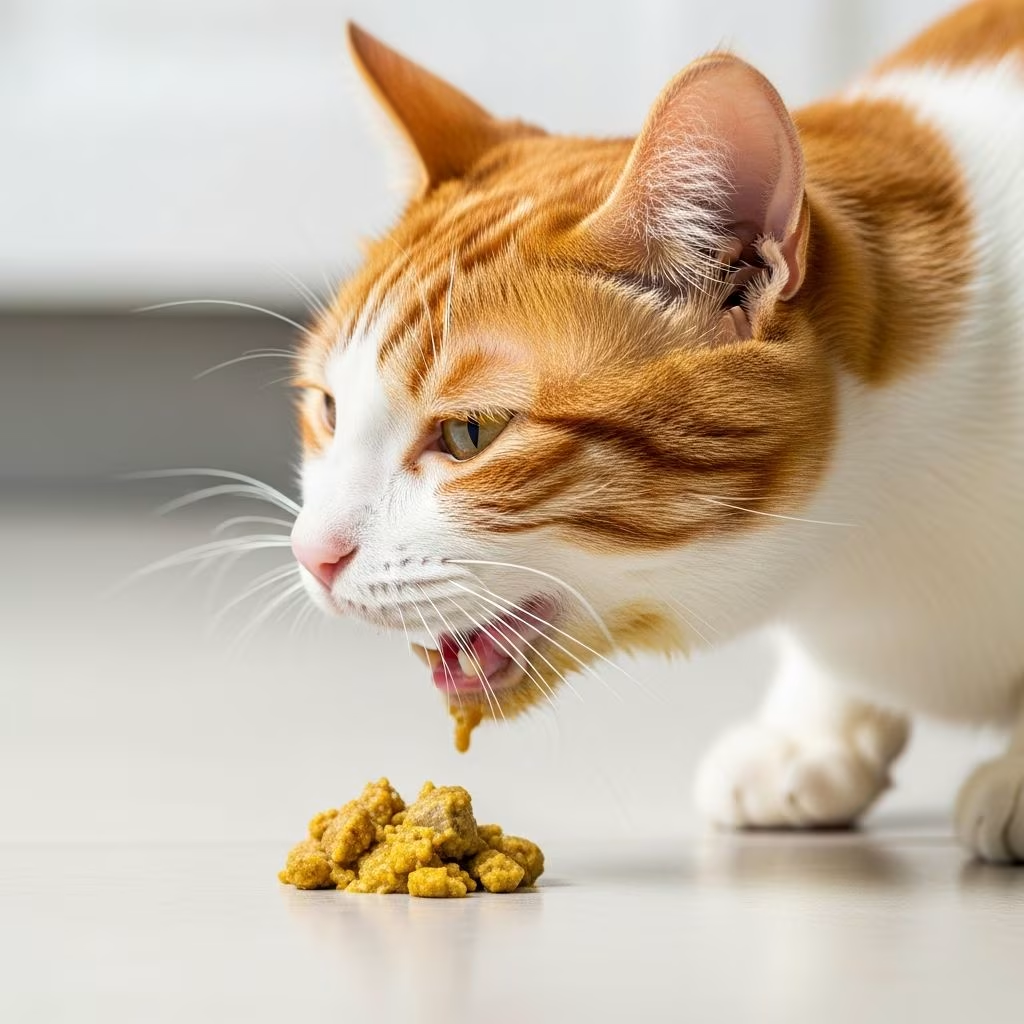
Understanding Cat Vomiting: When Undigested Food Appears
If you’ve noticed your cat vomiting undigested food, you’re not alone. This is a common concern for cat owners, and while the occasional vomiting episode can be normal, frequent regurgitation of undigested food warrants attention. When you see undigested food in your cat’s vomit, it indicates the food never properly left the stomach, suggesting an issue with either digestion or stomach function. Understanding the underlying causes is essential for determining whether the problem requires immediate veterinary care or can be managed with dietary adjustments.
Common Diet-Related Causes of Vomiting
Many cases of cats vomiting undigested food stem from dietary factors rather than serious health conditions. These diet-related issues are often the easiest to identify and correct, making them an important first consideration when addressing your cat’s vomiting.
Eating Too Quickly or Large Portions
Overeating and rapid consumption are among the most common culprits behind undigested food vomiting. Cats have relatively small stomachs, and consuming large quantities of food at once can overwhelm their digestive system, causing the food to be regurgitated shortly after eating. This problem is especially common in multi-cat households where cats may feel rushed to finish their meals.
To address this issue, divide your cat’s daily food intake into smaller, more frequent meals. Smaller portions are easier for cats to digest and reduce the risk of vomiting. Automatic feeders can be particularly helpful for managing meal sizes and maintaining consistent feeding schedules. If you have multiple cats, feed them separately to prevent competition-driven rapid eating.
Sudden Diet Changes
Cats can be sensitive to dietary transitions. Introducing a new type of food without a gradual adjustment period may trigger vomiting as their digestive system struggles to process the unfamiliar ingredients. When changing your cat’s diet, transition gradually over 7-10 days, mixing increasing amounts of the new food with the old food to allow their digestive system to adapt.
Food Allergies and Intolerances
Food allergies and intolerances can cause cats to vomit undigested food frequently. When a cat’s immune system mistakenly identifies certain food proteins as harmful, it triggers an allergic reaction that leads to gastrointestinal discomfort and vomiting soon after eating.
Common allergens include beef, dairy, chicken, and fish. If you suspect a food allergy, work with your veterinarian to conduct an elimination diet, where potential allergens are removed and then reintroduced one at a time to pinpoint the culprit. Many cats benefit from a diet formulated specifically for sensitive stomachs or limited-ingredient prescription diets that are easier to digest and contain gentler ingredients.
Consuming Spoiled or Inappropriate Food
Cats have sensitive digestive systems, and consuming food that is past its prime or contaminated with bacteria can lead to gastrointestinal distress. Always check expiration dates on commercial cat food and store it in a cool, dry place. Refrigerated wet food is only good for 24 hours, and cold food from the refrigerator should be warmed to room temperature before serving. Additionally, avoid serving wet food that has been left out at room temperature for extended periods.
If your cat shows signs of food poisoning, such as frequent vomiting or lethargy, seek veterinary care immediately. The vet can provide treatment to alleviate symptoms and prevent dehydration.
Health-Related Causes of Undigested Food Vomiting
Beyond dietary issues, several health conditions can cause cats to vomit undigested food. Some of these conditions are minor and easily treatable, while others require more intensive medical intervention.
Gastritis: Inflammation of the Stomach Lining
Gastritis, or inflammation of the stomach lining, is a common cause of vomiting in cats. This condition can result from various factors, including infections, certain medications, or ingesting toxic substances. Gastritis causes irritation and discomfort in the stomach, leading to vomiting soon after eating.
Veterinary diagnosis and treatment are crucial for managing gastritis. Treatment may include medications to reduce stomach inflammation and pain, along with dietary changes. Feeding your cat easily digestible, bland food can help soothe their stomach and reduce vomiting episodes. Preventing gastritis involves monitoring your cat’s environment and diet, avoiding exposure to toxic substances, and providing a balanced diet. Regular veterinary check-ups can detect and address potential issues before they become severe.
Gastrointestinal Infections
Gastrointestinal infections caused by bacteria, viruses, or parasites can cause cats to vomit undigested food. These infections lead to inflammation and irritation in the digestive tract, with symptoms including vomiting, diarrhea, and loss of appetite.
Veterinary diagnosis and treatment are essential for managing these infections. Treatment may involve antibiotics, antiparasitic medications, or supportive care to alleviate symptoms. Providing a bland diet and ensuring your cat stays hydrated can help them recover more quickly. Preventing gastrointestinal infections involves maintaining good hygiene and avoiding exposure to contaminated food or water. Regular veterinary check-ups can detect and treat infections early.
Other Serious Health Conditions
More serious conditions can also cause vomiting of undigested food, including:
- Pancreatitis: Inflammation of the pancreas can cause digestive upset and vomiting
- Inflammatory Bowel Disease (IBD): Chronic inflammation of the digestive tract
- Intestinal Obstruction: Blocked passage in the digestive tract
- Kidney Disease: A common condition in older cats that can trigger vomiting
- Hyperthyroidism: An overactive thyroid gland affecting metabolism
- Cancer: Various types can affect the digestive system
- Hairballs: One of the most common causes, resulting in a backed-up GI tract
- Worms and Parasites: Internal parasites can cause digestive disruption
Environmental and Behavioral Factors
Stress and Anxiety
Stress is another significant factor that can cause cats to vomit undigested food. Changes in the environment, such as moving to a new home or the introduction of a new pet, can trigger anxiety and stress in cats. This stress can affect their digestive system, leading to vomiting after meals. Providing a calm, stable environment and using pheromone diffusers can help reduce stress-related vomiting.
Motion Sickness
Motion sickness can cause cats to vomit undigested food during car rides or travel. The movement can upset their inner ear balance, leading to nausea and vomiting, especially in cats not accustomed to traveling.
Preventing motion sickness involves acclimating your cat to travel gradually. Short, frequent car rides can help them get used to the movement. Using carriers and ensuring your cat is comfortable and secure during travel can also reduce stress and motion sickness.
Physical Activity After Eating
In kittens especially, too much exercise directly after eating can result in vomiting. When kittens dash off to play after a big meal, the activity can sometimes trigger regurgitation. If you have more than one kitten, feeding them separately or giving them smaller meals usually takes care of the problem.
When to See a Veterinarian
While occasional vomiting can be normal in cats, frequent episodes warrant veterinary attention. You should contact your veterinarian immediately if your cat:
- Vomits more than once or twice per week
- Shows signs of lethargy or behavioral changes
- Refuses to eat or drink
- Shows signs of abdominal pain
- Has blood in the vomit
- Is losing weight despite eating
- Has symptoms of food poisoning
Your veterinarian can perform diagnostic tests, such as bloodwork, imaging, or endoscopy, to determine the underlying cause of vomiting and recommend appropriate treatment.
Treatment Options for Cat Vomiting
Dietary Management
One of the most important treatments for both chronic and acute vomiting is dietary change. For acute cases, this might involve a temporary change to an easily digestible diet, such as:
- Royal Canin Gastrointestinal High Energy cat food
- Hill’s ID cat food
- Bland human food such as meat-flavored baby food (with no onion or garlic powder)
- Boiled chicken
Keep in mind that chicken and baby foods are not complete diets for cats and should only be used for a few days. For chronic vomiting, dietary change can be both therapeutic and diagnostic. If the new food controls the vomiting, it indicates a dietary intolerance, allergy, or possibly low-grade inflammatory bowel disease. Keep your cat on a new prescription diet for several weeks to determine its effectiveness.
Anti-Vomiting Medications
A common therapy for most types of vomiting is giving an anti-emetic (anti-vomiting) medication, which can help stop the vomiting and decrease fluid loss. These medicines can also help relieve abdominal discomfort and make the cat more prone to eating. Additionally, stomach protectants such as Pepcid or sucralfate might be indicated, though their helpfulness is debated. If anti-emetics don’t provide adequate pain control, a pain medication might be added to your cat’s treatment plan.
Supportive Care
For acute vomiting episodes, temporarily withhold food to allow your cat’s stomach to settle. Contact your veterinary clinic for instructions on when to resume feeding and what foods might be gentle on their digestive system. When reintroducing food, offer small amounts of bland options as recommended by your veterinarian.
Ensuring proper hydration is crucial during vomiting episodes, as cats can become dehydrated quickly. Pet water fountains and wet food can encourage water intake. Your veterinarian may also recommend IV fluids in severe cases.
Treatment of Underlying Conditions
Cats diagnosed with underlying health issues, such as kidney disease or hyperthyroidism, can be started on appropriate medications to resolve the vomiting. Once the underlying condition is addressed, vomiting often improves significantly.
Distinguishing Vomiting from Regurgitation
It’s important to understand that foamy vomit with undigested food could indicate regurgitation rather than true vomiting. White foam may appear when a cat has an empty stomach. The distinction matters because regurgitation and vomiting have different causes and require different treatment approaches. Your veterinarian can help differentiate between the two during a clinical examination.
Frequently Asked Questions
Q: Is it normal for cats to vomit undigested food occasionally?
A: Occasional, isolated bouts of vomiting in cats are generally normal, but frequent vomiting should prompt veterinary evaluation. If your cat vomits more than once or twice per week, contact your veterinarian.
Q: How long should I wait before introducing a new food to my cat?
A: Allow 7-10 days for a gradual transition when changing your cat’s diet. Mix increasing amounts of the new food with the old food to allow their digestive system to adapt.
Q: What home remedies can help with cat vomiting?
A: Home solutions include encouraging water intake with pet fountains, offering wet food, temporarily withholding food to allow the stomach to settle, and providing small portions of bland food when reintroducing meals.
Q: Can stress cause cats to vomit?
A: Yes, stress and anxiety from environmental changes can affect your cat’s digestive system and lead to vomiting. Providing a calm, stable environment can help reduce stress-related episodes.
Q: How long should my cat stay on a prescription diet for vomiting?
A: Keep your cat on a new prescription diet for several weeks to determine its effectiveness in controlling vomiting. Work closely with your veterinarian to monitor progress.
Prevention Tips for Cat Owners
- Feed cats smaller, frequent meals rather than one large meal
- Use automatic feeders to maintain consistent portion control
- Feed multiple cats separately to prevent competition
- Transition to new foods gradually over 7-10 days
- Ensure cat food is fresh and properly stored
- Serve wet food at room temperature
- Minimize stress through a stable home environment
- Provide regular grooming to prevent hairballs
- Schedule regular veterinary check-ups
- Keep toxic plants and substances out of reach
Conclusion
Cat vomiting of undigested food can stem from dietary issues, health conditions, or environmental factors. While many causes are manageable with dietary adjustments and supportive care, persistent vomiting requires professional veterinary evaluation. By working closely with your veterinarian, monitoring your cat’s diet, and creating a stress-free environment, you can effectively address this common concern and maintain your feline friend’s digestive health.
References
- 11 Reasons Why A Cat Keeps Throwing Up Undigested Food — Dr. Tim’s Pet Food. Accessed January 2026. https://drtims.com/blogs/news/11-reasons-why-a-cat-keeps-throwing-up-undigested-food
- Why Is My Cat Throwing Up Undigested Food — Lake City Animal Hospital. Accessed January 2026. https://lakecityanimalhospital.com/blog/why-is-my-cat-throwing-up-undigested-food/
- Is Your Cat Vomiting? A Complete Guide to Causes and Care — Best Friends Animal Society. Accessed January 2026. https://bestfriends.org/pet-care-resources/cat-throwing-causes-when-see-vet-treatment
- Cat Throwing Up: Causes & Signs of Serious Issues — Purina. Accessed January 2026. https://www.purina.com/articles/cat/health/digestion/why-is-my-cat-throwing-up
- Cat Vomiting: Causes, Types, and What to Do — PetMD. Accessed January 2026. https://www.petmd.com/cat/symptoms/cat-vomiting-causes-and-types
- Cat Throwing Up: Signs, Urgent Steps, and When It’s an Emergency — Golden State Veterinary Surgical Society. Accessed January 2026. https://gsvs.org/blog/cat-throwing-up-emergency/
- Cat Vomiting Explained: Causes and Effective Treatments — Mission Road Animal Clinic. Accessed January 2026. https://www.missionroadanimalclinic.com/cat-vomiting-causes-and-treatments-guide/
- Vomiting in Cats – The Veterinary Expert Pet Health — The Veterinary Expert. Accessed January 2026. https://www.theveterinaryexpert.com/feline-medical-problems/vomiting-in-cats/



