

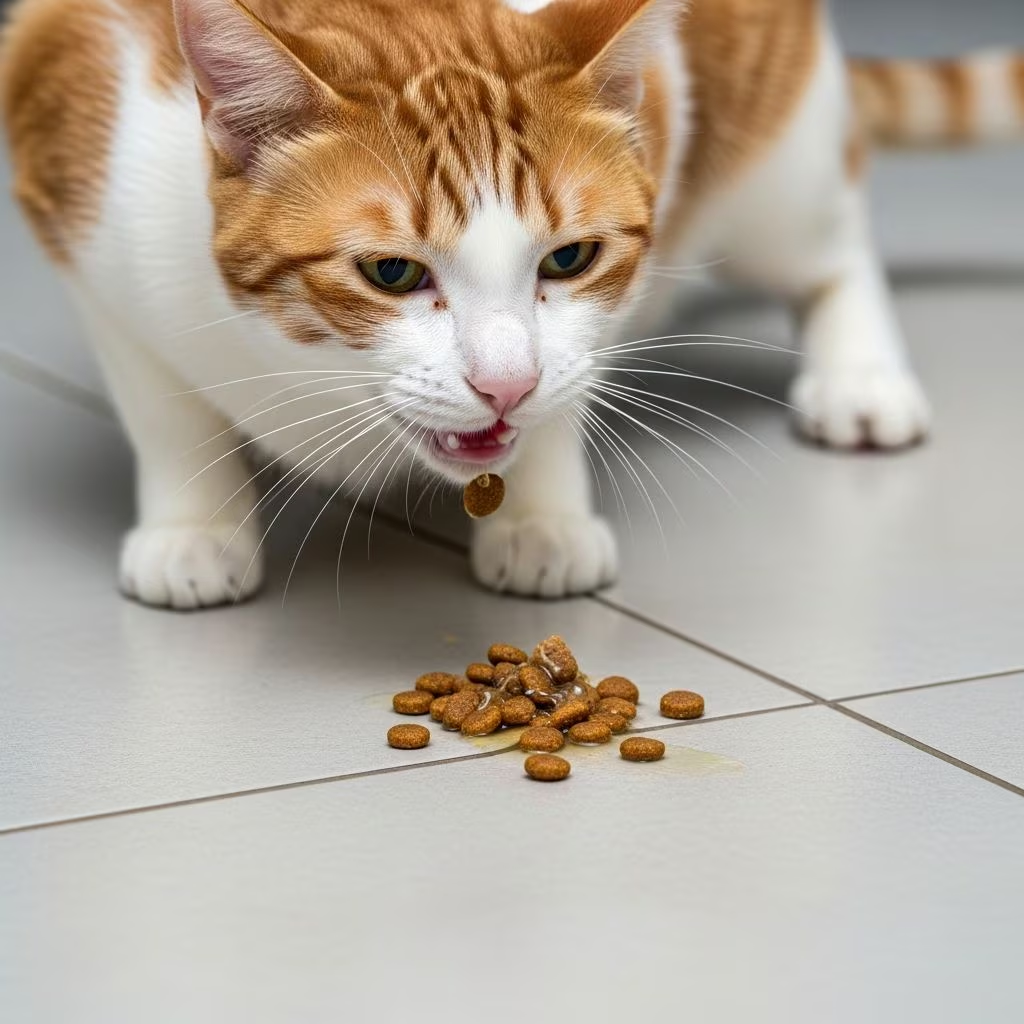
When your cat brings up food shortly after eating, it can be worrying. This issue, often involving undigested food, points to problems in the upper digestive process rather than full stomach rejection. Unlike true vomiting with bile or foam, undigested expulsion usually happens passively and quickly. Understanding the difference between regurgitation and vomiting helps pinpoint solutions.
Regurgitation vs. Vomiting: Key Differences
Regurgitation is effortless, with food appearing tubular and unchanged, occurring soon after meals due to esophageal or stomach issues. Vomiting involves more effort, stomach contractions, and partially digested material. Recognizing these aids in deciding next steps.
- Regurgitation signs: Passive, undigested food, no retching.
- Vomiting signs: Active heaving, bile or foam present.
Everyday Reasons for Undigested Food Expulsion
Many cases stem from benign habits. Cats’ small stomachs handle limited volumes efficiently.
Rapid Eating Habits
Cats gulping food swallow air, causing stomach distension and quick expulsion. This is common in multi-cat homes or with competitive feeders. Slow feeders or puzzle toys extend meal times, reducing air intake.
Overfeeding or Large Portions
Big meals overwhelm the stomach, leading to regurgitation. Split daily intake into 4-6 smaller servings matching your cat’s needs.
Hairballs and Grooming
Excess grooming builds hairballs blocking the tract, forcing food backup. Regular brushing and hairball remedies help.
Nutritional Triggers Behind the Problem
Diet plays a huge role in digestive health. Inappropriate foods irritate the sensitive feline gut.
Food Sensitivities and Allergies
Proteins like beef, dairy, fish, or chicken trigger immune responses, causing quick vomiting. Elimination diets identify culprits by removing suspects then reintroducing.
Spoiled or Inappropriate Foods
Bacterial growth in old food or human scraps like fatty meats, grains, dairy, or toxic items (onions, garlic, grapes, raw eggs/meat) provoke rejection. Stick to fresh, cat-formulated kibble or wet food.
| Vomit Appearance | Color/Texture | Possible Cause |
|---|---|---|
| Foamy | White | Stomach lining inflammation |
| Clumpy | Green | Intestinal issues |
| Brown mush | Brown | Allergies or blockages |
| Liquid | Clear | Excess water intake |
This table summarizes visual clues for faster diagnosis.
Stress and Environmental Factors
Anxiety disrupts digestion. New pets, moves, or routine changes heighten stomach sensitivity, leading to post-meal expulsion. Create calm feeding zones away from stressors. Pheromone diffusers soothe nerves.
Motion Sickness During Travel
Car rides unsettle the inner ear, causing nausea and regurgitation. Gradual exposure via short trips builds tolerance.
Medical Conditions to Rule Out
Persistent cases signal deeper issues. Monitor frequency and accompaniments.
Gastritis and Infections
Stomach lining inflammation from bacteria, viruses, parasites, or toxins causes irritation and undigested vomiting. Diarrhea or lethargy often accompanies.
Esophageal Disorders
Esophagitis or motility problems hinder food passage, leading to spasms and backup.
Systemic Diseases in Seniors
Hyperthyroidism, kidney disease, diabetes, or IBD slow digestion. Elderly cats show weight loss, pale gums, or pain.
- Pale gums
- Low temperature
- Appetite/weight drop
- Abdominal tenderness
- Multiple vomits
- Food refusal over 12 hours
When to Contact a Veterinarian Urgently
Isolated incidents may resolve, but seek help if vomiting exceeds twice weekly, includes blood/worms, or pairs with dehydration signs like sunken eyes or dry gums. Chronic cases risk malnutrition.
Expect diagnostics: bloodwork, imaging, or endoscopy for obstructions/parasites.
Practical Prevention Strategies
Proactive steps minimize recurrence.
- Use slow-feed bowls or scatter kibble.
- Feed age-appropriate, sensitive-stomach formulas.
- Brush daily to curb hairballs.
- Maintain deworming schedules.
- Elevate food bowls for short-nosed breeds.
- Monitor for stress and provide hiding spots.
FAQs: Common Questions Answered
Is cat regurgitation dangerous?
Occasional yes, but frequent risks aspiration pneumonia or nutrition gaps. Vet evaluation clarifies.
How long after eating is normal for regurgitation?
Within 30 minutes suggests mechanical issues; later points to digestion problems.
Can diet changes fix this alone?
Often for sensitivities, but medical causes need professional input.
What home remedies soothe upset stomachs?
Small bland meals (boiled chicken/rice temporarily), but consult vet first.
Why do kittens regurgitate more?
Small stomachs, rapid growth, and gulping habits amplify risks.
Long-Term Management for Chronic Cases
For ongoing issues, vets may prescribe prokinetics for motility, antacids for gastritis, or hypoallergenic diets. Track episodes in a journal noting timing, food, and symptoms for better diagnosis.
Nutrition impacts everything. High-quality, digestible foods with prebiotics support gut flora. Hydration via fountains prevents secondary issues.
In seniors, routine checkups catch diseases early. Weight monitoring flags problems.
References
- Why is my elderly cat vomiting undigested food? — Untamed. 2023. https://untamed.com/blogs/nutrition/elderly-cat-vomiting-undigested-food
- 11 Reasons Why A Cat Keeps Throwing Up Undigested Food — Dr. Tim’s. 2024. https://drtims.com/blogs/news/11-reasons-why-a-cat-keeps-throwing-up-undigested-food
- Why Is My Cat Throwing Up Undigested Food? — Pewaukee Veterinary Service. 2023. https://pewaukeeveterinaryservice.com/blog/why-is-my-cat-throwing-up-undigested-food/
- Why Is My Cat Throwing Up Undigested Food? — Cats.com. 2024. https://cats.com/why-is-my-cat-throwing-up
- Cat Throwing Up: Causes & Signs of Serious Issues — Purina. 2025. https://www.purina.com/articles/cat/health/digestion/why-is-my-cat-throwing-up
- Is Your Cat Vomiting? A Complete Guide to Causes and Care — Best Friends. 2024. https://bestfriends.org/pet-care-resources/cat-throwing-causes-when-see-vet-treatment



