

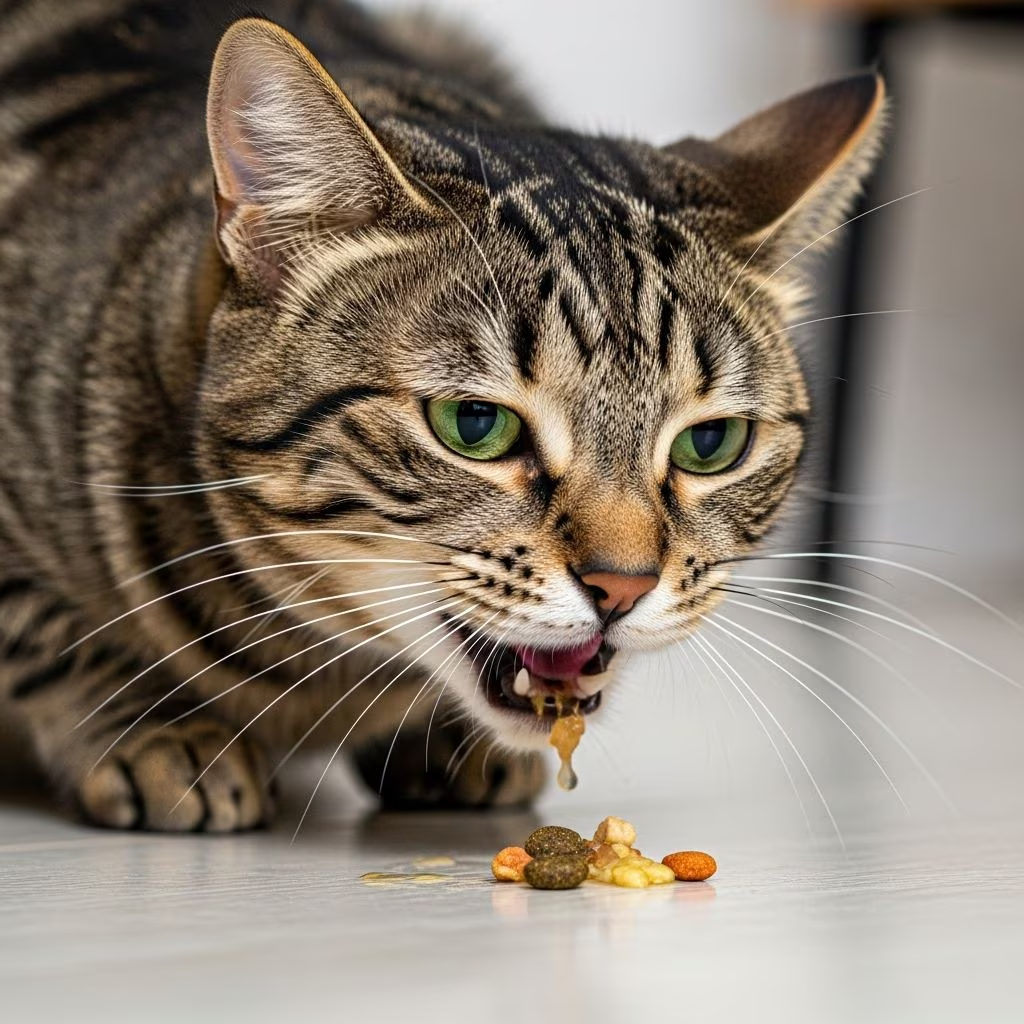
Is Your Cat Vomiting? A Complete Guide to Causes and Care
Cat vomiting is one of the most common reasons pet owners contact their veterinarian. While occasional vomiting may seem like a minor concern, it can indicate anything from a simple dietary upset to a serious underlying health condition. Understanding the difference between acute and chronic vomiting, recognizing the warning signs, and knowing when to seek veterinary care are essential for every cat owner. This comprehensive guide will help you navigate cat vomiting and determine the best course of action for your feline companion.
Acute Versus Chronic Vomiting in Cats
When it comes to cat vomiting, timing and frequency matter significantly in determining the underlying cause and appropriate treatment. Veterinarians classify vomiting into two main categories: acute and chronic vomiting, each with distinct characteristics and implications.
Acute Vomiting
Acute vomiting refers to sudden onset vomiting that occurs for a short period, typically days to a few weeks. This type of vomiting often appears without warning and may be related to something your cat recently ate or a temporary illness. Acute vomiting episodes are frequently self-limiting and may resolve with minimal intervention, though veterinary evaluation is still recommended to rule out serious conditions.
Chronic Vomiting
Chronic vomiting is characterized by persistent vomiting that occurs on and off over weeks, months, or even longer. This ongoing issue typically indicates an underlying condition that requires diagnostic testing and long-term management. Chronic vomiting is more concerning than acute vomiting and often points to conditions such as inflammatory bowel disease, food allergies, or systemic diseases affecting multiple organ systems.
Common Causes of Cat Vomiting
Cat vomiting can result from numerous causes, ranging from benign to life-threatening. Understanding these potential causes can help you provide better information to your veterinarian and improve outcomes for your pet.
Dietary Causes
One of the most common reasons cats vomit involves their diet. Eating too quickly can cause immediate regurgitation shortly after meals. Some cats gulp down their food without proper chewing, leading to stomach upset. Dietary indiscretion, where cats consume spoiled food, garbage, or non-food items, frequently triggers vomiting episodes. Additionally, food allergies or intolerances to specific ingredients like dairy or grains can cause recurring vomiting in sensitive cats. Sudden changes in diet can also upset a cat’s digestive system, resulting in temporary vomiting until their stomach adjusts to the new food.
Hairballs (Trichobezoars)
Hairballs represent one of the most common causes of vomiting in cats, particularly those with long or thick fur. During grooming, cats naturally ingest loose hair which accumulates in their stomach and can form hairballs. When these accumulations become large enough, they irritate the stomach lining and trigger vomiting. Typical signs include gagging, retching, and the expulsion of cylindrical clumps of fur or partially digested food mixed with hair. Regular brushing and the use of hairball-control diets or digestive lubricant gels can significantly reduce the frequency of hairball-related vomiting.
Gastrointestinal Issues
Various gastrointestinal disorders can lead to vomiting in cats. Foreign bodies such as string, toys, or other non-food items can lodge in the stomach or intestines, causing irritation and vomiting. Gastrointestinal ulcers develop from various causes and trigger vomiting along with abdominal discomfort. Inflammatory bowel disease (IBD) involves chronic inflammation of the gastrointestinal tract and typically causes recurring vomiting, diarrhea, and weight loss. Intestinal lymphoma and other forms of cancer can directly cause vomiting or create blockages within the digestive system.
Organ Dysfunction and Systemic Diseases
Vomiting often indicates problems beyond the digestive system. Kidney disease, particularly chronic kidney disease common in senior cats, can cause vomiting along with increased thirst and weight loss. Liver disease affects the body’s ability to process food and toxins, frequently resulting in vomiting. Pancreatitis, inflammation of the pancreas, causes vomiting, abdominal pain, and loss of appetite. Hyperthyroidism (overactive thyroid gland) is another common cause of vomiting in older cats, along with elevated calcium levels and diabetes ketoacidosis.
Infectious Diseases
Various infections can trigger vomiting in cats. Feline infectious peritonitis, feline panleukopenia, and heartworm can all present with vomiting as a primary symptom. These serious conditions require prompt veterinary diagnosis and treatment to prevent life-threatening complications.
Medications and Toxins
Certain medications can cause vomiting as a side effect, including chemotherapy drugs, antibiotics, and anti-inflammatory medications. Environmental toxins also pose a significant risk; lilies are particularly toxic to cats and can cause severe kidney damage and vomiting. Antifreeze, pesticides, and other household chemicals can trigger acute vomiting episodes if ingested.
Neurological and Other Causes
Neurological conditions such as vestibular disease (associated with inner ear problems) and encephalitis (inflammation of the brain lining) can present with vomiting. Certain cancers, whether directly in the digestive tract or elsewhere in the body, may cause vomiting as a direct or indirect effect of the disease process.
Types of Cat Vomit and What They Mean
The appearance of your cat’s vomit can provide valuable diagnostic clues about the underlying cause. Different colors, textures, and compositions indicate different potential issues.
Clear Liquid or Water
Vomiting clear liquid typically represents the stomach’s fluid contents rather than food. This can occur if your cat vomited after their stomach had already emptied, or if they consumed excessive amounts of water before vomiting. While usually not concerning on its own, persistent clear liquid vomiting warrants veterinary evaluation.
Yellow or Bile-Colored Vomit
Yellow or greenish vomit indicates the presence of bile, suggesting the vomiting is occurring when the stomach is empty or nearly empty. This pattern often suggests bilious vomiting syndrome or more serious gastrointestinal issues requiring professional evaluation.
Food or Partially Digested Material
Vomit containing recognizable food or partially digested material suggests the vomiting occurred shortly after eating, potentially indicating eating too quickly, food sensitivity, or early signs of gastrointestinal disease.
Blood or Bloody Vomit
The presence of blood in vomit always warrants immediate veterinary attention, as it indicates damage to the gastrointestinal tract from ulcers, severe inflammation, or other serious conditions.
Worms
If your cat vomits a worm, it is important to bring this to your veterinarian for proper identification and treatment. Roundworms are the most commonly observed worms in cat vomit. This finding indicates an active parasitic infection requiring deworming and preventive treatment.
Emergency Warning Signs: When to Seek Immediate Care
While not all vomiting requires emergency veterinary attention, certain warning signs indicate your cat needs immediate care. Contact your veterinarian right away or visit an emergency clinic if your cat displays any of these symptoms:
– Vomiting blood or material that resembles coffee grounds- Severe abdominal pain or distension- Inability to keep any food or water down- Signs of severe dehydration (lethargy, dry mucous membranes, sunken eyes)- Vomiting accompanied by diarrhea and lethargy- Ingestion of a known toxin like lilies or antifreeze- Suspected ingestion of a foreign object- Vomiting in combination with other serious symptoms like difficulty breathing or seizures
These warning signs may indicate acute emergencies such as foreign body obstruction, severe dehydration, toxin ingestion, or life-threatening systemic diseases requiring immediate intervention.
When to Call Your Veterinarian
Beyond emergency situations, several circumstances warrant scheduling a veterinary appointment for your vomiting cat:
– Vomiting occurs more than once or twice per month- Chronic vomiting lasting more than one or two weeks- Vomiting accompanied by other symptoms like weight loss, diarrhea, or appetite changes- Your cat seems uncomfortable or in pain- You’ve noticed changes in your cat’s behavior or activity level- Your cat has a known medical condition that could cause vomiting
Your veterinarian can perform appropriate diagnostic testing to identify the underlying cause and recommend targeted treatment options.
Diagnostic Approach to Feline Vomiting
When you bring your vomiting cat to the veterinarian, they will conduct a thorough evaluation to identify the cause. This typically begins with a detailed history about when vomiting started, frequency, and any associated symptoms. Your veterinarian will perform a physical examination and may recommend various diagnostic tests depending on their initial findings.
Common diagnostic tools include blood work to evaluate organ function and check for systemic diseases, urinalysis to assess kidney and urinary tract health, fecal analysis to detect parasites, and imaging studies such as radiographs or ultrasound to visualize the digestive tract and other abdominal organs. In some cases, more advanced diagnostics like endoscopy or biopsy may be necessary to diagnose conditions such as inflammatory bowel disease or cancer.
Treatment Options for Vomiting Cats
Treatment for cat vomiting depends entirely on the underlying cause identified through diagnostic evaluation. A multifaceted approach often proves most effective.
Fluid Therapy
Some form of fluid therapy is recommended for almost every cause of vomiting. If your cat is mildly dehydrated, subcutaneous fluids (administered under the skin) may suffice. However, very dehydrated or weak cats typically require intravenous (IV) fluid therapy. This involves placing a catheter in a vein and administering fluids directly into the bloodstream, allowing more fluids to be given throughout the day. While more expensive and requiring hospitalization, IV fluids are significantly more effective in severely dehydrated patients, as subcutaneous fluids do not absorb as quickly.
Anti-Vomiting Medication
Anti-emetic (anti-vomiting) medications represent another common therapy for most types of vomiting. These medications help stop the vomiting reflex, decrease fluid loss, relieve abdominal discomfort, and stimulate appetite. Prescription anti-nausea drugs such as maropitant or metoclopramide are commonly prescribed. Stomach protectants like famotidine or omeprazole (antacids) may be indicated in some cases, though their effectiveness remains debated. If anti-emetics alone don’t provide adequate pain control, pain medications can be added to your cat’s treatment plan.
Dietary Changes
For both acute and chronic vomiting, dietary modification represents one of the most important treatments. Cats with acute vomiting benefit from temporary transition to an easily digestible diet, such as Royal Canin Gastrointestinal High Energy, Hill’s ID, or bland human foods like meat-flavored baby food (without onion or garlic powder) or boiled chicken. Remember that chicken and baby foods are not complete diets and should only be used temporarily for a few days.
For chronic vomiting, dietary change serves both therapeutic and diagnostic purposes. Your veterinarian may recommend prescription gastrointestinal diets formulated to support digestive health, elimination diets to identify food sensitivities, or specialized diets addressing underlying conditions like kidney or liver disease.
Medication for Underlying Conditions
Once the cause of vomiting is identified, specific medications may be prescribed to address the underlying condition. Antibiotics treat bacterial infections, deworming medications eliminate parasitic infestations, and corticosteroids like prednisone manage inflammatory conditions such as inflammatory bowel disease. Prednisone requires proper diagnostic confirmation before use, as it carries significant side effects including increased thirst and urination, immune system suppression, and muscle weakness.
Surgery
Surgical intervention becomes necessary in cases where foreign bodies obstruct the digestive tract or tumors require removal. Early diagnosis of foreign body obstruction improves surgical outcomes and reduces complications.
Supportive Care and Long-Term Management
Long-term management of chronic vomiting often involves prescription diets, weight management, stress reduction, and addressing any secondary conditions. Regular monitoring through follow-up veterinary visits ensures treatment effectiveness and allows for adjustments as needed.
Treating Mild Cases at Home
Cats with mild cases of vomiting can often be managed on an outpatient basis with appropriate supportive care. This typically involves fluids to prevent dehydration, a bland diet to calm the digestive system, and prescribed medications as recommended by your veterinarian. However, even mild vomiting should be evaluated by a professional to rule out serious underlying conditions.
Frequently Asked Questions About Cat Vomiting
Q: Is cat vomiting ever normal?
A: While occasional vomiting can occur in healthy cats, regular vomiting is never truly normal and warrants veterinary evaluation. Frequent vomiting indicates an underlying issue requiring professional assessment and treatment.
Q: How can I tell if my cat is vomiting versus regurgitating?
A: Vomiting involves active heaving and abdominal contractions, while regurgitation is more passive. Regurgitated material often appears tubular or in the shape of the esophagus. Your veterinarian can help distinguish between these two conditions during examination.
Q: Should I change my cat’s food if they’re vomiting?
A: Dietary changes can help, but only after veterinary evaluation. Your veterinarian may recommend a bland diet for acute vomiting or a prescription diet for chronic cases. Sudden food changes without professional guidance can sometimes worsen digestive upset.
Q: Can stress cause my cat to vomit?
A: Yes, stress can contribute to vomiting in some cats, particularly those prone to inflammatory bowel disease. Minimizing stressful situations and providing a calm environment can help reduce vomiting frequency in stress-sensitive cats.
Q: How much does it cost to treat cat vomiting?
A: Costs vary widely depending on the underlying cause and required diagnostics and treatment. Mild cases managed with dietary changes and oral medications cost significantly less than hospitalized cases requiring IV fluids and advanced imaging or surgery.
Q: When should I consider my cat’s vomiting an emergency?
A: Seek emergency care for bloody vomit, inability to keep down any fluids, severe abdominal pain, toxin ingestion, signs of severe dehydration, or vomiting combined with other serious symptoms. When in doubt, contact your veterinarian for guidance.
References
- Vomiting in Cats — VCA Animal Hospitals. 2024. https://vcahospitals.com/know-your-pet/vomiting-in-cats
- Vomiting in Cats – Cat Owners — Merck Veterinary Manual. 2024. https://www.merckvetmanual.com/cat-owners/digestive-disorders-of-cats/vomiting-in-cats
- Vomiting — Cornell University College of Veterinary Medicine. 2024. https://www.vet.cornell.edu/departments-centers-and-institutes/cornell-feline-health-center/health-information/feline-health-topics/vomiting
- Cat Vomiting: Causes, Types, and What to Do — PetMD. 2024. https://www.petmd.com/cat/symptoms/cat-vomiting-causes-and-types
- Types of Cat Vomit & What it Means — Purina. 2024. https://www.purina.com/articles/cat/health/digestion/types-of-cat-vomit



