
Cat Vomiting Complete Guide: Causes, Signs, Solutions
Understand why cats vomit, spot emergencies, and learn effective treatments for healthy feline digestion.
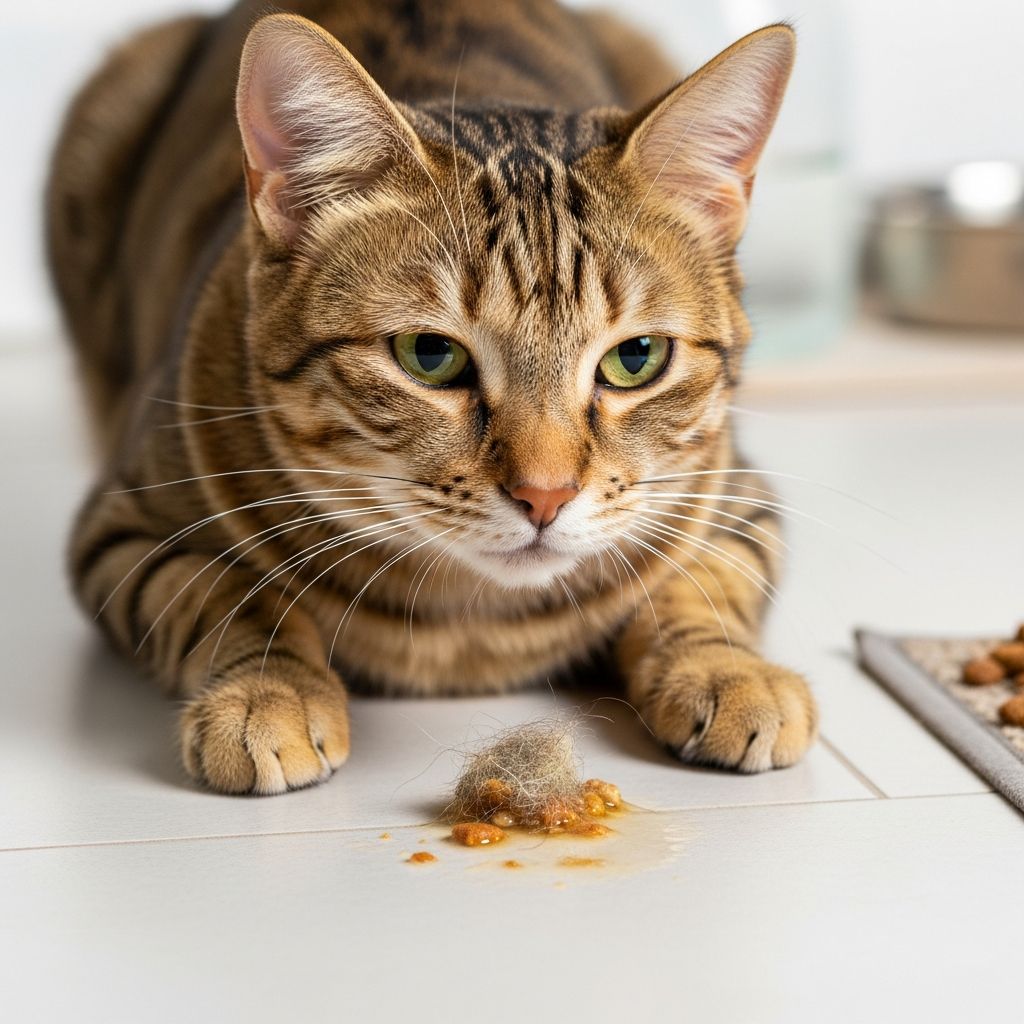
Vomiting in cats is a frequent concern for pet owners, ranging from occasional episodes due to minor irritants to indicators of underlying health problems. Recognizing the difference between harmless regurgitation and problematic vomiting can prevent complications and ensure timely care.
Distinguishing Vomiting from Regurgitation
Many owners confuse vomiting with regurgitation, but they differ significantly. Vomiting involves active abdominal contractions, producing forceful expulsion of stomach contents, often with bile or foam. Regurgitation is passive, where undigested food emerges shortly after eating without retching. Hairballs typically fall into regurgitation, as cats passively expel fur mats from the esophagus or stomach.
- Vomiting traits: Forceful, may include partially digested food, foam, or liquid; often follows nausea signs like lip licking.
- Regurgitation traits: Effortless, tubular food shape; common post-meals in fast eaters or those with esophageal issues.
Understanding this distinction aids in assessing severity.
Primary Causes of Vomiting in Cats
Causes span dietary mishaps to systemic diseases. Acute vomiting arises suddenly from infections or toxins, while chronic cases link to ongoing conditions.
Dietary and Behavioral Triggers
Cats often vomit from eating too fast, scavenging spoiled food, or abrupt diet shifts. Food intolerances or allergies provoke reactions soon after meals, with symptoms like diarrhea. Toxins such as lilies or antifreeze demand immediate action.
Gastrointestinal Blockages and Irritations
Foreign objects like string or toys cause obstructions, leading to persistent vomiting, especially in kittens. Gastritis, ulcers, or inflammatory bowel disease (IBD) inflame the tract, causing recurrent issues.
Systemic and Organ-Related Issues
Kidney disease, hyperthyroidism, pancreatitis, liver failure, or cancer frequently manifest as vomiting. Parasites, bacterial/viral infections, and medications like chemotherapy also contribute. Chronic vomiting in older cats often signals hyperthyroidism or renal problems.
| Cause Category | Examples | Common Signs |
|---|---|---|
| Dietary | Fast eating, allergies | Post-meal vomiting, refusal to eat |
| Obstructions | String, toys | Repeated forceful vomiting, lethargy |
| Systemic Diseases | Kidney, thyroid | Weight loss, increased thirst |
| Infections/Parasites | Worms, viruses | Diarrhea, visible worms |
Identifying Vomiting Types by Appearance
Vomit content offers clues. Undigested food suggests regurgitation; bile-tinged or foamy indicates gastric irritation. Blood signals ulcers or trauma; clear liquid may mean excess water intake or reflux.
- Yellow/foamy: Empty stomach, bilious reflux.
- Bloody: Emergency; possible clotting issues.
- With worms: Parasite infestation needing deworming.
When Vomiting Becomes an Emergency
Seek veterinary care immediately if vomiting persists beyond 24 hours, occurs multiple times daily, or accompanies blood, lethargy, dehydration, or weight loss. Cats with pre-existing conditions like diabetes or kidney disease risk rapid decline. Signs of dehydration include tacky gums, sunken eyes, or skin tenting.
Multiple episodes in hours, especially with weakness, warrant urgent visits. Visible worms require household-wide treatment.
Diagnostic Approaches for Accurate Treatment
Vets start with history and physical exams, followed by bloodwork, X-rays, ultrasound, or fecal tests to pinpoint causes. For chronic cases, endoscopy or biopsies may diagnose IBD or cancer. Early diagnostics improve outcomes.
Treatment Strategies for Vomiting Cats
Tailored to the cause, treatments blend supportive care and targeted therapies.
Supportive Fluid Therapy
Dehydration is common; IV fluids in hospitals restore balance quickly for severe cases, while subcutaneous fluids suit milder ones. Nearly all vomiting cats benefit.
Medications to Control Nausea
Antiemetics like maropitant or metoclopramide halt vomiting cycles, easing discomfort. Antacids (famotidine), pain relievers, or corticosteroids (prednisone for IBD) address specifics, but require vet oversight due to side effects like increased thirst.
Dietary Modifications
Withhold food 12-24 hours, then introduce bland diets like boiled chicken (short-term) or prescription GI formulas (e.g., Hill’s i/d, Royal Canin Gastrointestinal). Chronic cases may need hydrolyzed or limited-ingredient foods for allergies. Trial diets for weeks to assess efficacy.
Addressing Underlying Conditions
Dewormers for parasites, antibiotics for infections, or thyroid meds for hyperthyroidism. Surgery for obstructions.
Home Management and Prevention Tips
For mild, isolated vomiting, fast the cat 2-3 hours, offer ice cubes, then small bland meals. Prevent by slowing eaters with puzzle feeders, regular deworming, and toxin-proof homes. Grooming reduces hairballs; litter scooping curbs reinfection.
- Slow feeding bowls to prevent gulping.
- Hairball remedies or brushing routines.
- Consistent, high-quality diet without changes.
Long-Term Monitoring and Prognosis
Track frequency, vomit traits, appetite, and weight. Chronic vomiting needs ongoing management; many cats thrive with diet tweaks or meds. Prognosis excels for acute causes but varies with diseases like cancer.
Frequently Asked Questions (FAQs)
Is occasional vomiting normal in cats?
Yes, hairballs or mild indigestion cause 1-2 episodes monthly, but more warrants checks.
How long before vet for cat vomiting?
24 hours for healthy cats; immediately if frequent, bloody, or with other symptoms.
Can I treat vomiting at home?
Mild cases yes, with fasting and bland food; severe no—vet required.
What foods help vomiting cats?
Prescription GI diets or temporary boiled chicken/rice; avoid onions/garlic.
Does stress cause cat vomiting?
Yes, indirectly via appetite changes or gastritis.
References
- Is Your Cat Vomiting? A Complete Guide to Causes and Care — Best Friends Animal Society. 2023. https://bestfriends.org/pet-care-resources/cat-throwing-causes-when-see-vet-treatment
- Why Is My Cat Vomiting? Common Causes and When to Worry — Gardens Animal Hospital. 2024. https://www.gardensanimalhospital.com/why-is-my-cat-vomiting/
- Cat Vomiting: Causes, Types, and What to Do — PetMD. 2025-02-10. https://www.petmd.com/cat/symptoms/cat-vomiting-causes-and-types
- Vomiting in Cats — Merck Veterinary Manual. 2024. https://www.merckvetmanual.com/cat-owners/digestive-disorders-of-cats/vomiting-in-cats
- Mechanisms, causes, investigation and management of vomiting in the domestic cat — PMC (PubMed Central). 2024. https://pmc.ncbi.nlm.nih.gov/articles/PMC10816764/
- Cat Vomiting: What to Do and When It Requires Emergency Care — GSVS. 2023. https://gsvs.org/blog/cat-vomiting-emergency-care/
Similar Articles








Read full bio of medha deb




