
Cat Vomiting and Diarrhea Guide
Understand causes, symptoms, and treatments for cat vomiting and diarrhea to keep your feline healthy.
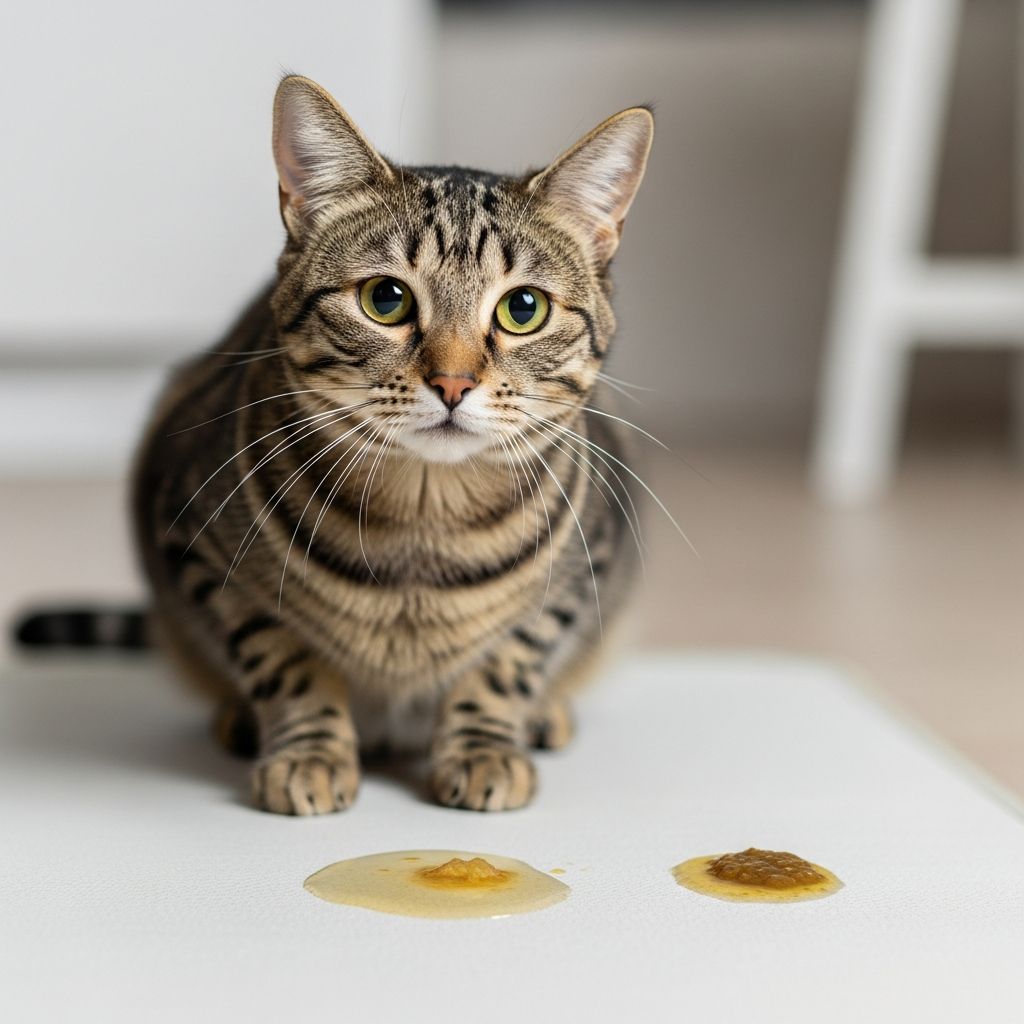
Cat owners frequently encounter episodes where their pets experience vomiting or diarrhea, which can range from minor digestive upsets to indicators of serious health problems. These symptoms often signal that something is disrupting the normal function of the gastrointestinal tract, leading to discomfort and potential dehydration if not addressed promptly. Recognizing the underlying causes is crucial for timely intervention, whether through home care or professional veterinary assistance.
Recognizing the Signs of Trouble in Your Cat
Observing your cat closely during these episodes provides vital clues. Vomiting might appear as partially digested food, foamy bile, or clear liquid, while diarrhea can vary from loose stools to watery or bloody discharges. Accompanying signs like lethargy, reduced appetite, excessive thirst, or abdominal pain amplify the urgency. For instance, if vomiting occurs right after meals, it could relate to eating habits, but persistent occurrences with weight loss suggest deeper issues.
- Foamy yellow vomit: Often from an empty stomach, common in cats who skip meals.
- Bloody diarrhea: Indicates possible inflammation or injury in the lower gut.
- Undigested food in vomit: May point to rapid eating or partial blockages.
Monitoring frequency and duration helps differentiate occasional hiccups from chronic conditions. A single incident might resolve with rest, but repeated bouts within 24 hours warrant attention.
Everyday Triggers: Diet and Eating Habits
Dietary factors top the list of common culprits for feline tummy troubles. Cats possess sensitive digestive systems, making them prone to reactions from abrupt changes or inappropriate foods. Switching brands without a gradual transition—ideally over 7-10 days—can overwhelm the gut, resulting in loose stools and regurgitation.
Other dietary offenders include spoiled kibble, forgotten canned food left out too long, or scavenging human snacks like dairy, which many cats cannot process due to lactose intolerance. Table scraps, rich in fats or spices, irritate the stomach lining, prompting expulsion.
| Common Dietary Culprits | Symptoms Produced | Prevention Tips |
|---|---|---|
| Sudden food switch | Soft stools, mild vomiting | Gradual mixing over a week |
| Expired or contaminated food | Watery diarrhea, nausea | Check dates, store properly |
| Human foods (e.g., chocolate, onions) | Toxin-related vomiting | Secure trash, no sharing |
Hairballs, amassed from grooming, also contribute by obstructing the stomach, leading to hacking and expulsion of tubular masses. Regular brushing reduces this risk.
Parasites and Infections: Hidden Invaders
Intestinal parasites like roundworms, hookworms, and coccidia thrive in kittens and outdoor cats, causing chronic diarrhea often tinged with blood or mucus. These pests steal nutrients, leading to pot-bellied appearances, poor coat quality, and failure to thrive. Bacterial or viral infections, including panleukopenia in unvaccinated cats, provoke acute gastroenteritis with fever and dehydration.
Protozoal infections such as giardia spread via contaminated water or feces, manifesting as intermittent loose stools. Veterinary fecal exams confirm these, treatable with dewormers or antibiotics. Viruses may coincide with upper respiratory symptoms like sneezing, necessitating supportive care and isolation.
Chronic Inflammatory Conditions
Conditions like inflammatory bowel disease (IBD) involve immune-mediated damage to the intestinal wall, yielding ongoing vomiting, diarrhea, and weight loss despite normal appetite. Diagnosis requires ruling out other causes via bloodwork, ultrasound, or biopsy. Pancreatitis, inflammation of the pancreas, presents with hunched posture, appetite refusal, and severe nausea.
These require long-term management with hypoallergenic diets, anti-inflammatories, or immunosuppressants. Early detection improves outcomes, as untreated cases lead to malnutrition.
Systemic Diseases Mimicking Gut Issues
Not all vomiting and diarrhea originate in the digestive tract. Kidney disease, prevalent in seniors, builds toxins causing nausea, increased urination, and halitosis. Hyperthyroidism accelerates metabolism, pairing ravenous hunger with weight loss and loose stools. Diabetes mellitus disrupts sugar balance, leading to polyuria and gastrointestinal upset.
Diagnostic panels including blood chemistry, thyroid levels (T4), and urinalysis pinpoint these. Treatment varies from fluids and diet for kidneys to medications for thyroid overactivity.
Toxins and Foreign Objects: Emergency Scenarios
Ingestion of lilies, antifreeze, human meds, or string poses life-threatening risks. Lilies cause acute kidney failure with initial vomiting; antifreeze offers a sweet lure leading to drunken gaits and diarrhea. Linear foreign bodies like thread bunch intestines, causing partial obstructions and persistent retching.
Immediate vet contact or poison hotline calls are essential. Symptoms escalate rapidly, often requiring hospitalization, induced vomiting, or surgery.
When to Rush to the Vet
Seek emergency care if symptoms persist beyond 24 hours, involve blood, or accompany collapse, seizures, or breathing issues. Kittens, seniors, or diabetics face higher dehydration risks. Even mild cases benefit from professional assessment to exclude parasites or obstructions.
- Bloody or black stools
- Lethargy or weakness
- Refusal to eat/drink for 12+ hours
- Signs of pain (hiding, vocalizing)
Home Management Strategies
For mild, isolated incidents, withhold food 12-24 hours while ensuring water access to prevent dehydration. Reintroduce bland fare like boiled chicken and rice in small portions. Probiotics support gut flora recovery. Over-the-counter anti-acids like famotidine may ease nausea per vet guidance, but avoid human meds without approval.
Encourage rest in a quiet area, monitor litter box output, and track hydration via gum moisture and skin tenting.
Diagnostic Approaches at the Clinic
Vets start with history and physical exams, followed by fecal analysis for parasites, bloodwork for organ function, and imaging for blockages. Specific tests like T4 for thyroid or abdominal ultrasound aid precision. Treatment tailors to findings: fluids combat dehydration, anti-emetics curb vomiting, and targeted meds address infections.
Preventive Measures for a Healthy Gut
Annual deworming, vaccinations, and routine checkups mitigate risks. High-quality, consistent diets minimize sensitivities. Indoor living curbs toxin exposure and parasite loads. Dental health prevents bacterial spread from mouths to guts.
Frequently Asked Questions (FAQs)
Is occasional vomiting normal for cats?
Yes, hairballs or eating too fast cause occasional episodes, but frequent or projectile vomiting needs evaluation.
Can I treat my cat’s diarrhea at home?
Mild cases yes, with fasting and bland diet, but consult a vet if it lasts over a day or worsens.
What home remedies help with cat vomiting?
Small amounts of pumpkin puree aid digestion; ensure hydration and avoid forcing food.
Why does my senior cat have chronic diarrhea?
Often kidney disease or hyperthyroidism; blood tests confirm.
How do I prevent hairballs causing vomiting?
Brush daily, use hairball formulas, and promote hydration.
Long-Term Outlook and Prognosis
Most acute cases resolve with supportive care, while chronic ones like IBD need ongoing management. Early intervention prevents complications like electrolyte imbalances or organ strain. Partnering with your vet ensures your cat’s digestive health and overall vitality.
References
- Gastroenteritis in Cats — VCA Animal Hospitals. 2023. https://vcahospitals.com/know-your-pet/gastroenteritis-in-cats
- Gastroenteritis in Cats: Types, Symptoms, and More — PetMD. 2024. https://www.petmd.com/cat/conditions/digestive/gastroenteritis-cats-types-symptoms-and-more
- Cat Vomiting and Diarrhea: Top Causes and Treatments — Pets Best. 2023. https://www.petsbest.com/blog/cat-vomiting-and-diarrhea
- Diarrhoea and Vomiting in Cats — Blue Cross. 2024. https://www.bluecross.org.uk/advice/cat/health-and-injuries/diarrhoea-and-vomiting-in-cats
- A Cat Owner’s Guide to Vomiting & Diarrhea — Furgent Care Vet. 2023. https://www.furgentcarevet.com/blog/a-cat-owners-guide-to-vomiting-diarrhea-virginia-beach
Similar Articles








Read full bio of Sneha Tete




