

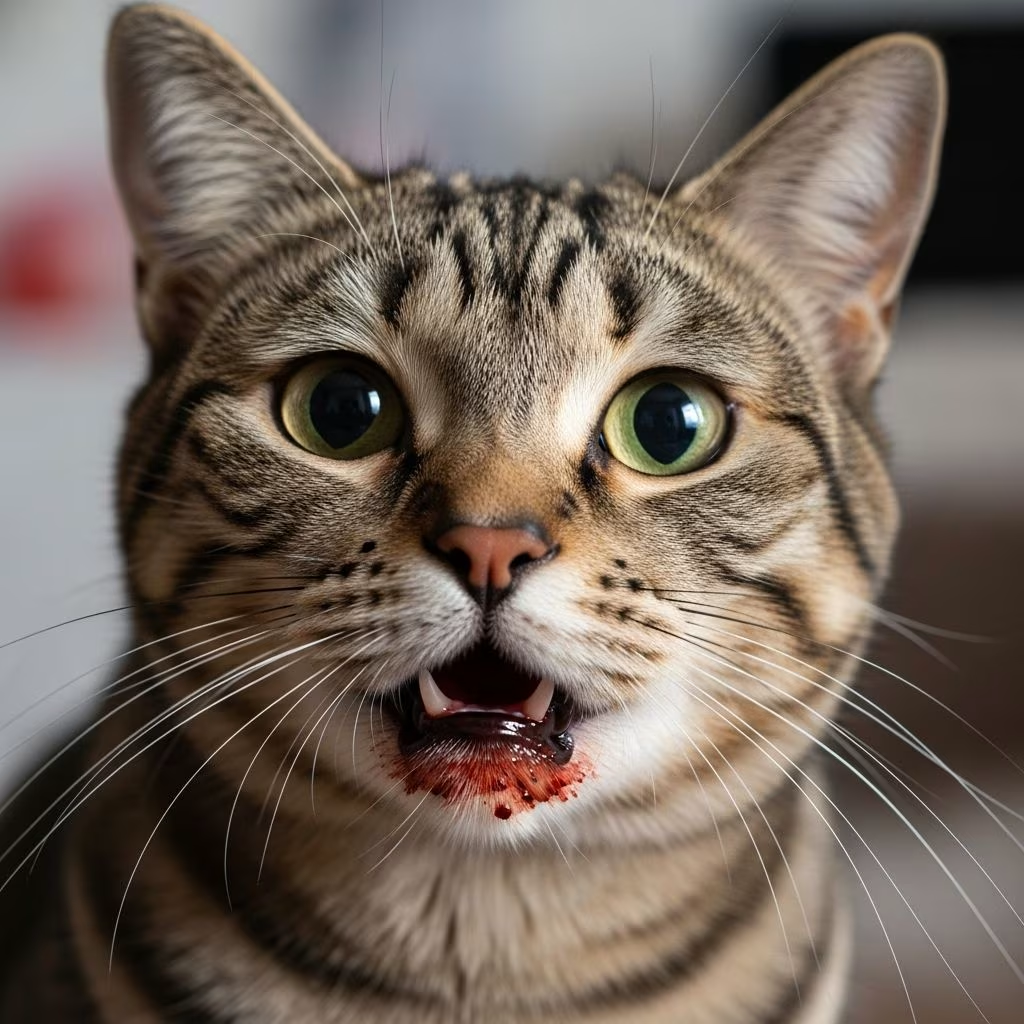
Blood in a cat’s vomit, medically termed hematemesis, demands immediate veterinary attention as it often points to underlying gastrointestinal damage, systemic illness, or toxin exposure. Prompt diagnosis and treatment can be lifesaving, preventing complications like severe anemia or organ failure.
Recognizing Blood in Your Cat’s Vomit
Identifying hematemesis early is crucial for cat owners. The appearance of the blood provides initial clues about its origin and urgency. Fresh, bright red blood typically originates from the mouth, esophagus, or upper stomach, suggesting active bleeding from trauma, ulcers, or irritation. In contrast, dark, granular material resembling coffee grounds indicates partially digested blood from the stomach or small intestine, often linked to slower bleeds like those from ulcers or tumors.
Other vomit characteristics include:
- Bright red streaks: Often mixed with food or mucus, signaling fresh esophageal or gastric injury.
- Coffee-ground vomit: Digested blood after exposure to stomach acid, common in chronic conditions.
- Bloody foam or mucus: May accompany inflammation or swallowed blood from oral lesions.
Accompanying signs heighten concern: lethargy, refusal to eat, abdominal pain (hunched posture or vocalizing), diarrhea, pale gums, rapid breathing, or weakness. Even a single episode warrants a vet visit, as cats mask illness until advanced stages.
Common Medical Causes of Hematemesis
Numerous conditions can provoke bleeding in a cat’s upper digestive tract. Understanding these helps owners contextualize symptoms while awaiting professional care.
Gastrointestinal Irritation and Ulcers
Repeated vomiting erodes the stomach or esophageal lining, forming ulcers that bleed. Non-steroidal anti-inflammatory drugs (NSAIDs) like ibuprofen, steroids, or overdoses exacerbate this by inhibiting protective mucus production or clotting.
Inflammatory and Infectious Diseases
Inflammatory bowel disease (IBD) triggers immune-mediated damage to the gut lining, causing chronic inflammation, ulcers, and bleeding. Symptoms extend to weight loss, diarrhea, and poor coat quality. Bacterial (e.g., salmonellosis), viral (e.g., panleukopenia), or fungal infections similarly inflame tissues, leading to hematemesis.
Systemic Organ Dysfunction
Kidney or liver failure induces uremia or coagulopathies, irritating the GI tract and causing ulcers. Chronic kidney disease, prevalent in senior cats, often presents with bloody vomit alongside increased thirst and urination.
Toxins and Coagulopathies
Rodenticides (anticoagulants like brodifacoum) disrupt clotting, resulting in widespread bleeding including the GI tract. Other toxins like household cleaners, certain plants, or heavy metals directly corrode mucosa.
Foreign Bodies and Trauma
Ingestion of strings, bones, or toys obstructs or lacerates the GI tract. External trauma from falls, fights, or accidents causes internal hemorrhage.
Oncologic and Other Conditions
Gastric lymphoma or mast cell tumors erode vessels. Postoperative bleeding, shock from anaphylaxis/heatstroke, or clotting disorders (e.g., disseminated intravascular coagulation) also contribute.
| Blood Type | Likely Sources | Common Triggers |
|---|---|---|
| Bright Red | Esophagus/Mouth | Trauma, Foreign Objects, NSAIDs |
| Coffee Grounds | Stomach/Intestines | Ulcers, IBD, Toxins |
| Mixed with Food | Upper GI | Infections, Cancer |
Immediate Steps for Cat Owners
Do not delay: Contact your veterinarian or an emergency clinic immediately upon noticing hematemesis. While preparing for the visit:
- Withhold food and water for 12-24 hours to rest the stomach, but offer small ice cubes if dehydration signs appear (dry gums, sunken eyes).
- Collect a fresh vomit sample in a sealed bag or photo for the vet.
- Monitor vital signs: Normal heart rate 140-220 bpm, gum color pink and moist.
- Note recent exposures: New foods, meds, plants, or behaviors like chewing strings.
Avoid home remedies like Pepto-Bismol, which is toxic to cats due to salicylate content and xylitol in some formulations.
Veterinary Diagnosis Process
Vets start with a thorough history and physical exam, palpating the abdomen for masses or pain. Diagnostics include:
- Bloodwork: Checks for anemia, kidney/liver values, clotting times, infection markers.
- Imaging: X-rays or ultrasound detect obstructions, masses, or fluid.
- Endoscopy/Biopsy: Visualizes and samples ulcers or inflamed tissue.
- Fecal/Urine Tests: Rules out parasites or kidney issues.
Differentiating GI bleeding from swallowed respiratory blood requires oral/respiratory exams.
Treatment Approaches
Treatment targets the root cause while stabilizing the cat:
- Supportive Care: IV fluids combat dehydration/shock; antiemetics (e.g., maropitant) halt vomiting; blood transfusions for severe anemia.
- Medications: Proton pump inhibitors (e.g., omeprazole) heal ulcers; antibiotics for infections; vitamin K1 for rodenticide poisoning.
- Surgery: Removes foreign bodies or tumors if needed.
- Dietary Management: Bland, prescription GI diets post-recovery.
Prognosis varies: Excellent for toxin reversal or simple ulcers; guarded for cancer or end-stage organ failure.
Preventing Future Episodes
Proactive steps reduce risks:
- Feed high-quality, vet-approved diets; transition slowly to avoid irritation.
- Never give human meds; use only cat-specific NSAIDs under supervision.
- Secure toxins, rodenticides, and linear objects (strings).
- Regular deworming and vaccinations prevent parasites/infections.
- Annual senior wellness exams detect kidney/liver issues early.
Frequently Asked Questions (FAQs)
Is one episode of blood in vomit an emergency?
Yes, always seek vet care promptly, even if isolated, as cats hide severity.
Can stress cause bloody vomiting?
Indirectly, via exacerbated IBD or eating disorders, but not primarily.
How long can a cat survive with GI bleeding?
Hours to days without treatment; depends on bleed volume and cause.
What home tests indicate urgency?
Pale gums, weakness, or multiple vomits signal critical need.
Does age affect likelihood?
Seniors face higher risks from kidney disease/cancer; kittens from infections.
Long-Term Management and Monitoring
Post-treatment, monitor weight, appetite, and stool. Recheck bloodwork as advised. For chronic cases like IBD, lifelong hypoallergenic diets or immunosuppressants maintain remission. Owners should track vomit frequency/color in a journal for pattern recognition.
Maintaining a stress-free environment with routine play, litter access, and pheromone diffusers supports gut health. Weight management prevents fatty liver exacerbations.
References
- Why Is My Cat Vomiting Blood? — PetMD. 2023. https://www.petmd.com/cat/symptoms/why-my-cat-vomiting-blood
- What Does It Mean When Your Cat Throws Up Blood? — Purina US. 2023. https://www.purina.com/articles/cat/health/digestion/cat-throwing-up-blood
- Why Is My Cat Vomiting Blood? — Hill’s Pet US. 2023. https://www.hillspet.com/cat-care/healthcare/why-is-my-cat-vomiting-blood
- My Cat is Vomiting Blood: What Do I Do? — Central Broward Vet. 2023. https://centralbrowardvet.com/blog/my-cat-is-vomiting-blood/
- Ask the Vet: Why Do Cats Throw Up? — Sunset Veterinary Clinic. 2023. https://www.sunsetvetclinic.com/blog/ask-the-vet-why-do-cats-throw-up
- Why Is My Cat Throwing Up Blood? — Bond Vet. 2023. https://bondvet.com/blog/why-is-my-cat-throwing-up-blood
- Is Your Cat Vomiting? A Complete Guide — Best Friends Animal Society. 2023. https://bestfriends.org/pet-care-resources/cat-throwing-causes-when-see-vet-treatment



