

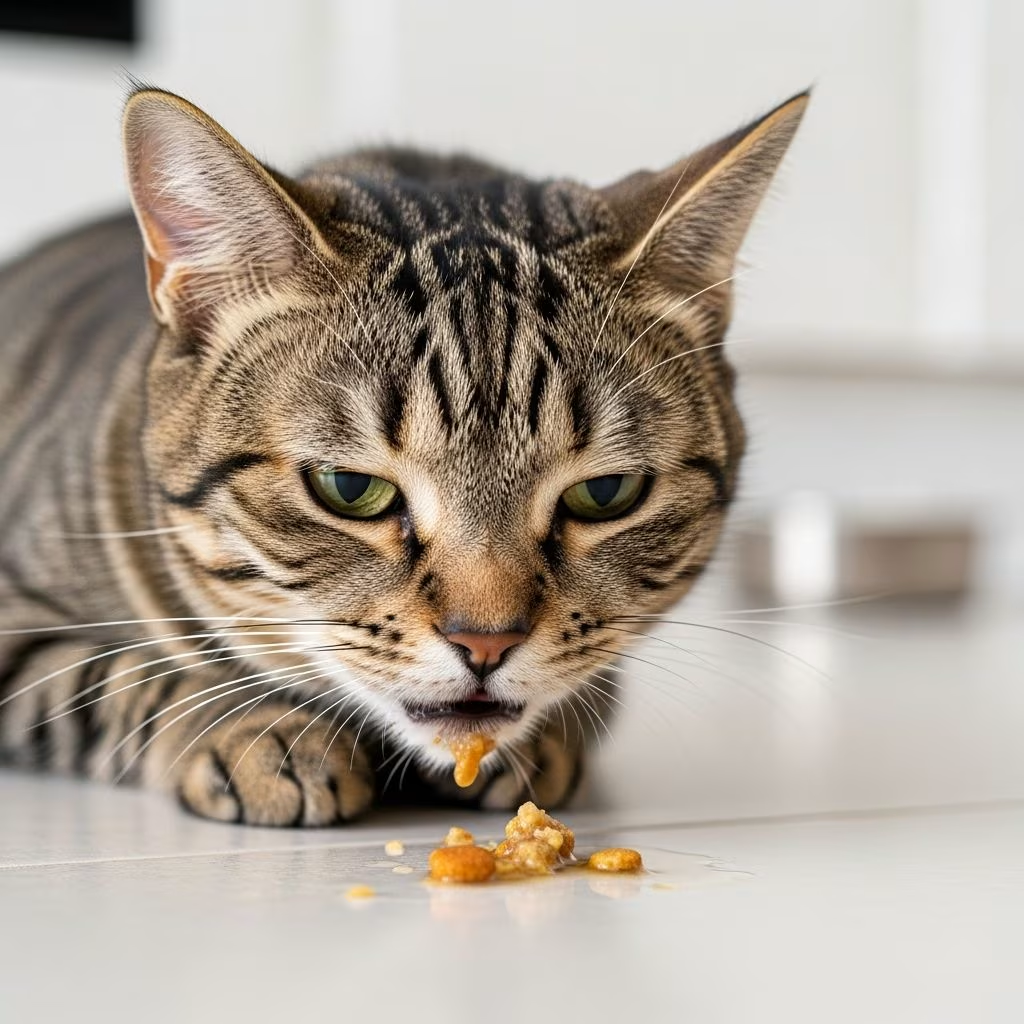
Vomiting in cats shortly after eating is a frequent concern for pet owners, often signaling minor digestive hiccups or more severe underlying problems. This guide delves into the primary triggers, differentiates between harmless episodes and emergencies, and offers practical strategies to help your feline companion maintain better digestive health.
Distinguishing Vomiting from Regurgitation in Cats
Cat owners must first recognize the difference between true vomiting and regurgitation, as they point to distinct issues. Vomiting involves active abdominal contractions, expelling partially digested food, bile, or foam from the stomach. Regurgitation, by contrast, is passive, with undigested food emerging effortlessly from the esophagus, often in a tubular shape soon after consumption.
Regurgitation frequently occurs due to esophageal disorders like inflammation, strictures, or megaesophagus, where the esophagus fails to propel food properly. Vomiting after meals typically stems from gastric disturbances, making accurate observation crucial for proper intervention.
Everyday Reasons Cats Vomit Post-Meal
Many instances of post-eating vomiting arise from benign, manageable factors tied to daily routines.
- Rapid Eating: Cats that devour food hastily overload their stomachs, prompting expulsion. Specialized puzzle feeders or slow-eat bowls can extend mealtime, reducing this risk.
- Excessive Exercise Post-Feast: Kittens particularly prone to dashing about immediately after meals may trigger gastric upset. Encourage a brief rest period before play.
- Hairballs: Grooming leads to fur ingestion, forming masses that irritate the stomach and cause expulsion, especially in long-haired breeds.
- Dietary Mishaps: Spoiled wet food, cold servings from the fridge, or indigestible plants like grass often provoke immediate reactions. Serve food at room temperature and discard leftovers promptly.
These common culprits resolve with simple adjustments, but persistent patterns warrant closer scrutiny.
Serious Medical Triggers for Post-Meal Vomiting
When vomiting recurs despite routine tweaks, deeper health concerns may be at play. Veterinary diagnostics are essential here.
| Condition | Symptoms Beyond Vomiting | Common in |
|---|---|---|
| Hyperthyroidism | Weight loss, increased appetite, hyperactivity | Older cats |
| Kidney Disease | Lethargy, increased thirst, poor coat | Senior cats |
| Pancreatitis | Abdominal pain, diarrhea, dehydration | All ages |
| Inflammatory Bowel Disease (IBD) | Chronic diarrhea, weight loss | Middle-aged cats |
| Intestinal Parasites | Diarrhea, pot-bellied appearance | Kittens/outdoor cats |
Sources highlight kidney issues and hyperthyroidism as prevalent in aging felines, often manifesting as intermittent post-meal vomiting alongside systemic signs. Parasites like worms disrupt digestion, particularly in young or outdoor cats.
Interpreting Vomit Appearance for Clues
The vomit’s look provides diagnostic hints, guiding urgency levels.
- Undigested Food: Suggests rapid intake or upper GI blockage; tubular form indicates regurgitation.
- Yellow Bile: Empty stomach irritation, possibly from liver issues or prolonged fasting.
- White Foam: Gastric inflammation or esophagitis.
- Blood Streaks: Ulcers, trauma from repeated heaving, or clotting disorders—emergency if bright red.
- Coffee Grounds or Black: Digested blood from upper GI bleeds, signaling ulcers or tumors.
- Foul-Smelling with Mucus: Intestinal inflammation or obstruction.
Noting color, consistency, and frequency aids vets in pinpointing causes efficiently.
Immediate Steps for Cat Vomiting Episodes
For isolated incidents, withhold food for 12-24 hours while ensuring hydration via fresh water or ice cubes. Reintroduce a bland diet—boiled chicken and rice—in small portions. Monitor closely; if vomiting persists beyond 24 hours or includes blood/lethargy, seek professional care.
Preventive measures include:
- Dividing daily intake into 4-6 micro-meals.
- Using hairball-control treats or grooming brushes.
- Gradual diet transitions over 7-10 days.
- Routine deworming and flea prevention.
When Post-Meal Vomiting Demands Veterinary Attention
Escalate to a vet if vomiting exceeds 2-3 times weekly, follows every meal, or accompanies:
- Dehydration (skin tenting, dry gums).
- Lethargy, refusal to eat/drink.
- Abdominal distension or pain.
- Weight loss or behavioral changes.
Acute cases like foreign body ingestion (strings, toys) cause rapid deterioration, demanding imaging or endoscopy. Chronic vomiting signals systemic diseases requiring bloodwork, ultrasound, or biopsies.
Diagnostic Approaches for Persistent Cases
Vets employ a stepwise process: history review, physical exam, fecal analysis for parasites, blood panels for organ function, and radiographs/ultrasounds for obstructions or masses. Endoscopy or surgery may follow for definitive answers.
Treatment Options Tailored to the Cause
Therapy varies by diagnosis:
- Hairballs/Overeating: Diet modification, anti-nausea meds, probiotics.
- Parasites: Targeted dewormers.
- Chronic Diseases: Prescription diets, fluids, medications like methimazole for thyroid issues.
- Obstructions: Surgical removal.
Hypoallergenic or hydrolyzed protein diets often alleviate food sensitivities or IBD.
Preventive Strategies for Long-Term Digestive Wellness
Proactive care minimizes recurrence:
- Regular vet checkups, especially annually post-age 7.
- High-quality, species-appropriate nutrition.
- Environmental enrichment to curb stress-induced eating.
- Daily brushing for hairball-prone cats.
Tracking episodes in a journal—timing, vomit traits, diet—empowers informed discussions with your vet.
Frequently Asked Questions (FAQs)
Is occasional vomiting after eating normal for cats?
Infrequent episodes from eating too fast or hairballs are common and often self-resolve with adjustments. Frequent or symptomatic vomiting needs evaluation.
How can I stop my cat from eating too quickly?
Employ slow-feeder bowls, puzzle toys, or separate multi-cat feedings to pace intake.
What if my cat vomits blood after meals?
This indicates potential ulcers or trauma—contact a vet immediately.
Can diet changes fix chronic vomiting?
Hydrolyzed or novel protein diets help many with allergies or IBD, but vet supervision ensures nutritional balance.
Should I induce vomiting at home?
Never; it risks aspiration or worsens obstructions. Professional care is safest.
By addressing vomiting promptly and preventively, cat owners can safeguard their pets’ comfort and vitality. Persistent issues always merit professional insight for optimal outcomes.
References
- Cat Throwing Up: Causes & Signs of Serious Issues — Purina. 2023. https://www.purina.com/articles/cat/health/digestion/why-is-my-cat-throwing-up
- My Cat Won’t Stop Vomiting: What to Do & When to Worry — Woburn Animal Hospital. 2024-04-30. https://www.woburnanimalhospital.com/site/blog/2024/04/30/cat-wont-stop-vomiting
- What To Do If Your Cat Keeps Vomiting — Northeast Veterinary Referal Hospital. 2024-08-15. https://www.northeast-vet.com/site/pet-care-blog-plains-vet/2024/08/15/cat-keeps-vomiting
- Cat Vomiting: Causes, Types, and What to Do — PetMD. 2024. https://www.petmd.com/cat/symptoms/cat-vomiting-causes-and-types
- Why Is My Cat Vomiting? Causes, Symptoms & When to… — Gardens Animal Hospital. 2024. https://www.gardensanimalhospital.com/why-is-my-cat-vomiting/
- Cat Vomiting – Causes, When to See Vet & Treatment — Best Friends Animal Society. 2024. https://bestfriends.org/pet-care-resources/cat-throwing-causes-when-see-vet-treatment
- Vomiting | Cornell University College of Veterinary Medicine — Cornell Feline Health Center. 2024. https://www.vet.cornell.edu/departments-centers-and-institutes/cornell-feline-health-center/health-information/feline-health-topics/vomiting



