

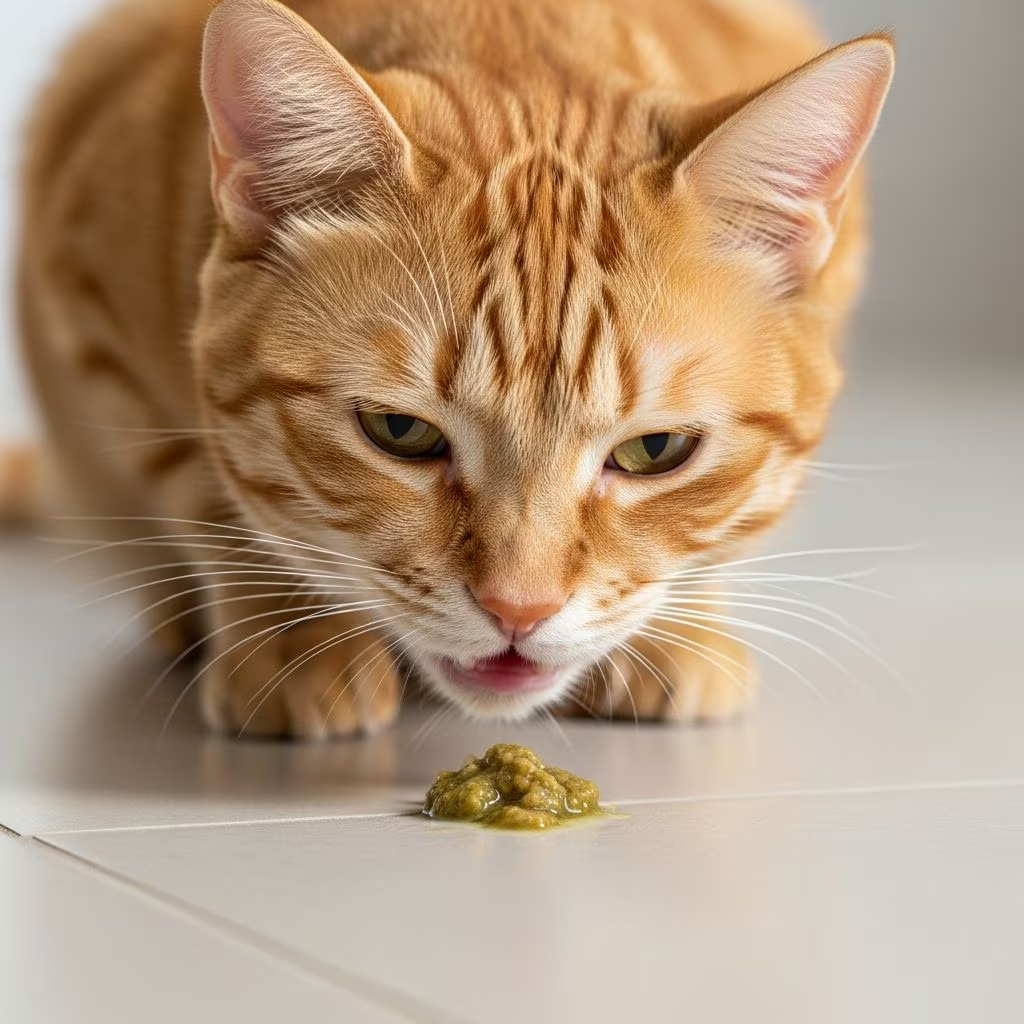
Cat vomiting is one of the most common reasons pet owners visit the veterinarian. While occasional vomiting might stem from something benign like a hairball or eating too quickly, frequent or sudden episodes can indicate underlying health problems ranging from dietary indiscretions to serious diseases like kidney failure or cancer. Understanding the difference between normal and concerning vomiting helps cat owners respond appropriately, potentially saving their pet’s life.
This guide covers everything from why cats vomit, what to look for in the vomit itself, home care tips, when to rush to the vet, diagnostic processes, treatments, and prevention strategies. We’ll distinguish between **acute vomiting** (sudden, short-term) and **chronic vomiting** (ongoing or recurrent), as the approach differs significantly.
Why Do Cats Vomit?
Cats have a highly sensitive digestive system, and vomiting is their body’s way of expelling irritants or harmful substances. Unlike regurgitation, which is passive and involves undigested food, true vomiting is an active process involving forceful stomach contractions. Common triggers include:
- Hairballs: Cats groom obsessively, swallowing fur that forms irritating masses in the stomach.
- Dietary indiscretion: Eating spoiled food, plants, garbage, or sudden diet changes.
- Eating habits: Gulping food too fast or overeating.
- Parasites: Roundworms or other intestinal worms, especially in kittens or outdoor cats.
- Medications or toxins: Reactions to drugs like antibiotics or exposure to lilies, antifreeze.
More serious causes involve organ dysfunction or diseases. Acute vomiting often resolves quickly once the trigger is removed, while chronic vomiting points to ongoing issues like **inflammatory bowel disease (IBD)**, **hyperthyroidism**, **kidney disease**, **pancreatitis**, **liver disease**, or **cancer**.
Acute vs. Chronic Vomiting in Cats
Recognizing the type of vomiting is crucial for deciding next steps. Acute vomiting is sudden and episodic, often due to parasites, infections, or eating something inappropriate. It typically stops after treatment of the cause. Chronic vomiting, occurring weekly or more, suggests systemic diseases requiring long-term management.
| Type | Duration/Frequency | Common Causes | Action Needed |
|---|---|---|---|
| Acute | Sudden, 1-2 episodes | Hairballs, diet issues, parasites | Monitor, home care if mild |
| Chronic | Ongoing, >1x/week | IBD, kidney disease, cancer | Vet visit immediately |
What Does Your Cat’s Vomit Look Like?
The appearance of vomit provides vital clues. Collect a sample or photo for your vet.
- Undigested food: Eaten too quickly, anxiety, or poisoning. Indicates food hasn’t reached the intestines.
- Clear liquid/watery: Excess stomach fluid or over-drinking. Could signal early gastritis.
- Yellow/bile: Empty stomach vomiting, often overnight; may indicate **pancreatitis** or IBD.
- Mucus/foamy: Intestinal inflammation or irritation.
- Blood (red/fresh): Ulcers, foreign bodies, or trauma—emergency!
- Coffee grounds (dark): Digested blood from upper GI bleeding.
- Worms: Roundworms visible; deworming needed.
- Foul-smelling: Possible obstruction or infection.
Large volumes or persistent mucus warrant immediate vet attention.
Common Causes of Cat Vomiting
Hairballs and Grooming
Hairballs are the top cause of occasional vomiting. Cats ingest fur while grooming, which accumulates in the stomach. Most pass it via feces, but some regurgitate cylindrical masses. Frequent hairballs may indicate excessive grooming from allergies or stress.
Dietary Issues and Food Sensitivities
Sudden diet switches, low-quality food, or intolerances (e.g., to grains or proteins) irritate the gut. Food allergies cause chronic vomiting alongside diarrhea or skin issues. Spoiled food or scavenging leads to acute cases.
Parasites and Infections
Intestinal parasites like roundworms cause vomiting, especially with visible worms. Viral infections (e.g., panleukopenia) or bacterial overgrowth trigger severe episodes. Kittens and outdoor cats are at higher risk.
Systemic Diseases
- Hyperthyroidism: Common in seniors; increases metabolism, causing vomiting, weight loss.
- Kidney Disease: Toxin buildup leads to nausea; chronic cases show lethargy.
- Pancreatitis: Inflamed pancreas causes bile-tinged vomit, pain.
- IBD: Immune-mediated gut inflammation; responds to diet/steroids.
- Cancer: Intestinal tumors obstruct or inflame.
Toxins and Medications
Lilies (highly toxic), antifreeze, human meds cause acute vomiting. Vet drugs like chemotherapy may have side effects.
When to See a Vet for Cat Vomiting
Not all vomiting needs a vet, but err on caution. Seek immediate care if:
- Blood, bile, or worms present.
- Vomiting >2-3 times/day or lasts >24 hours.
- Accompanied by diarrhea, lethargy, weakness, dehydration (sunken eyes, tacky gums).
- Kitten, senior, or pre-existing conditions.
- Abdominal pain, bloating, or no appetite.
For mild cases: Withhold food 12-24 hours, offer ice cubes/water, then bland diet (boiled chicken/rice). Monitor closely.
Diagnosing Cat Vomiting
Vets start with history (diet, frequency, vomit description) and physical exam. Diagnostics include:
- Bloodwork: Checks kidney/liver function, thyroid, electrolytes.
- Fecal exam: Parasites.
- Imaging: X-rays/ultrasound for obstructions, masses.
- Endoscopy/Biopsy: For IBD/cancer.
Treatment for Vomiting Cats
Treatment targets the cause:
- Fluids: Subcutaneous or IV to combat dehydration.
- Anti-emetics: Maropitant (Cerenia), metoclopramide stop nausea.
- Diet change: Bland foods like Hill’s i/d or Royal Canin GI; hydrolyzed/protein-limited for allergies. Trial 2-4 weeks.
- Medications: Antibiotics, dewormers, steroids (prednisone for IBD), antacids.
- Hospitalization: Severe cases need IV support.
Home care: Probiotics, small frequent meals.
Preventing Cat Vomiting
- Regular grooming/brushing reduces hairballs.
- Slow feeders prevent gulping.
- Consistent high-quality diet; gradual changes.
- Parasite preventives year-round.
- Secure toxins/plants; annual vet checkups for seniors.
Frequently Asked Questions (FAQs)
Q: How long is it okay for a cat to vomit before seeing a vet?
A: One-off episodes may be fine, but contact a vet if more than 2-3 times in 24 hours, or with other symptoms like lethargy.
Q: Is cat vomit with blood an emergency?
A: Yes, red or dark blood indicates bleeding; go to ER immediately.
Q: Can hairballs cause chronic vomiting?
A: Occasional yes, but frequent suggests allergies or IBD; vet evaluation needed.
Q: What home remedies help mild cat vomiting?
A: Fast 12-24 hours, offer water, then bland diet. Avoid OTC meds.
Q: Why is my senior cat vomiting yellow foam?
A: Often bile from empty stomach; check for kidney/thyroid issues.
Q: Does wet food reduce vomiting compared to dry?
A: Yes, higher moisture aids digestion; mix diets if tolerated.
References
- Cat Vomiting Disorders: Mechanisms, Causes, Management — Quimby JM et al. PMC. 2024. https://pmc.ncbi.nlm.nih.gov/articles/PMC10816764/
- Vomiting in Cats — VCA Animal Hospitals. 2023. https://vcahospitals.com/know-your-pet/vomiting-in-cats
- Vomiting — Cornell University College of Veterinary Medicine. 2024. https://www.vet.cornell.edu/departments-centers-and-institutes/cornell-feline-health-center/health-information/feline-health-topics/vomiting
- Cat Vomiting: Causes and Types — PetMD. 2024. https://www.petmd.com/cat/symptoms/cat-vomiting-causes-and-types
- Is Your Cat Vomiting? A Complete Guide — Best Friends Animal Society. 2023. https://bestfriends.org/pet-care-resources/cat-throwing-causes-when-see-vet-treatment



