

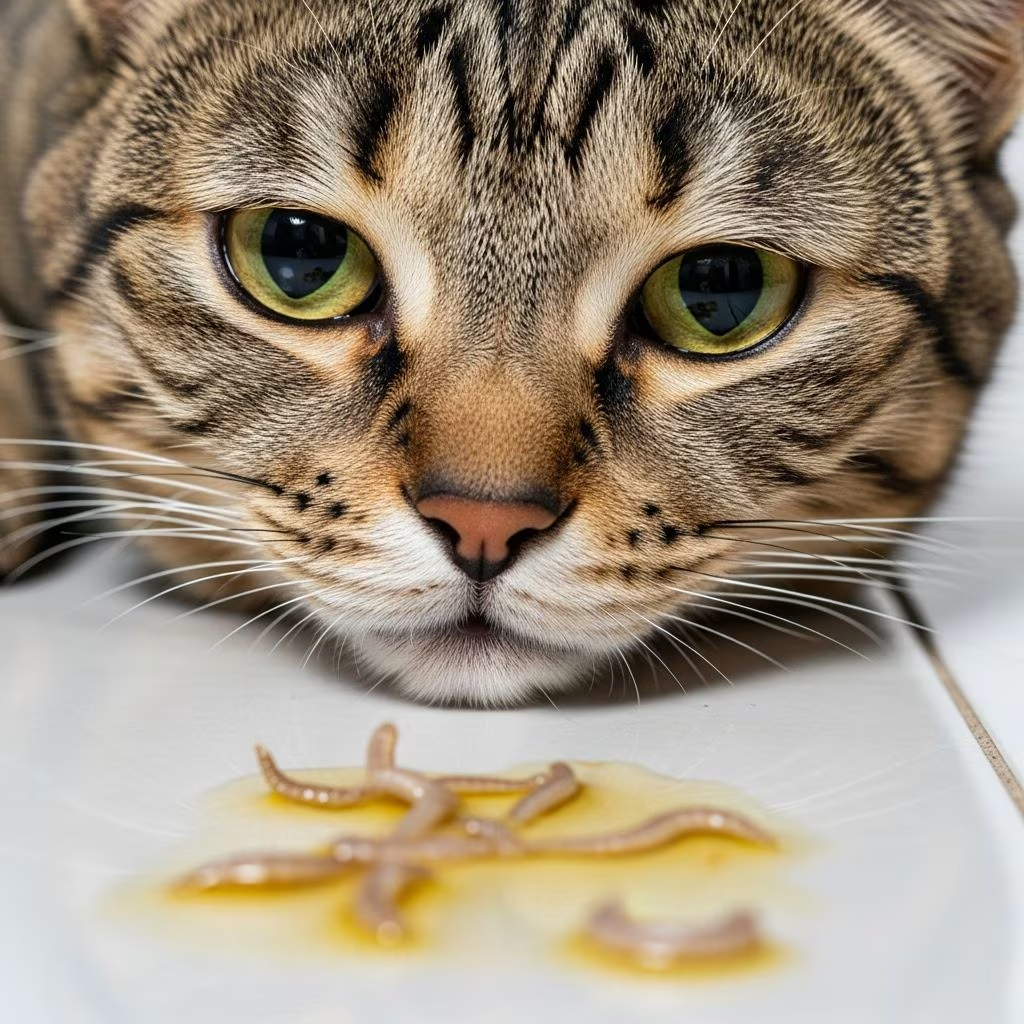
Seeing worms in your cat’s vomit is alarming but common, often indicating intestinal parasites like roundworms that affect up to 75% of cats, especially kittens. Prompt veterinary care can resolve this through deworming medications, preventing complications like malnutrition or anemia.
Understanding Parasitic Infections in Cats
Intestinal parasites thrive in cats’ digestive systems, feeding on nutrients and causing irritation that leads to vomiting. Gastrointestinal parasitism impacts as many as 45% of cats, with worm-like organisms being primary culprits. These parasites disrupt normal digestion, leading to visible expulsion in vomit or stool.
Adult worms reside in the intestines, where they consume the host’s food, resulting in poor nutrient absorption. Kittens and outdoor cats face higher risks due to exposure from soil, prey, or other animals. Transmission often occurs via mother’s milk or contaminated environments, making early detection crucial.
Common Types of Worms Found in Cat Vomit
Several worm species can appear in vomit, each with distinct characteristics and transmission methods. Recognizing them aids in targeted treatment.
- Roundworms (Toxocara cati, Toxascaris leonina): Most prevalent, 3-5 inches long, cream-colored. They float freely in intestines, causing vomiting with live worms visible. Eggs pass in feces, maturing in soil.
- Hookworms: Smaller, attach to intestinal walls, leading to blood loss, pale gums, and vomiting alongside diarrhea.
- Tapeworms: Segmented, rice-like pieces in vomit or stool, spread via fleas. Heavy infestations irritate the gut.
- Whipworms: Reside in large intestine, provoke watery diarrhea and occasional vomiting from inflammation.
| Worm Type | Appearance in Vomit | Key Risks |
|---|---|---|
| Roundworms | Long, white, spaghetti-like | Malnutrition, potbelly in kittens |
| Hookworms | Small, thread-like | Anemia, pale gums |
| Tapeworms | Flat segments | Weight loss, flea-related |
| Whipworms | Thin, whip-shaped | Bloody diarrhea |
Recognizing Symptoms Beyond Vomiting Worms
Vomiting worms is a clear sign, but accompanying symptoms confirm infestation severity. A heavy worm burden irritates the gut, causing backflow and expulsion. Watch for these indicators:
- Diarrhea, often mucoid or bloody, from intestinal damage.
- Weight loss and potbellied appearance despite normal eating, due to nutrient theft.
- Dull coat, lethargy, and reduced growth in kittens.
- Coughing if larvae migrate to lungs.
- Pale gums signaling anemia from blood-feeding worms.
Post-deworming, mild vomiting of dying worms is normal but should subside quickly. Persistent issues like dehydration (sunken eyes, tacky gums) require immediate vet attention.
How Cats Contract These Parasites
Cats acquire worms through multiple routes, emphasizing prevention. Primary transmission happens via:
- Mother’s milk to kittens, with larvae activating in the gut.
- Ingesting infected prey, soil, or parasite eggs from feces.
- Fleas carrying tapeworm segments, ingested during grooming.
- Other cats’ vomit or shared environments.
Outdoor access heightens exposure, as contaminated soil harbors infective eggs for weeks. Indoor cats aren’t immune if fleas or unclean litter boxes are present.
Immediate Actions When You See Worms in Vomit
Don’t panic—act swiftly. Isolate the cat to prevent spread, clean vomit thoroughly with gloves, and disinfect areas. Schedule a vet visit same-day for fecal analysis confirming worm type and egg count.
Collect a fresh stool sample if possible. Avoid over-the-counter dewormers without guidance, as they may not target all species. Vets prescribe broad-spectrum treatments like pyrantel or fenbendazole.
Veterinary Diagnosis and Treatment Options
Diagnosis involves microscopic fecal exams detecting eggs or larvae. Multiple samples may be needed, as shedding varies. For roundworms, eggs are identifiable after maturation.
Treatments kill adult worms and larvae:
- Oral dewormers: Effective against roundworms, hookworms; repeat doses clear larvae.
- Topical preventives: Monthly applications control fleas and worms.
- Probiotics: Restore gut health post-treatment if vomiting persists.
Follow-up fecal tests ensure clearance. Kittens need aggressive dosing due to life-threatening risks like anemia or intestinal rupture.
Preventing Future Worm Infestations
Proactive measures reduce recurrence:
- Monthly broad-spectrum preventives from vet.
- Flea control to block tapeworm cycles.
- Regular fecal screenings, especially for kittens and outdoorsy cats.
- Litter box hygiene: daily scooping, weekly deep cleans.
- Limit hunting/prey access; feed commercial diets.
Routine vet check-ups catch issues early. Prevalence drops with consistent prevention.
Potential Complications of Untreated Worms
Ignored infestations weaken immunity, inviting secondary infections. Severe cases cause:
- Malnutrition stunting growth.
- Anemia from blood loss.
- Intestinal blockages or ruptures.
- Zoonotic risks, like Toxocara to humans via eggs.
Prompt treatment restores health quickly.
Home Care Tips During Recovery
Support healing with:
- Bladder feeding: small, frequent meals of bland food.
- Hydration: fresh water, vet-approved fluids if dehydrated.
- Rest: quiet space, monitor symptoms.
- Probiotics for gut balance.
Avoid dairy or rich foods irritating the stomach.
FAQs
Is it dangerous if my cat vomits worms after deworming?
Mild vomiting of dead worms is normal within 1-2 days. Contact vet if excessive or with dehydration signs.
Can indoor cats get worms?
Yes, via fleas, contaminated litter, or fleas from visitors.
How often should I deworm my cat?
Kittens: every 2 weeks until 8 weeks, then monthly. Adults: every 3 months or per vet.
Are worms in cat vomit contagious to humans?
Some like roundworms pose low risk; wash hands, clean thoroughly.
What if symptoms persist after treatment?
Return for recheck; may indicate reinfection or different parasite.
References
- What Causes Cat Vomiting? | Sahara Pines Animal Hospital — Sahara Pines Animal Hospital. 2023. https://saharapinesah.com/blog/cat-vomiting/
- 8 Signs That Your Pet Might Have Worms — UrgentVet. 2023. https://urgentvet.com/8-signs-that-your-pet-might-have-worms/
- Worms in Cats — PetMD. 2024-01-15. https://www.petmd.com/cat/conditions/infectious-parasitic/worms-cats
- Gastrointestinal Parasites of Cats — Cornell University College of Veterinary Medicine. 2023. https://www.vet.cornell.edu/departments-centers-and-institutes/cornell-feline-health-center/health-information/feline-health-topics/gastrointestinal-parasites-cats
- What to Know About Roundworms in Cats — WebMD. 2023. https://www.webmd.com/pets/cats/what-to-know-about-roundworms-in-cats
- Roundworms – Cat Owners — Pets & Parasites. 2023. https://www.petsandparasites.org/cat-owners/roundworms/



