

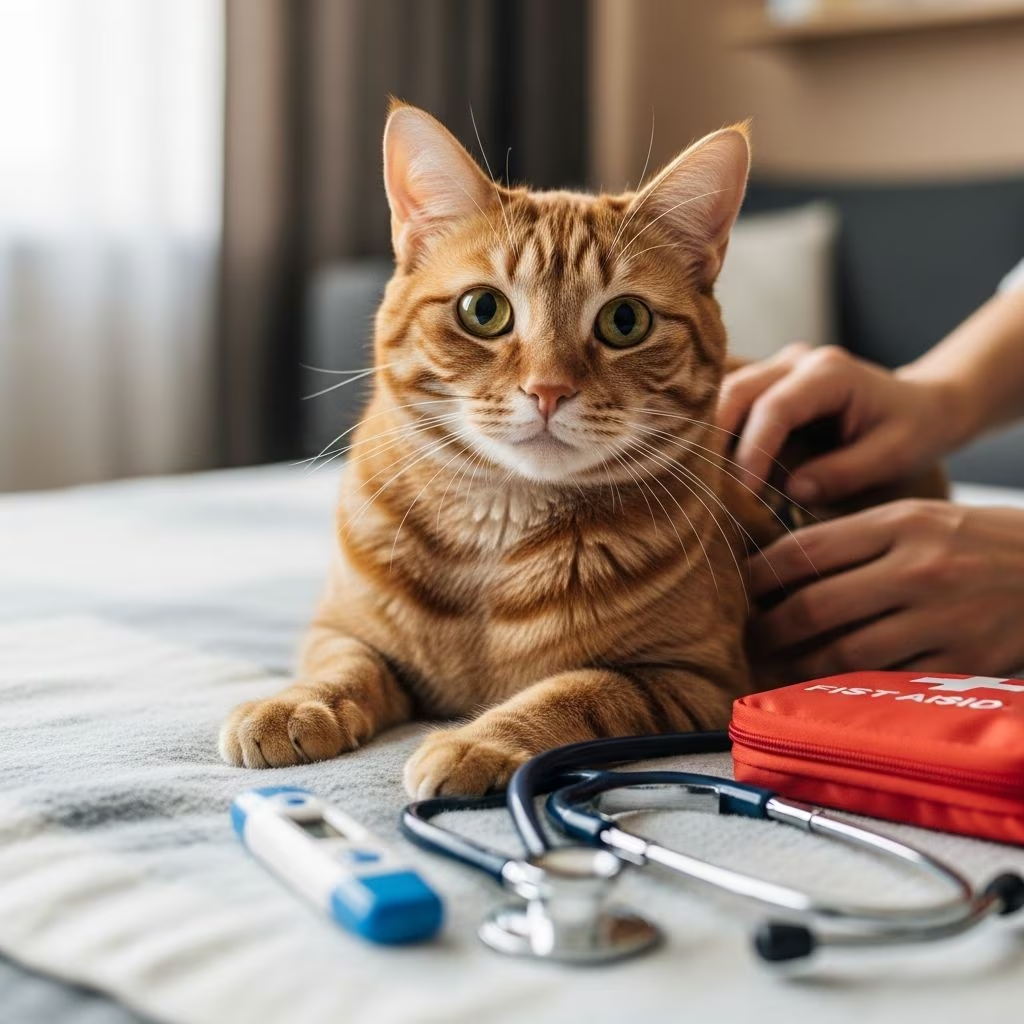
Understanding your cat’s vital signs is crucial for maintaining their well-being and spotting potential health problems early. Cats often hide symptoms of illness, making regular checks of temperature, heart rate, breathing, and hydration status essential for proactive care. This comprehensive guide provides normal ranges, step-by-step instructions, and insights into what deviations might indicate, empowering you to act swiftly when needed.
Understanding Normal Temperature in Cats
A cat’s body temperature typically falls between 100.5°F and 102.5°F (38°C to 39.2°C), slightly higher than humans due to their unique physiology. This range allows cats to efficiently regulate heat through grooming and limited sweating via paw pads. Kittens under four weeks have lower normals: newborns at 95-99°F, 2-3 week olds at 97-100°F, and four-week olds approaching 99-101°F, stabilizing to adult levels thereafter.
Temperatures above 102.5°F signal fever, often from infections or inflammation, while over 103°F requires veterinary attention. Hyperthermia from environmental heat exceeds 103.5°F, risking organ damage above 106°F. Conversely, below 100°F indicates hypothermia, common in newborns or exposed cats.
Safe Temperature Ranges by Age and Condition
| Age/Condition | Normal Range (°F) | Action if Outside Range |
|---|---|---|
| Newborn Kittens (0-1 week) | 95-99 | Warm immediately, vet if persistent |
| 2-3 Weeks | 97-100 | Monitor feeding, provide heat source |
| 4 Weeks+ | 99-102.5 | Track trends during illness |
| Adult Cats | 100.5-102.5 | Seek vet for >103 or <100 |
Step-by-Step Guide to Taking Your Cat’s Temperature
Rectal thermometers are most accurate for cats; use a digital pet-specific one lubricated with petroleum jelly. Gently insert 1 inch into the rectum while holding the cat securely on its side or stomach. Wait for the beep (usually 10-30 seconds) and note the reading. Ear thermometers work but may be less precise; avoid oral methods as cats resist them.
- Prepare supplies: Thermometer, lubricant, treats for reward.
- Calm your cat in a quiet room.
- Lift tail gently, insert thermometer smoothly.
- Hold steady, praise post-check.
- Clean equipment thoroughly.
Practice during routine wellness to build tolerance. If your cat shows distress, consult a vet for professional assessment.
Monitoring Heart Rate and Pulse
Normal resting heart rate for cats is 160-220 beats per minute (BPM), higher in kittens or stressed adults. Locate the heartbeat where the left elbow meets the chest (fifth rib) by laying the cat on its right side and placing your hand there. Count beats for 15 seconds and multiply by four.
For pulse, use fingers on the femoral artery inside the upper hind leg, near where it meets the body. Feel the recess midway front-to-back, count similarly. Deviations signal pain, dehydration, or cardiac issues—rates over 220 BPM or under 160 warrant concern.
Heart Rate Comparison Table
| State | Normal BPM | Potential Issues if Abnormal |
|---|---|---|
| Resting Adult | 160-220 | Tachycardia (high): Stress, pain; Bradycardia (low): Heart block |
| Excited/Active | 200-300 | Persistent high: Hyperthyroidism |
| Kitten | 220-260 | Monitor during play |
Assessing Breathing Rate and Patterns
Count chest rises/falls for one minute at rest: normal is 20-30 breaths per minute. Observe for labored, rapid, or shallow breathing, which could indicate respiratory distress, pain, or heat stress. Panting is rare in cats and signals overheating—move to shade immediately.
Check during sleep for baseline; excitement elevates rates temporarily. Use a phone timer for accuracy.
Evaluating Hydration and Mucous Membranes
Healthy gums are pink; lift the lip to inspect. Press gums—they should refill pink in 1-2 seconds (capillary refill time). Pale or blue gums suggest circulation problems; tacky or brick-red indicate dehydration or shock.
Skin turgor test: Tent skin on the neck scruff—it snaps back instantly if hydrated. Tenting over two seconds signals dehydration, needing fluids.
Recognizing Abnormal Vital Signs and Emergencies
Fevers over 106°F damage organs; hypothermia below 99°F in adults risks coma. Heatstroke from cars or hot environments (above 100°F ambient) escalates quickly. Cold stress occurs below 86°F in their thermoneutral zone (86-101°F), prompting warmth-seeking.
Signs needing immediate vet care:
- Temperature >103°F or <99°F
- Heart rate <160 or >220 BPM at rest
- Breaths >30/min or irregular
- Prolonged capillary refill or skin tenting
- Lethargy, vomiting, seizures
Ideal Home Environment for Vital Sign Stability
Cats prefer 86-101°F but adapt to cooler homes; provide heated beds, sunny perches to prevent cold stress. Avoid extremes: no cars/hot rooms above 100°F, insulated spots in winter. Indoor temps around 70°F need supplemental warmth like pet blankets.
Humidity affects hydration—dry air worsens dehydration. Fresh water fountains encourage drinking.
Tools and Tips for Routine Vital Checks
Invest in digital thermometers, stethoscopes for pros, apps for tracking trends. Weekly checks during health; daily if ill. Reward-based training eases handling. Log readings to share with vets.
Frequently Asked Questions (FAQs)
What is a dangerous temperature for my cat?
Temperatures over 103°F indicate fever; above 106°F is life-threatening. Below 100°F in adults signals hypothermia.
How often should I check my cat’s vitals?
Routinely weekly for healthy cats; daily if symptoms appear or post-surgery.
Can I use a human thermometer on my cat?
Digital rectal yes, with lubricant; never mercury or oral.
Why does my cat pant?
Rarely normal—indicates heat stress, pain, or respiratory issues.
What if my cat’s gums are pale?
Possible anemia or shock; vet urgently.
Preventive Care Through Vital Monitoring
Regular vital checks integrate into grooming, play, fostering early detection. Combine with diet, vaccines for holistic health. Educated owners save lives by knowing baselines.
References
- What’s a Normal Cat Temperature, Heart and Breathing Rate? — American Red Cross. Accessed 2026. https://www.redcross.org/take-a-class/resources/learn-pet-first-aid/cat/normal-temperature-heart-breathing-rate
- How Hot Is Too Hot for Cats? [Solved by a Veterinarian] — Aspen Veterinary Services. 2023. https://www.aspenvetflagstaff.com/services/cats/blog/how-hot-too-hot-cats-your-guide-caring-outdoor-cats-temperatures-rise
- How Hot Is Too Hot for Cats? — PetMD. Accessed 2026. https://www.petmd.com/cat/general-health/how-hot-is-too-hot-for-cats
- Why Cats Seek Warmth — K&H Pet Products. Accessed 2026. https://khpet.com/blogs/cats/why-cats-seek-warmth
- Fever in Cats: Symptoms and Treatments — WebMD. Accessed 2026. https://www.webmd.com/pets/cats/fevers-in-cats
- Taking the Temperature in a Kitten or Puppy — Maddie’s Fund. Accessed 2026. https://www.maddiesfund.org/taking-the-temperature-in-a-kitten-or-puppy/presentation_content/external_files/Educational%20Handout-%20Taking%20the%20Temperature%20in%20a%20Kitten%20or%20Puppy.pdf



