Cat Vet Checkups: Vital for Long Life
Unlock the secrets to extending your cat's lifespan with routine veterinary care that catches hidden illnesses early and boosts overall wellness.
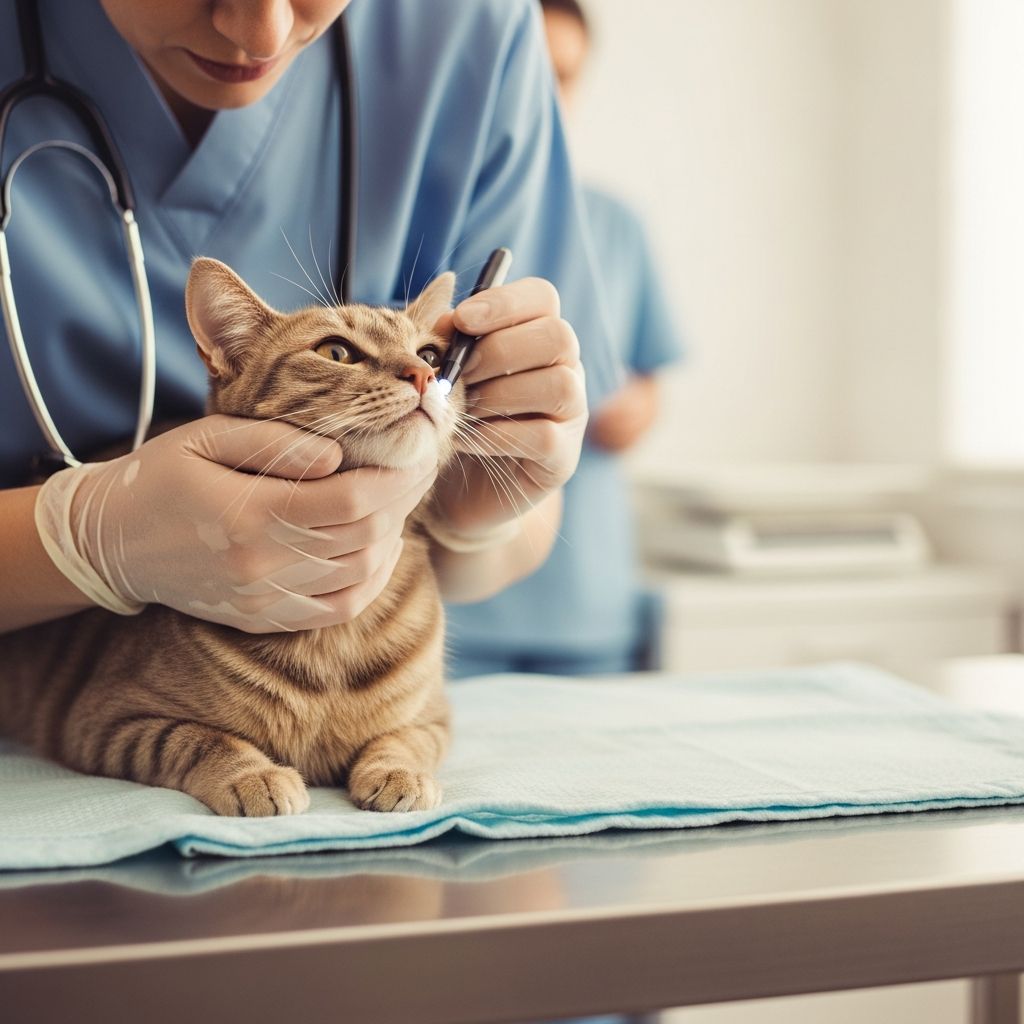
Cats often mask their illnesses, making routine veterinary examinations essential for early detection and prevention of serious health issues. Studies show cats receiving annual vet visits live significantly longer, highlighting the importance of proactive care.
The Silent Suffering of Felines
Felines excel at concealing pain and disease, a survival trait from their wild ancestors that leaves owners unaware of brewing problems. A 2023 AVMA study revealed 83% of cat owners underestimate veterinary needs, assuming independence equals good health. Conditions like dental disease affect 50-90% of cats over four years old, per Cornell Feline Health Center data, yet visible signs appear in only 10%.
Kidney disease strikes 1 in 3 cats over 10, progressing silently until advanced stages reduce survival odds dramatically. Hyperthyroidism and obesity, impacting 60% of cats according to AAFP, further compound risks for diabetes and heart issues. Vets detect subtle cues—coat dullness, minor weight shifts, or appetite tweaks—that evade untrained eyes.
Compelling Data on Lifespan Extension
Evidence from large-scale analyses proves regular checkups yield tangible benefits. Banfield Pet Hospital’s 2024 review of 2.5 million feline records found yearly visitors outlive others by 2.3 years on average. Early blood tests for chronic kidney disease (CKD) enable dietary and medicinal management, preserving quality life years.
| Health Metric | Statistic | Source |
|---|---|---|
| Annual Vet Visits Impact | +2.3 years lifespan | Banfield 2024 |
| CKD Prevalence >10 yrs | 1 in 3 cats | Banfield 2024 |
| Dental Disease >4 yrs | 50-90% | Cornell |
| Obesity Rate | 60% | AAFP |
These figures underscore prevention’s power. Pet insurance trends from 2025 indicate proactive owners file 30% fewer emergency claims, saving costs and stress.
Core Elements of a Routine Feline Exam
Standard vet appointments encompass comprehensive assessments tailored to feline physiology. Key components include:
- Physical Examination: Thorough head-to-tail check for lumps, skin issues, heart murmurs, and abdominal abnormalities.
- Vaccinations: Updates for rabies and feline distemper based on lifestyle risks; unvaccinated cats face 90% higher preventable disease odds per AVMA.
- Parasite Checks: Fecal, blood screening for worms, fleas, heartworm—affecting 1 in 4 indoor cats per 2023 studies.
- Blood and Urine Panels: Baseline for organ function, early CKD, diabetes detection.
- Dental Inspection: Identifying plaque, gingivitis before extractions needed.
- Weight and Nutrition Review: Body condition scoring, diet recommendations to combat obesity.
A University of California, Davis case illustrated this: a routine exam uncovered a heart murmur in a young cat, averting heart failure via timely meds. Cat-Friendly Practices (CFPs) boost diagnostics by 12% per visit, per PMC research, enhancing outcomes.
Life Stage-Specific Veterinary Protocols
Care frequency adjusts with age for optimal monitoring. Kittens demand frequent early visits for core vaccines, deworming, and spay/neuter. Adults (1-7 years) thrive on annual wellness exams establishing health baselines. Seniors (7+ years) need biannual checks as AAFP notes 75% over 12 have chronic issues.
| Life Stage | Visit Frequency | Focus Areas |
|---|---|---|
| Kitten (0-1 yr) | 3-4 visits | Vaccines, parasites, growth |
| Adult (1-7 yrs) | Annual | Baseline health, prevention |
| Senior (7-11 yrs) | Every 6 months | Early chronic disease screening |
| Geriatric (12+ yrs) | Every 6 months | Organ function, mobility, cancer checks |
AAFP/AAHA Feline Life Stage Guidelines emphasize this progression, addressing cats’ underdog status in vet care.
Why Cats Lag Behind Dogs in Vet Care
Despite outnumbering dogs by 10 million in the US, cats visit vets far less. Pre-2006 data showed dogs seen over twice as often; 72% of cats had one or zero yearly visits vs. 42% dogs. Recent Bayer studies confirm 52% of cats skipped care last year, only 37% got routine exams. INVMA notes nearly half lack regular attention.
Fear-anxiety drives avoidance; cats dread carrier trips and handling. Clinics adopting Cat-Friendly protocols see higher visit rates, more diagnostics, and revenue per patient. Effective vet communication boosts compliance by 40%, per studies.
Overcoming Barriers to Feline Vet Visits
Owners cite cost, stress, and ‘cats seem fine’ as hurdles. Solutions include:
- Low-stress handling: Pheromone sprays, towel wraps, quiet exam rooms.
- Flexible scheduling: Evening/weekend slots for working owners.
- Wellness packages: Bundled exams, vaccines at reduced rates.
- Telehealth intros: Virtual consults easing first visits.
- Insurance: Covering preventives, slashing out-of-pocket costs.
Clinics prioritizing felines report revenue gains from increased visits.
Broader Impacts: Zoonotic and Community Health
Routine cat care safeguards humans too. Vaccinations curb rabies, causing 5 US deaths 2021-2023 per CDC. Parasite controls prevent toxoplasmosis, affecting 30-50% globally. Healthier cats mean fewer strays, shelter burdens.
Practical Tips for Successful Vet Trips
Prepare with fasting if bloodwork planned, acclimate carriers with treats weeks ahead. Bring records, note changes. Post-visit, monitor advice compliance.
Frequently Asked Questions (FAQs)
How often should indoor cats see a vet?
Annually for adults, biannually for seniors. Kittens need more.
Do indoor cats really need vaccines?
Yes, rabies legally required; others prevent outbreaks.
What if my cat hates the vet?
Seek Cat-Friendly Practices using fear-free techniques.
Is pet insurance worth it for routine care?
Yes, reduces emergency claims by 30%.
Can diet replace vet visits?
No, professional screening catches issues diet alone misses.
Final Thoughts on Proactive Feline Wellness
Committing to regular vet care transforms cat guardianship from reactive to preventive, yielding longer, happier lives. As tech like AI diagnostics emerges, the cornerstone remains consistent checkups.
References
- Why Regular Vet Visits Are Essential for Cats — RshPets. 2023. https://rshpets.com/blogs/cat-health-wellness/why-regular-vet-visits-are-essential-for-cats
- The Importance of Taking Your Cat to the Veterinarian — INVMA. N/A. https://invma.org/the-importance-of-taking-your-cat-to-the-veterinarian/
- Cats are the Underdogs When it Comes to Veterinary Care — PMC. N/A. https://pmc.ncbi.nlm.nih.gov/articles/PMC10845481/
- Cats, the de-prioritized patients, and potential revenue booster — VetFamily. 2024-09-04. https://vetfamily.com/news/cats-the-de-prioritized-patients-and-potential-revenue-booster/
- Bayer-AAFP study finds 78 percent of veterinarians see cat care as … — CatVets (PDF). 2024. https://catvets.com/wp-content/uploads/2024/08/BVCUSIII.pdf
- Cat Friendly Practice improves feline visits, resulting in increased … — PMC. N/A. https://pmc.ncbi.nlm.nih.gov/articles/PMC10812006/
Similar Articles






Read full bio of Sneha Tete