

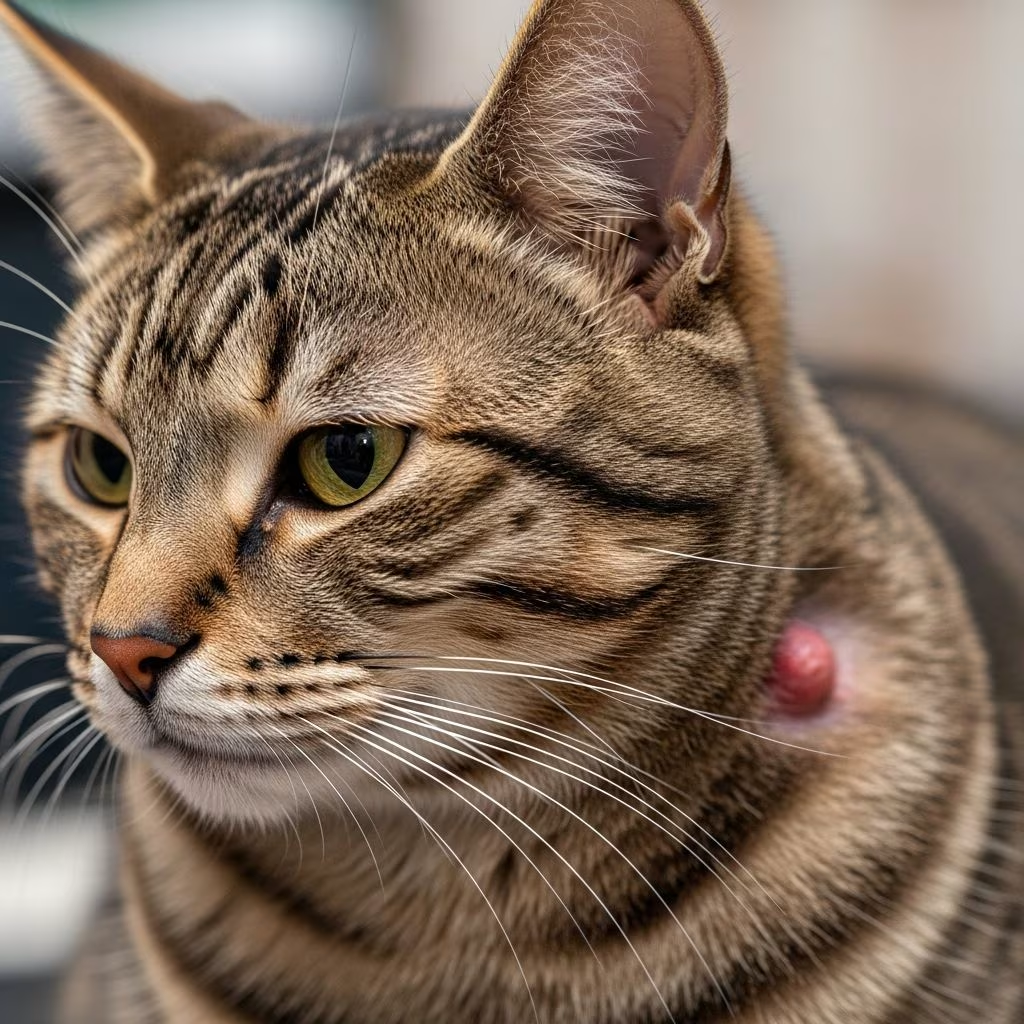
Cat vaccines are essential for protecting felines from serious diseases like feline leukemia, rabies, and upper respiratory infections. However, like all medical interventions, they can cause side effects ranging from mild and temporary to rare but severe reactions. Understanding these potential effects helps cat owners monitor their pets post-vaccination and know when to contact a veterinarian. Most reactions are mild and resolve within 24-48 hours, but vigilance is key to ensuring your cat’s safety.
Why Do Cats Have Vaccine Side Effects?
Vaccines work by stimulating the cat’s immune system to produce antibodies against specific pathogens. This immune response can sometimes lead to side effects as the body reacts to the vaccine components, adjuvants, or the injection itself. Common triggers include the vaccine’s viral or bacterial antigens, preservatives, or even the physical trauma of the needle. Factors like a cat’s age, health status, breed, and vaccination history influence reaction likelihood. Kittens and senior cats may be more susceptible, and repeated boosters can occasionally heighten sensitivity.
Studies show vaccine adverse events (VAEs) occur at rates around 0.52% in large cat populations, with most being non-specific like lethargy or local swelling. Severe events are far rarer, affecting fewer than 0.1% of vaccinations, but they demand immediate attention.
Common Cat Vaccine Side Effects
The majority of cat vaccine reactions are mild and self-limiting. These typically appear within hours to a day after vaccination and resolve without intervention. Pet owners should observe their cat closely for the first 48 hours.
- Localized Reactions at Injection Site: Swelling, redness, pain, or a small lump at the injection site is the most frequent reaction. This occurs because the immune response causes inflammation. It usually fades in 1-3 days.
- Lethargy and Fatigue: Cats may seem tired, sleep more, or act ‘off’ as their body builds immunity. This whole-body response affects up to 9.8% of cats mildly.
- Loss of Appetite: A temporary decrease in eating or disinterest in food for 24 hours is common, linked to mild fever or malaise.
- Low-Grade Fever: A slight temperature rise (under 103°F) accompanies the immune activation and resolves quickly.
- Respiratory Symptoms: Sneezing, mild coughing, or nasal discharge can follow intranasal vaccines like those for FVRCP (feline viral rhinotracheitis, calicivirus, panleukopenia).
These symptoms are normal signs of an effective vaccine and rarely require treatment beyond comfort care like a quiet space and hydration encouragement.
Rare but Serious Cat Vaccine Side Effects
While uncommon, severe reactions can be life-threatening and often occur within 15-30 minutes to 48 hours post-vaccination. Prompt veterinary intervention is critical.
- Anaphylaxis (Type I Hypersensitivity): This allergic reaction involves sudden release of histamines, causing facial swelling, hives, itching, vomiting, diarrhea, difficulty breathing, collapse, or shock. It affects about 41% of reported severe VAEs in some studies, with high mortality if untreated. Risk factors include prior reactions or certain vaccine adjuvants like BSA.
- Injection-Site Sarcoma: A rare but aggressive cancer (fibrosarcoma) developing months to years later at the injection site. These lumps grow persistently and may metastasize. Incidence has dropped with non-adjuvanted vaccines and distal limb injection protocols.
- Persistent Systemic Signs: Ongoing vomiting, diarrhea, high fever, or neurological symptoms like seizures warrant emergency care.
| Symptom | Onset Time | Severity | Action Needed |
|---|---|---|---|
| Swelling at site | Hours | Mild | Monitor |
| Lethargy | Hours-Days | Mild | Monitor |
| Facial swelling/hives | Minutes-Hours | Severe | Emergency vet |
| Growing lump (weeks+) | Weeks-Months | Severe | Biopsy ASAP |
Symptoms Requiring Immediate Veterinary Attention
Watch for these red flags post-vaccination:
- Facial or muzzle swelling
- Hives or intense itching
- Difficulty breathing or persistent coughing
- Vomiting or watery/bloody diarrhea
- Collapse, fainting, or seizures
- Limping or stiffness lasting over 48 hours
- Any lump larger than a pea or persisting beyond 3 weeks.
If symptoms appear before leaving the vet clinic, inform staff immediately. For home reactions, call your vet or an emergency clinic without delay.
How Long Do Cat Vaccine Side Effects Last?
Mild effects like soreness or lethargy typically last 24-72 hours. Respiratory symptoms from intranasal vaccines may persist 2-4 days. Anaphylaxis peaks within 30 minutes but can recur (biphasic reaction). Sarcomas develop slowly over months. Monitor lumps for 3 months post-vaccination; if unchanged after 3 months and smaller than 2 cm, less likely malignant.
Treatment for Cat Vaccine Reactions
Mild Reactions: Rest, warmth, and appetite stimulants if needed. Avoid disturbing the injection site.
Severe Reactions: Vets use epinephrine for anaphylaxis, antihistamines, corticosteroids, IV fluids, and oxygen. Hospitalization may be required.
Sarcoma: Surgical excision with wide margins, radiation, or chemotherapy. Early detection improves prognosis.
Pre-treat anxious cats with antihistamines if previously reactive, under vet guidance.
Prevention of Cat Vaccine Side Effects
- Use non-adjuvanted, recombinant vaccines where possible (e.g., purevax line).
- Inject over ribs or distal limbs for easy sarcoma monitoring/biopsy.
- Follow core vs. non-core vaccine guidelines based on lifestyle (indoor cats need fewer).
- Space out vaccines; avoid multi-valent on same day if history of reactions.
- Pre-medicate with diphenhydramine for high-risk cats.
- Track vaccination sites and monitor quarterly.
The AVMA endorses these protocols, noting reduced sarcoma rates with modern vaccines.
Frequently Asked Questions (FAQs)
Are cat vaccine reactions common?
Yes, mild reactions occur in about 0.5-10% of vaccinations, but severe ones are rare (under 0.1%).
Should I vaccinate my indoor cat?
Core vaccines like rabies and FVRCP are recommended regardless of lifestyle; tailor non-core based on risk.
What if my cat develops a lump after vaccination?
Monitor size; seek biopsy if it grows, persists >3 months, or exceeds 2cm.
Can vaccines cause long-term harm?
Rarely, via sarcomas, but benefits far outweigh risks for disease prevention.
How can I comfort my cat post-vaccination?
Provide quiet rest, fresh water, bland food, and avoid play for 24 hours.
References
- 4 Most Common Cat Vaccine Reactions and When To Call Your Vet — PetMD. 2023. https://www.petmd.com/cat/general-health/cat-vaccines-most-common-reactions
- Pet Vaccine Side Effects to Watch for — Aztec Pet Hospital. 2023. https://aztecpethospital.com/pet-vaccine-side-effects/
- Care for Your Pet After Vaccination — VCA Animal Hospitals. 2024. https://vcahospitals.com/know-your-pet/care-for-your-pet-after-vaccination
- GUIDELINE for Adverse reactions to vaccination — ABCD cats & vets (European Advisory Board on Cat Diseases). 2022. https://www.abcdcatsvets.org/guideline-for-adverse-reactions-to-vaccination/
- Vaccinations — American Veterinary Medical Association (AVMA). 2024. https://www.avma.org/resources-tools/pet-owners/petcare/vaccinations



