

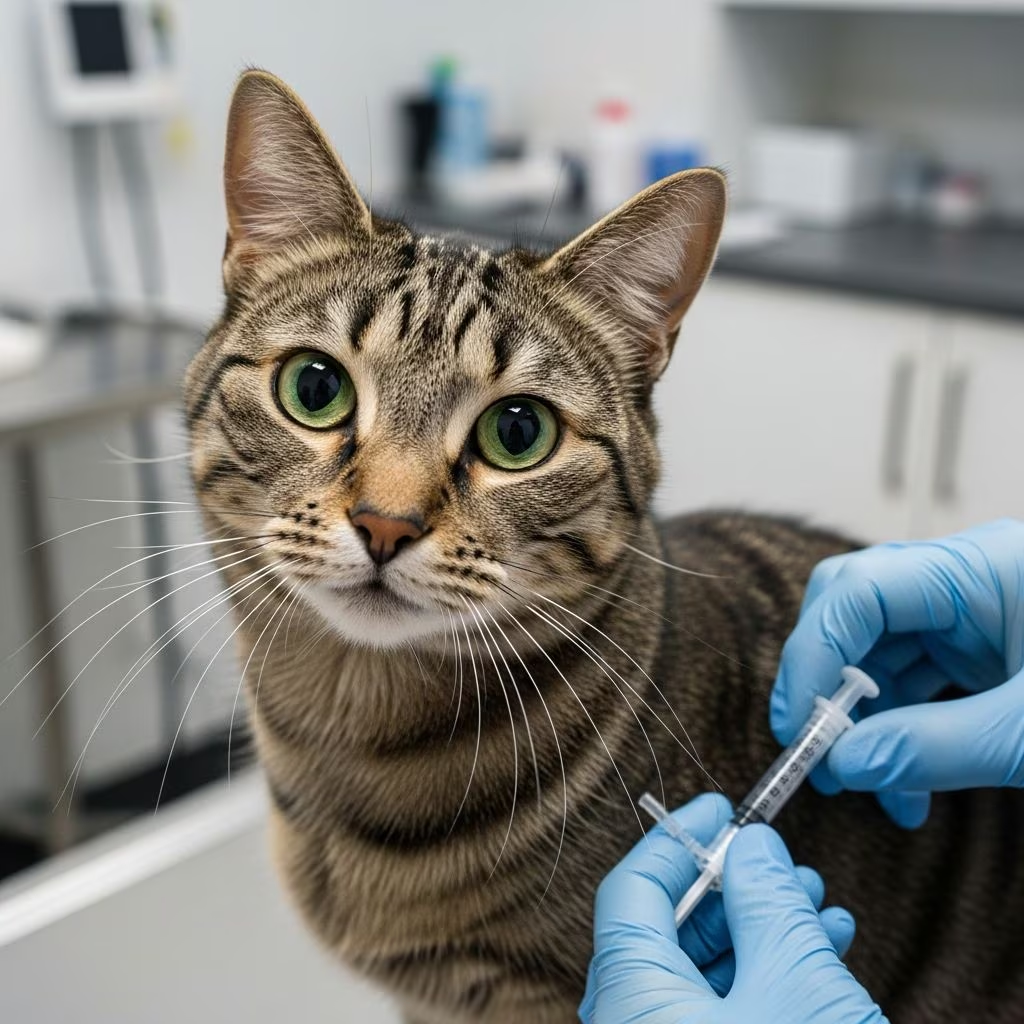
Cat Vaccinations: Everything You Need to Know
Vaccinations are one of the most important preventative healthcare measures you can provide for your cat. They protect your feline companion from dangerous and potentially life-threatening diseases while helping to maintain their overall health and well-being throughout their lifetime. Whether you’re a first-time cat owner or an experienced pet parent, understanding the ins and outs of cat vaccinations is crucial for making informed decisions about your cat’s healthcare.
Cat vaccinations work by introducing a small, harmless amount of a disease-causing agent into your cat’s body, which helps their immune system recognize and fight off the actual disease if they encounter it in the future. This immune response provides protection against serious feline illnesses that can be costly to treat and potentially fatal without proper prevention.
Why Are Vaccinations Important for Cats?
Vaccinations serve as a critical defense system against numerous infectious diseases that can affect cats of all ages. Many feline diseases are highly contagious, spread easily between cats, and can cause severe illness or death if left untreated. Some of these diseases are particularly dangerous for kittens, whose immune systems are still developing and more vulnerable to infection.
Beyond protecting individual cats, vaccinations also contribute to herd immunity, reducing the overall prevalence of dangerous diseases in cat populations. Regular vaccinations ensure that your cat maintains protection throughout their life, with booster shots keeping their immunity strong as it naturally wanes over time. Additionally, many boarding facilities, groomers, and veterinary clinics require proof of vaccination before accepting cats for services, making current vaccinations essential for your cat’s lifestyle and social activities.
Understanding Core Vaccines for Cats
Core vaccines are those recommended for all cats, regardless of age, lifestyle, or living environment. These vaccines protect against the most serious and widespread feline diseases and are considered essential by major veterinary organizations including the American Animal Hospital Association (AAHA) and the Feline Veterinary Medical Association.
FVRCP Vaccine
The FVRCP vaccine is a combination vaccine that protects against three major feline diseases: feline viral rhinotracheitis (FHV-1), feline calicivirus (FCV), and feline panleukopenia (FPV). Feline viral rhinotracheitis is a herpes virus that causes upper respiratory infections with symptoms including sneezing, nasal discharge, and eye problems. Feline calicivirus also causes respiratory illness and can lead to oral ulcers and lameness. Feline panleukopenia is an extremely contagious viral disease that affects the gastrointestinal tract and bone marrow, causing severe illness and potential death, particularly in unvaccinated kittens.
The FVRCP vaccine is highly effective and considered essential protection. For indoor cats, booster shots may be given every three years after the initial series, while cats with outdoor access or senior cats typically need annual boosters.
Rabies Vaccine
Rabies is a deadly viral disease that affects the central nervous system and is nearly always fatal once clinical signs appear. The rabies vaccine is a core vaccine recommended for all cats and is often legally required in many jurisdictions. Rabies can be transmitted to humans through bite wounds, making vaccination not only important for your cat’s health but also a public health measure.
Kittens typically receive their first rabies vaccine at 12-16 weeks of age, followed by a booster one year later. Adult cats should receive rabies boosters either annually or every three years, depending on the specific vaccine used and local regulations.
Feline Leukemia Virus (FeLV) Vaccine
The feline leukemia virus vaccine is considered a core vaccine for all kittens and cats up to one year of age. FeLV is a serious viral infection that suppresses the immune system and can lead to anemia, lymphoma, and other life-threatening conditions. Kittens are particularly vulnerable to FeLV infection, making vaccination during the early stages of life critical.
The initial FeLV vaccination series consists of two doses spaced three to four weeks apart, followed by revaccination one year later. For adult cats, the FeLV vaccine becomes non-core if there is minimal risk of exposure, though it may still be recommended for cats with outdoor access or those exposed to other cats.
Non-Core and Optional Vaccines
Non-core vaccines are recommended for specific cats based on their lifestyle, risk factors, and potential exposure to certain diseases. These vaccines are not routinely given to all cats but should be discussed with your veterinarian based on your individual cat’s circumstances.
Chlamydia Vaccine
Chlamydia felis causes eye infections and upper respiratory disease in cats. This vaccine may be recommended for cats with outdoor access or those living in multi-cat households where the disease is present.
Bordetella Vaccine
Bordetella bronchiseptica is a bacterium that contributes to respiratory disease in cats. This vaccine may be considered for cats in boarding facilities, shelters, or other high-stress environments where respiratory disease is common.
Kitten Vaccination Schedule
Establishing a proper vaccination schedule is essential for ensuring that your kitten develops adequate immunity against serious diseases. The vaccination timeline begins early in a kitten’s life and extends into adulthood.
First Vaccination Visit (6-8 Weeks)
Your kitten should begin their vaccination series at six to eight weeks of age. During this first visit, your veterinarian will administer the FVRCP vaccine to protect against feline viral rhinotracheitis, calicivirus, and panleukopenia. Your veterinarian may also perform a blood test for feline leukemia, conduct a fecal exam to check for parasites, and review nutrition and grooming recommendations with you.
Second Vaccination Visit (10-12 Weeks)
At approximately 10-12 weeks of age, your kitten should receive their second set of vaccinations. This visit includes the second FVRCP booster and the first feline leukemia vaccine. Your veterinarian will also perform an external check for parasites and conduct a thorough physical examination.
Third Vaccination Visit (14-16 Weeks)
The third vaccination visit typically occurs at 14-16 weeks of age. At this point, your kitten receives their final FVRCP booster and their first rabies vaccine. If your kitten’s situation indicates a need for the FeLV vaccine, the second dose is administered at this time.
Booster at One Year
One year after the initial vaccination series is complete, your cat should receive booster shots for FVRCP and rabies. This reinforces immunity and ensures your cat maintains strong protection against these serious diseases.
Adult Cat Vaccination Schedule
After completing the initial kitten vaccination series, your adult cat requires ongoing boosters to maintain immunity. The frequency of boosters depends on the vaccine type and your cat’s individual risk factors.
| Vaccine Type | Indoor Cats | Outdoor/Mixed Cats |
|---|---|---|
| FVRCP | Every 3 years | Every 1 year |
| Rabies | Every 1-3 years | Every 1-3 years |
| FeLV | Not recommended (low risk) | Every 1-2 years |
For indoor adult cats, the FVRCP vaccine can be administered every three years, while outdoor cats or those with potential exposure may need annual boosters. Your veterinarian can assess your cat’s specific risk factors and recommend an appropriate vaccination schedule tailored to their lifestyle.
How Vaccines Are Administered
Most feline vaccines are administered through injection to achieve maximum stimulation of the immune system. Vaccines can be injected subcutaneously (just under the skin) or intramuscularly (into the muscle), depending on the specific vaccine. Many vaccines are available in combination formulations, allowing multiple protections to be given in a single injection, which reduces the number of shots your cat needs and makes the vaccination process more convenient.
Your veterinarian will advise you on the appropriate administration method and injection site for each vaccine. Some vaccines, such as rabies and FeLV vaccines, are administered in specific locations to help monitor for potential injection-site reactions.
Potential Side Effects and Safety Considerations
While vaccines are generally very safe and well-tolerated by most cats, some mild side effects may occur. Common reactions include temporary letharness, mild fever, or soreness at the injection site, which typically resolve within a day or two. Most cats experience no adverse effects from vaccination.
Serious side effects are rare but can include allergic reactions. Additionally, there is a very small risk of injection-site sarcoma development, particularly with certain vaccines. Your veterinarian can discuss these risks and benefits with you and recommend the safest vaccination protocol for your individual cat.
Special Considerations for Different Cat Lifestyles
Your cat’s lifestyle significantly influences their vaccination needs. Indoor cats have minimal exposure to infectious diseases and may require less frequent boosters compared to outdoor or indoor-outdoor cats. Cats with outdoor access face greater risk of exposure to FeLV, FHV-1, FCV, and other infectious agents, requiring more frequent vaccinations and potentially additional non-core vaccines.
Senior cats and very young cats also have special considerations. Senior cats may benefit from annual FVRCP vaccines due to potentially declining immune function, while kittens require more frequent initial vaccinations to ensure adequate immunity development. Cats heading into stressful situations such as boarding may benefit from a core vaccine booster seven to ten days before the event.
Creating a Personalized Vaccination Plan
The best vaccination protocol is one tailored to your individual cat’s needs. During your veterinary visit, discuss your cat’s lifestyle, indoor versus outdoor status, exposure to other cats, and any specific health concerns. Your veterinarian will use this information to create a personalized vaccination plan that provides optimal protection while minimizing unnecessary vaccines.
Keep detailed records of your cat’s vaccinations, including the dates administered and the specific vaccines given. This documentation is important for tracking your cat’s health history and is often required by boarding facilities, groomers, and other services.
Frequently Asked Questions About Cat Vaccinations
Q: At what age should kittens start receiving vaccinations?
A: Kittens should begin their vaccination series at six to eight weeks of age, with follow-up boosters given every three to four weeks until they reach 16 weeks of age.
Q: How often does my indoor cat need booster shots?
A: Indoor adult cats typically need FVRCP boosters every three years and rabies boosters every one to three years, depending on the vaccine used and local regulations.
Q: Is the FeLV vaccine necessary for all cats?
A: The FeLV vaccine is considered core for all kittens and cats up to one year of age. For adult cats, it becomes non-core if there is minimal risk of exposure, but it should be discussed with your veterinarian based on your cat’s lifestyle.
Q: Can vaccines make my cat sick?
A: Serious side effects from vaccines are rare. Most cats experience no adverse effects, though some may have mild temporary reactions like letharness or soreness at the injection site.
Q: Do indoor and outdoor cats need different vaccines?
A: Both receive the same core vaccines, but outdoor cats may need more frequent boosters and additional non-core vaccines based on their exposure risk.
Q: What should I do if my cat has a reaction to a vaccine?
A: Contact your veterinarian immediately if your cat shows signs of an allergic reaction, such as difficulty breathing, swelling of the face, or severe letharness. Your vet can provide appropriate treatment and adjust future vaccination protocols if necessary.
Q: How long does vaccine immunity last?
A: Immunity duration varies by vaccine type. FVRCP immunity can last up to three years in indoor cats, while rabies immunity depends on the specific vaccine used and can range from one to three years.
Conclusion
Cat vaccinations are a fundamental component of responsible pet ownership and preventative healthcare. By understanding the vaccination schedule, types of vaccines, and specific needs of your individual cat, you can make informed decisions that protect your feline companion from serious and potentially life-threatening diseases. Regular communication with your veterinarian ensures that your cat receives the appropriate protection based on their age, lifestyle, and health status, allowing your cat to live a healthy, happy, and protected life.
References
- Cat Vaccination Schedule: A Complete Guide — Dells Animal Hospital. 2024-03-20. https://www.dellsanimalhospital.net/site/blog/2024/03/20/cat-vaccination-schedule
- Cat Vaccinations: What Vaccines Do Cats Need? — PetMD. https://www.petmd.com/cat/general-health/cat-vaccinations-what-vaccines-do-cats-need
- Vaccination Guidelines for Dogs and Cats — UC Davis School of Veterinary Medicine. https://healthtopics.vetmed.ucdavis.edu/health-topics/feline/vaccination-guidelines-dogs-and-cats
- Cat Vaccinations: Comprehensive Vaccination Schedule — Bradley Veterinary Hospital. https://www.bradleyvet.com/services/cats/cat-vaccinations
- Vaccines for Cats — VCA Animal Hospitals. https://vcahospitals.com/know-your-pet/vaccines-for-cats
- 2024 Guidelines for the Vaccination of Dogs and Cats — World Small Animal Veterinary Association (WSAVA). 2024. https://wsava.org/wp-content/uploads/2024/04/WSAVA-Vaccination-guidelines-2024.pdf
- 2020 AAHA/AAFP Feline Vaccination Guidelines — American Animal Hospital Association (AAHA) and American Association of Feline Practitioners (AAFP). 2020. https://www.aaha.org/wp-content/uploads/globalassets/02-guidelines/feline-vaccination-guidlines/resource-center/2020-aahaa-afp-feline-vaccination-guidelines.pdf



