

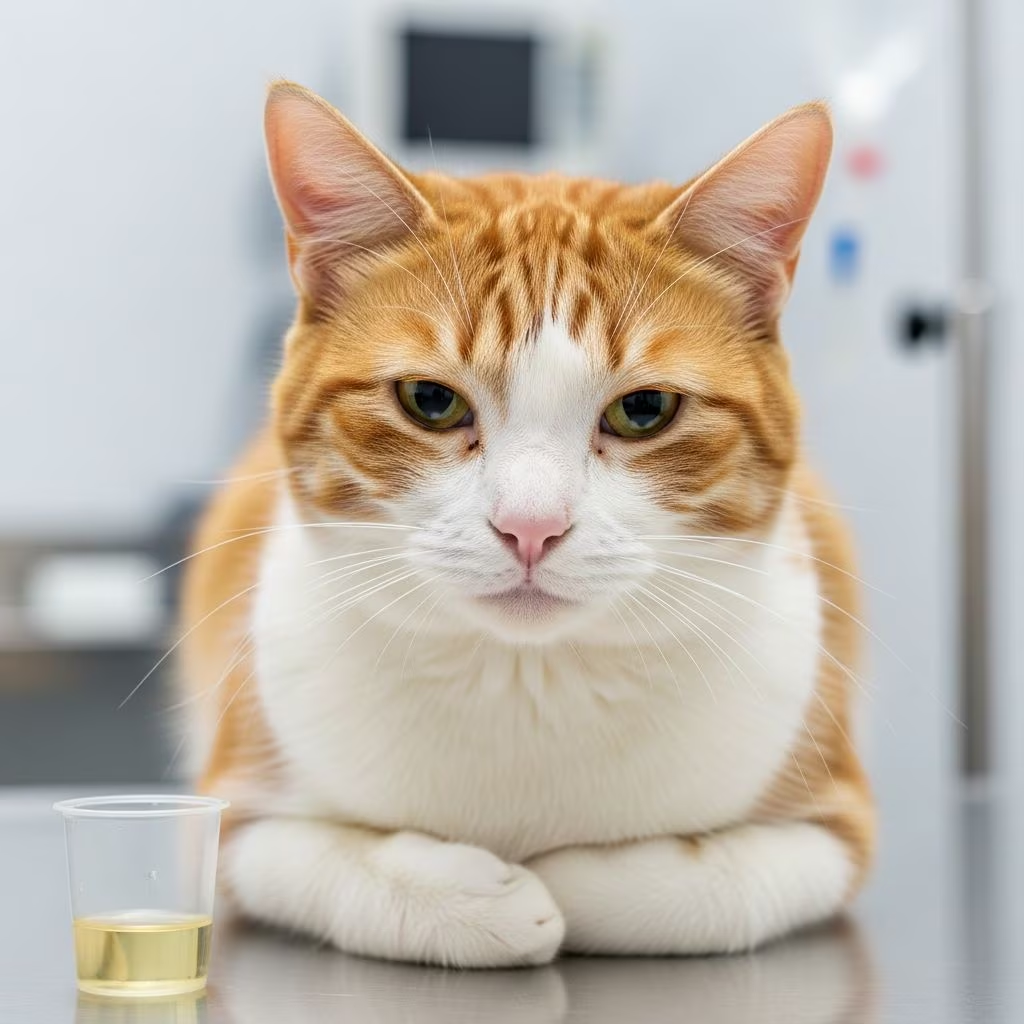
Urinary tract infections (UTIs) in cats are a common yet potentially serious health issue that can cause significant discomfort and lead to life-threatening complications if not addressed promptly. While true bacterial UTIs are less common in cats than in dogs, symptoms often overlap with feline lower urinary tract disease (FLUTD), which encompasses a range of conditions affecting the bladder and urethra. Early recognition of symptoms like straining to urinate, blood in the urine, or urinating outside the litter box is crucial for effective treatment and recovery.
Cat UTIs primarily affect the lower urinary tract, including the bladder (cystitis) and urethra. Male cats are particularly vulnerable due to their narrower urethra, increasing the risk of blockages that can prevent urination altogether—a medical emergency. Female cats may experience infections more frequently but are less prone to obstructions. Understanding the nuances between a simple UTI and broader FLUTD helps cat owners seek timely veterinary care.
What is a Cat UTI?
A cat UTI occurs when bacteria, most commonly E. coli, enter the urinary tract and multiply, leading to inflammation and infection. Unlike in humans, where UTIs are prevalent, cats more often suffer from sterile cystitis or idiopathic FLUTD, where no bacteria are present. True infections represent only about 15-20% of lower urinary tract issues in younger cats, rising to 30-50% in seniors over 10 years old.
FLUTD is an umbrella term for conditions causing similar symptoms, including urinary crystals (struvite or calcium oxalate), stones, tumors, or spasms. Stress is a major trigger for FLUTD, exacerbating symptoms even without infection. Distinguishing between these requires veterinary diagnostics like urinalysis and imaging.
Symptoms of UTI in Cats
Recognizing UTI symptoms early can prevent escalation. Cats are masters at hiding pain, so subtle changes warrant attention. Common signs include:
- Straining to urinate (dysuria): Frequent visits to the litter box with little or no urine produced.
- Blood in urine (hematuria): Urine appears pink, red, or brown.
- Frequent small urinations: Producing drops rather than streams.
- Urinating outside the litter box: Due to pain or urgency.
- Pain vocalization: Crying or howling while urinating.
- Excessive genital licking: Attempting to soothe irritation.
Advanced or emergency symptoms signaling FLUTD complications:
- Inability to urinate (anuria)—life-threatening in males.
- Lethargy, vomiting, or loss of appetite.
- Strong ammonia odor, cloudy urine, or distended abdomen.
- Increased thirst and drinking.
If your cat exhibits inability to urinate, seek emergency vet care immediately, as blockages can lead to kidney failure or bladder rupture within 24-48 hours.
Causes of Cat UTIs
Several factors contribute to cat UTIs and FLUTD:
- Bacterial infection: Ascending from the genitals, more common in females or cats with diabetes/kidney disease.
- Urinary crystals/stones: Struvite forms in alkaline urine; calcium oxalate in acidic. They irritate the tract or cause blockages.
- Stress: Triggers idiopathic cystitis, affecting up to 60% of FLUTD cases.
- Diet and hydration: Dry food diets concentrate urine, promoting crystal formation.
- Obesity, age, breed: Seniors, overweight cats, and Persians are at higher risk.
- Underlying conditions: Hyperthyroidism, diabetes increase susceptibility.
Males face higher blockage risk due to anatomy, while neutered cats may have hormonal changes affecting bladder function.
Diagnosis of Cat UTI
Veterinarians diagnose via:
- Physical exam: Palpating the bladder for pain or stones.
- Urinalysis: Checks for bacteria, blood, crystals, pH.
- Urine culture: Identifies specific bacteria and antibiotic sensitivity.
- Imaging: Ultrasound or X-rays detect stones/blockages.
- Bloodwork: Assesses kidney function, diabetes.
Results guide targeted treatment, avoiding unnecessary antibiotics for sterile cystitis.
Treatment for Cat UTI
Treatment depends on the cause but focuses on relief, infection clearance, and prevention:
- Antibiotics: 7-14 days for confirmed infections (e.g., amoxicillin). Complete the course.
- Pain relief: Anti-inflammatories like meloxicam.
- Fluid therapy: IV or subcutaneous to flush the system.
- Catheterization/surgery: For blockages, especially males.
- Diet change: Prescription urinary diets dissolve crystals.
- Acidifiers/supplements: Adjust urine pH.
Acute cases improve in days; chronic may need long-term management.
Recovery and Home Care
Most cats recover fully in 5-7 days with prompt treatment. Home care includes:
- Encouraging water intake: Fountains, wet food.
- Stress reduction: Pheromones, multiple litter boxes.
- Monitoring: Track urination, appetite; recheck urinalysis.
- Follow-up: Ensure infection clearance to prevent recurrence.
Avoid over-the-counter remedies; consult your vet.
Prevention of Cat UTIs
Proactive steps reduce risk:
| Strategy | Benefits |
|---|---|
| Increase hydration | Dilutes urine, flushes bacteria/crystals |
| Urinary prescription diet | Controls pH, dissolves stones |
| Stress management | Prevents idiopathic cystitis |
| Weight control & environment | Multiple clean litter boxes per cat |
| Regular vet checkups | Early detection in seniors |
Transition diets gradually; wet food is ideal long-term.
When to See a Vet
Any urinary symptom change requires a vet visit. Emergencies: no urine in 12-24 hours, severe pain, vomiting. Delays can be fatal.
Frequently Asked Questions (FAQs)
What are the first signs of a cat UTI?
Straining to urinate, blood in urine, frequent litter box visits with little output, and urinating outside the box.
Can cat UTIs go away on their own?
Rarely; untreated infections can lead to kidney damage or blockages. Vet care is essential.
How long does it take for a cat to recover from a UTI?
Typically 5-7 days with antibiotics, but full resolution may take weeks. Follow-up testing confirms.
Is wet food better for preventing cat UTIs?
Yes, it increases hydration and dilutes urine, reducing crystal formation.
Why do male cats get UTIs more severely?
Narrow urethra prone to blockages by crystals or inflammation, risking fatal obstruction.
References
- Cat Urinary Tract Infection – Symptoms, Treatment & Recovery — Animerge Vets. 2021-05-30. https://www.animergevets.com/site/blog/2021/05/30/cat-urinary-tract-infection
- How to Care for a Cat With a Urinary Tract Infection or Disease — Bear Creek Vet. 2023-11-30. https://www.bearcreekvetonline.com/site/blog/2023/11/30/how-care-cat-urinary-tract-infection-disease
- Cat Urinary Infection & Treatment — WCRAH Flat Rock Vet. 2021-04-29. https://www.wcrah.com/site/blog-flat-rock-vet/2021/04/29/cat-urinary-infection-treatment
- UTIs in Cats (Urinary Tract Infections in Cats) — PetMD. (Accessed 2026). https://www.petmd.com/cat/conditions/urinary/utis-cats-urinary-tract-infections-cats
- Cat Urinary Tract Infection: Symptoms, Causes, and Treatment — Mountain Veterinary Service. (Accessed 2026). https://www.mountainveterinaryservice.com/cat-urinary-tract-infection-symptoms-causes-and-treatment/
- Cat UTIs: Common Symptoms and Treatment Options — CareCredit. (Accessed 2026). https://www.carecredit.com/well-u/pet-care/cat-uti/
- Urinary Tract Infections (UTIs) in Cats — VCA Animal Hospitals. (Accessed 2026). https://vcahospitals.com/know-your-pet/urinary-tract-infections-utis-in-cats



