

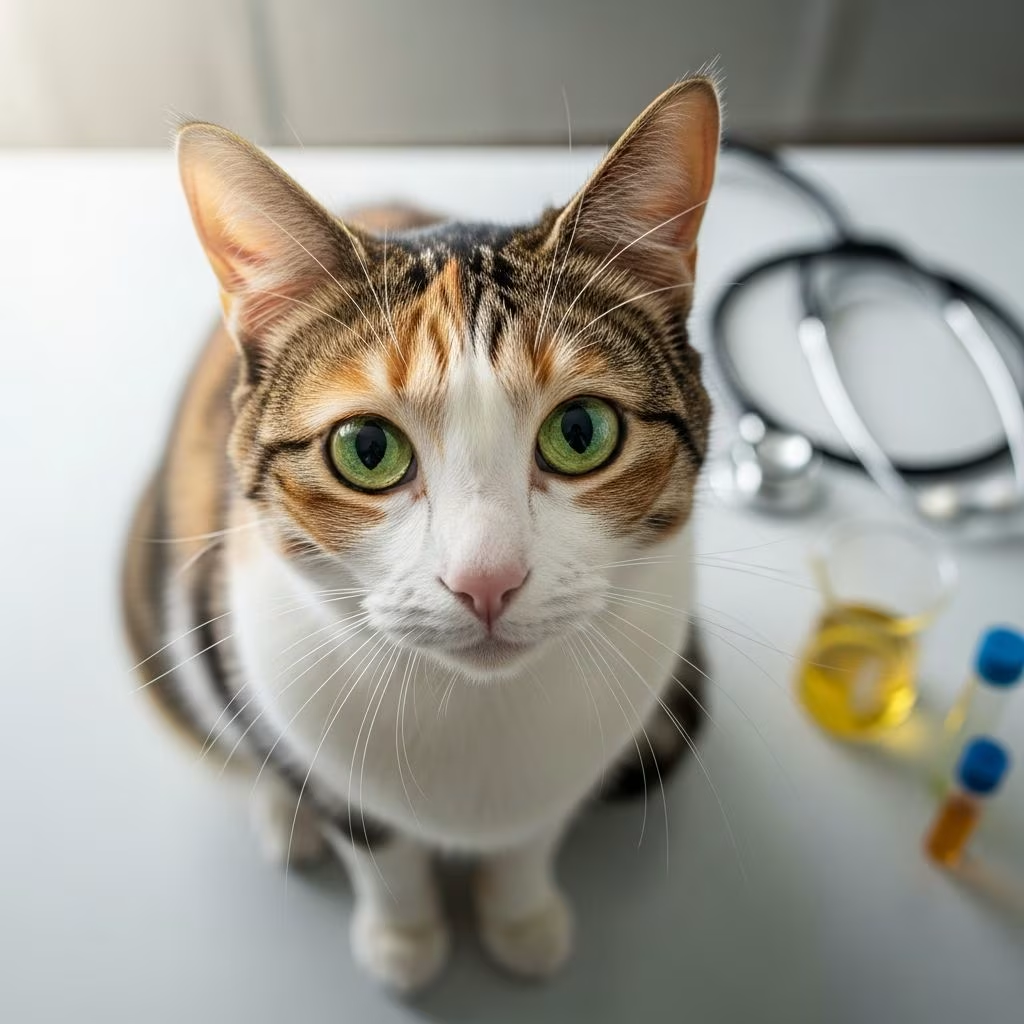
Urinary tract infections (UTIs) in cats can escalate quickly, leading to painful conditions or life-threatening blockages if ignored. Identifying symptoms early allows for timely veterinary intervention, improving outcomes for affected felines.
Understanding Feline Urinary Tract Issues
The urinary system in cats includes the kidneys, ureters, bladder, and urethra. Disruptions here, often grouped under **feline lower urinary tract disease (FLUTD)**, affect urination and comfort. While true bacterial UTIs are less common in younger cats, they rise in seniors, often alongside other factors like crystals or stress.
FLUTD encompasses various issues beyond infections, such as inflammation or stones, making symptom recognition crucial regardless of the exact cause.
Key Symptoms to Watch For
Cats mask pain well, but urinary distress shows through behavior changes. Common signs include:
- Straining or crying during urination: Indicates discomfort or partial blockage.
- Frequent small urinations: Cat visits litter box often but passes little urine.
- Blood in urine (hematuria): Urine appears pink, red, or brown.
- Urinating outside the litter box: Due to pain association or urgency; check sinks, baths, or laundry.
- Excessive genital licking: Self-soothing for irritation.
Advanced symptoms signal urgency:
- Inability to urinate (emergency in males due to narrow urethra).
- Lethargy, vomiting, or appetite loss.
- Strong urine odor or cloudy appearance.
- Increased thirst and water intake.
| Symptom | Severity Level | Action Needed |
|---|---|---|
| Straining, small amounts | Moderate | Vet visit within 24 hours |
| No urine output, distress | Critical | Emergency vet now |
| Blood in urine | High | Immediate exam |
| Litter box avoidance | Moderate | Monitor and consult vet |
Distinguishing UTI from Other Conditions
Not all urinary signs mean bacterial UTI. **Feline idiopathic cystitis (FIC)**, the most frequent FLUTD cause in cats under 10, stems from stress without infection. Uroliths (stones) like struvite or calcium oxalate irritate or block. Urethral plugs from debris mimic infections.
Seniors face higher true UTI risk from bacteria entering via weakened immunity, diabetes, or hyperthyroidism. Differentiate via vet diagnostics: urinalysis, imaging, culture.
Risk Factors for Cats
Certain profiles heighten vulnerability:
- Male cats: Narrow urethra prone to obstruction.
- Overweight or indoor-only: Low activity, dry-food diets promote crystals.
- Seniors (10+ years): Comorbidities like kidney disease.
- Stress: Multi-cat homes, changes trigger FIC.
- Diet and hydration: Insufficient water leads to concentrated urine.
Immediate Steps if Symptoms Appear
Observe closely: Note urine frequency, color, volume, location. Isolate if multi-pet home to reduce stress. Encourage water via fountains or wet food. Never medicate at home; painkillers or diuretics worsen issues.
Rush to vet for no-urine cases—urethral blockages can kill in 24-48 hours via toxin buildup.
Veterinary Diagnosis Process
Expect:
- Physical exam, history review.
- Urinalysis for bacteria, crystals, blood.
- Imaging (X-ray/ultrasound) for stones/blockages.
- Culture for specific bacteria if infection suspected.
- Bloodwork for underlying diseases.
Treatment Approaches
Tailored to cause:
- Bacterial UTI: Antibiotics based on culture; 7-14 days.
- Obstruction: Sedation, catheterization, fluids.
- Stones: Diet change, surgery if needed.
- FIC: Stress reduction, pain relief, environmental enrichment.
Supportive care: Fluids, anti-inflammatories. Recheck urinalysis post-treatment.
Preventing Recurrence
Proactive strategies reduce episodes by 50%+:
- Feed prescription urinary diets (wet preferred).
- Promote hydration: Multiple bowls, fountains.
- Maintain litter boxes: One per cat +1, scooped daily, accessible.
- Minimize stress: Pheromone diffusers, vertical space.
- Regular vet checkups, especially seniors.
FAQs on Cat Urinary Tract Infections
What does it mean if my cat is straining to pee but nothing comes out?
This signals possible blockage—emergency vet required, especially males.
Can diet cause UTI symptoms in cats?
Yes, dry foods and mineral imbalances promote crystals mimicking UTI.
Is blood in cat urine always a UTI?
No, could be stones, trauma, or cancer; full diagnostics needed.
How long can a cat live with a urinary blockage?
24-48 hours max before kidney failure; treat immediately.
Do female cats get urinary blockages?
Rarer due to wider urethra, but possible with stones or tumors.
Long-Term Management for Chronic Cases
Recurrent FLUTD may need ongoing diets, supplements like glucosamine for bladder lining. Monitor weight, activity. Behavioral consults help stress-related cases.
References
- Feline Lower Urinary Tract Disease — American Veterinary Medical Association (AVMA). 2023. https://www.avma.org/resources-tools/pet-owners/petcare/feline-lower-urinary-tract-disease
- Feline Lower Urinary Tract Disease — Cornell University College of Veterinary Medicine. 2024-02-15. https://www.vet.cornell.edu/departments-centers-and-institutes/cornell-feline-health-center/health-information/feline-health-topics/feline-lower-urinary-tract-disease
- Cat Urinary Tract Infections: Causes & Recovery — Aptos Creekside Pets. 2022-02-28. https://www.aptos-creeksidepets.com/site/blog/2022/02/28/cat-urinary-tract-infection-causes-recovery
- Urinary Tract Infections in Cats: Symptoms, Causes & Treatment — Hermitage Animal Clinic. 2024-06-15. https://www.hermitageanimalclinic.com/site/blog/2024/06/15/urinary-tract-infection-cats
- Cat UTI Symptoms and Treatment Options — CareCredit Well-U Pet Care. 2023. https://www.carecredit.com/well-u/pet-care/cat-uti/



