

Understanding Cat Urinary Tract Infections
Urinary tract infections (UTIs) are a common health concern affecting cats of all ages and breeds. A cat UTI occurs when bacteria invade the urinary system, typically affecting the bladder or urethra. Unlike some other feline health issues, UTIs in cats can range from mild to severe, and in some cases, they may even become life-threatening if left untreated. Understanding the signs, symptoms, and available treatment options is essential for any cat owner to ensure their feline companion receives prompt medical attention.
It’s important to note that urinary tract infections in cats are sometimes confused with feline lower urinary tract disease (FLUTD). While both conditions can present similar symptoms, they are distinct conditions that may require different approaches to treatment. A veterinarian can help determine whether your cat is suffering from a UTI or another urinary tract condition.
Common Symptoms of Cat UTI
Recognizing the signs of a urinary tract infection in your cat is the first step toward getting them proper treatment. Cat UTI symptoms can vary in severity and may appear suddenly or gradually. Some cats may even be asymptomatic, showing no outward signs of infection, which is why regular veterinary check-ups are important.
The most common symptoms of urinary tract infections in cats include:
- Straining to urinate — Your cat may visit the litter box frequently but produce little to no urine.
- Reduced amounts of urine — You may notice your cat urinating less frequently or in smaller quantities than usual.
- Pain or discomfort when urinating — Your cat may cry out, howl, or meow while attempting to urinate.
- Passing urine tinged with blood — The urine may appear pinkish or contain visible blood.
- Urinating outside the litter box — This is often one of the first signs cat owners notice, as their cat may suddenly eliminate in inappropriate locations.
- Inability to urinate — In severe cases, your cat may be completely unable to produce urine.
Additional Signs of Feline Urinary Tract Disease
Beyond the primary symptoms listed above, cats with UTIs or other urinary tract diseases may exhibit a range of secondary symptoms that indicate they are experiencing discomfort or illness.
- Loss of bladder control — Accidents in the house or uncontrolled urination.
- Avoidance or fear of the litter box — Your cat may associate the litter box with pain and avoid using it.
- Strong ammonia odor in urine — The urine may smell stronger than normal.
- Hard or distended abdomen — The belly may feel tense or enlarged.
- Cloudy or bloody urine — Visual changes to the appearance of the urine.
- Drinking more water than usual — Increased thirst may accompany urinary issues.
- Excessive licking of the genital area — Your cat may groom excessively due to discomfort.
- Lethargy or decreased activity — Your cat may seem tired, withdrawn, or less interested in play.
- Vomiting — In some cases, especially in male cats, vomiting may occur.
- Loss of appetite — Your cat may eat less or show disinterest in food.
- Hiding or withdrawn behavior — Cats in pain often isolate themselves.
When to Seek Emergency Care
While most cat UTIs are manageable with prompt veterinary care, certain symptoms warrant immediate emergency treatment. If your cat shows any of the following signs, contact an emergency veterinary clinic right away:
- Complete inability to urinate for more than 24 hours
- Extreme pain or distress
- Lethargy or unresponsiveness
- Vomiting persistently
- A hard, distended, or painful abdomen
An obstructed urinary tract is a medical emergency that can quickly lead to kidney failure or bladder rupture and may be fatal if not treated immediately.
Causes of Cat Urinary Tract Infections
Understanding what causes UTIs in cats can help you take preventive measures to protect your feline companion. Several factors can increase a cat’s susceptibility to developing urinary tract infections:
- Female sex — Female cats are more prone to UTIs due to their anatomy, though male cats face greater risk of urinary blockages.
- Underlying health conditions — Diabetes, kidney disease, and other health concerns can make cats more susceptible to UTIs.
- Stress — Emotional stress can trigger or worsen urinary tract problems in cats.
- Diet — Dry food can result in more concentrated urine, which may lead to urinary tract problems.
- Dehydration — Insufficient water intake increases the concentration of urine and bacterial growth.
- Poor litter box hygiene — Unsanitary conditions can increase bacterial exposure.
Diagnosis of Cat UTI
If you suspect your cat has a urinary tract infection, your veterinarian will perform a thorough examination. Diagnosis typically involves:
- A physical examination of your cat
- A urinalysis to check for the presence of bacteria, white blood cells, and other abnormalities
- A urine culture to identify the specific bacteria causing the infection
- Blood work or imaging if underlying health conditions are suspected
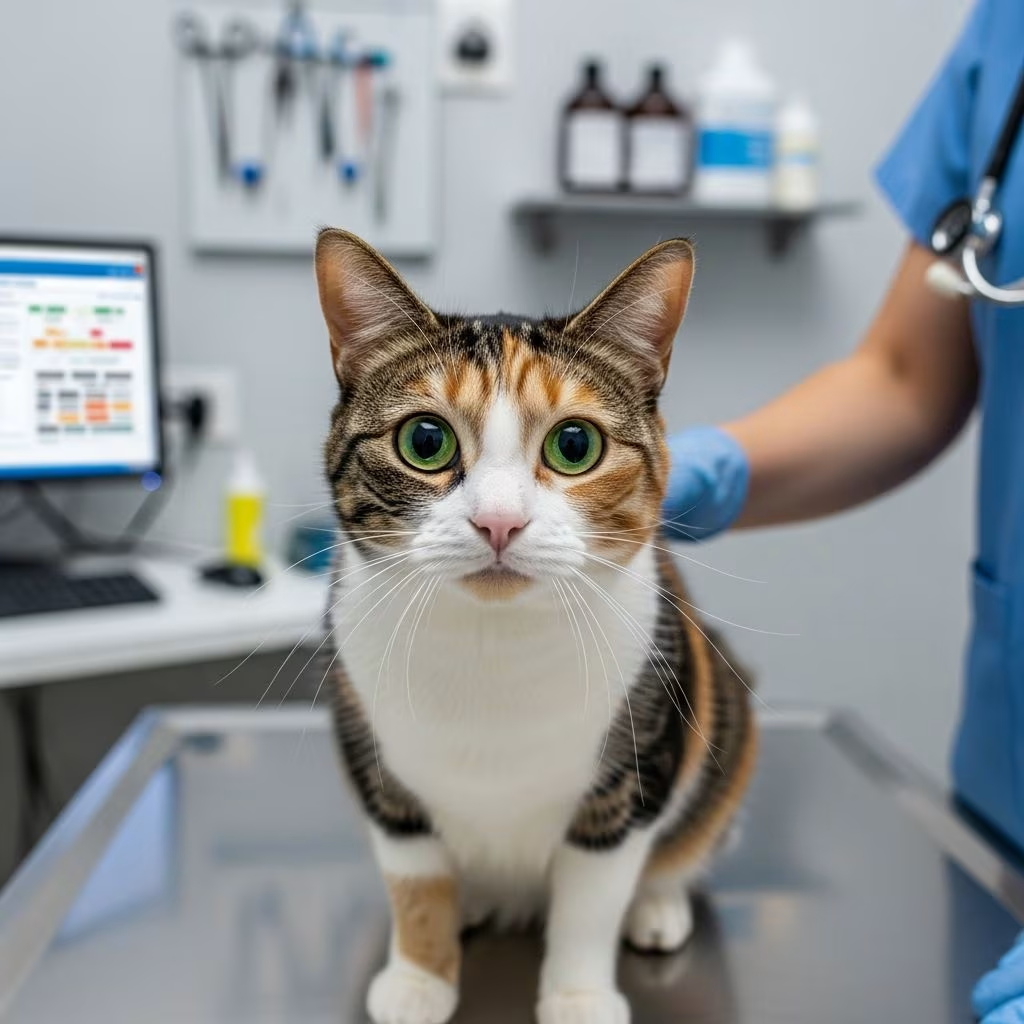
A thorough examination at a veterinary clinic can help identify potential causes and guide appropriate treatment.
Treatment Options for Cat UTI
The treatment approach for cat UTIs depends on the underlying cause and severity of the infection. Your veterinarian will recommend the most appropriate course of action based on your cat’s specific diagnosis.
Antibiotics
Antibiotics are usually the first line of treatment for cat UTIs. If bacteria are present, your veterinarian will prescribe antibiotics to clear the infection. Most often, veterinarians prescribe a course of liquid amoxicillin that you can give your cat orally at home. If your cat won’t take oral medication, your veterinarian may choose to give your cat an injectable antibiotic that will stay in your cat’s system for up to two weeks.
It’s important to complete the full course of antibiotics, even if your cat seems to feel better. Acute infections usually receive a relatively short course of antibiotics, while chronic UTIs may require longer antibiotic use. Full recovery may take 5-7 days, depending on the specific diagnosis.
Pain Management
If your cat is particularly uncomfortable, your vet may prescribe anti-inflammatory pain medication, especially if treatment is delayed a few days while waiting for test results.
Dietary Changes
Diet plays an important role in managing UTIs in cats. Veterinarians often recommend feeding an all-canned diet for a period of time or long-term, since dry foods often result in more concentrated urine, which can lead to urinary tract problems. For cats prone to urinary problems, a vet-recommended urinary health diet can help dissolve bladder crystals and prevent future infections.
Increased Water Intake
Encouraging your cat to drink more water can help flush out bacteria and prevent future issues. Providing a water fountain or adding wet food to their diet can make a difference. Try putting several water bowls around the house or get a water fountain to increase hydration. Increased fluid intake helps flush the bladder and avoid the buildup of harmful bacteria.
Additional Treatment Options
Depending on your cat’s condition, your veterinarian may recommend:
- Urinary acidifiers — These medications help maintain proper urinary pH levels.
- Fluid therapy — Intravenous or subcutaneous fluids may be administered in severe cases.
- Expelling of small stones — Some treatments help pass bladder crystals or stones through the urethra.
- Urinary catheter or surgery — Male cats with urethral blocks may require catheterization or surgical intervention to remove the obstruction.
- Stress management — Creating a calm environment, providing enough litter boxes, and using pheromone diffusers can help reduce stress-related urinary issues.
Recovery and Prognosis
When treated early and with an effective treatment and recovery plan, the prognosis for urinary issues in cats is good. Most cats fully recover within a few weeks, and most will fully recover within 7-10 days of developing a urinary tract infection. If your vet has prescribed antibiotics to treat urinary tract disease or other infections, you can expect to see your furry friend return to normal within a few days.
However, your kitty may need to stay on a canned diet to prevent recurrence and support long-term urinary health.
Prevention Strategies
Preventing future UTIs is easier than treating them. Here are some strategies to help reduce your cat’s risk:
- Maintain proper hydration — Keeping your cat hydrated helps flush the urinary system naturally.
- Provide a stress-free environment — Reduce environmental stressors that can trigger urinary issues.
- Feed a balanced diet — A nutritious diet supports overall health and urinary function.
- Keep litter boxes clean — Provide multiple litter boxes and clean them daily.
- Regular veterinary check-ups — Routine examinations can catch early signs of urinary problems.
- Monitor water intake and urination — Keep track of your cat’s bathroom habits and water consumption.
Frequently Asked Questions About Cat UTI
Q: How long does it take for a cat UTI to clear up?
A: Most cats show improvement within a few days of starting antibiotics, with full recovery typically occurring within 5-7 days for acute infections. Chronic UTIs may take longer to resolve and may require extended antibiotic therapy.
Q: Can cat UTIs go away on their own?
A: While some mild infections may occasionally resolve without treatment, it’s not recommended to wait without veterinary care. Untreated UTIs can worsen and lead to serious complications, including urinary blockages that are life-threatening.
Q: What should I feed my cat with a UTI?
A: Your veterinarian will recommend a canned or wet food diet, as these increase your cat’s water intake and help dilute urine. Avoid dry food, which can contribute to more concentrated urine. Some cats benefit from specialized urinary health diets prescribed by your vet.
Q: Are male or female cats more prone to UTIs?
A: Female cats are more prone to UTIs due to their anatomy. However, male cats face a greater risk of urinary blockages, which can be life-threatening and require emergency treatment.
Q: Can stress cause UTIs in cats?
A: Yes, stress can trigger or worsen urinary tract problems in cats. Creating a calm environment, providing adequate litter boxes, and using pheromone diffusers can help reduce stress-related urinary issues.
Q: Should I give my cat over-the-counter treatments for UTI?
A: No. Always follow your veterinarian’s advice and never give your cat over-the-counter medications or treatments without professional guidance. Your vet will prescribe appropriate antibiotics and medications based on your cat’s specific condition.
Q: How can I prevent my cat from getting a UTI?
A: Ensure your cat stays well-hydrated, provide a stress-free environment, maintain proper nutrition, keep litter boxes clean and plentiful, and schedule regular veterinary check-ups. Monitoring your cat’s urination and water intake habits can also help catch problems early.
References
- How to Care for a Cat with a Urinary Tract Infection — Atlantic Coast Veterinary Associates. 2023-08-30. https://www.atlanticcoastvet.com/site/blog-long-island-vet/2023/08/30/how-care-cat-urinary-tract-infection
- Cat Urinary Tract Infection – Symptoms, Treatment & Recovery — Animer-Gen Veterinary Services. 2021-05-30. https://www.animergevets.com/site/blog/2021/05/30/cat-urinary-tract-infection
- How to Care for a Cat With a Urinary Tract Infection or Disease — Bear Creek Veterinary Online. 2023-11-30. https://www.bearcreekvetonline.com/site/blog/2023/11/30/how-care-cat-urinary-tract-infection-disease
- UTIs in Cats (Urinary Tract Infections in Cats) — PetMD. Accessed 2026-01-15. https://www.petmd.com/cat/conditions/urinary/utis-cats-urinary-tract-infections-cats
- Cat Urinary Tract Infection: Symptoms, Causes, and Treatment — Mountain Veterinary Service. Accessed 2026-01-15. https://www.mountainveterinaryservice.com/cat-urinary-tract-infection-symptoms-causes-and-treatment/
- Cat UTIs: Common Symptoms and Treatment Options — CareCredit. Accessed 2026-01-15. https://www.carecredit.com/well-u/pet-care/cat-uti/
- Cat Urinary Tract Problems and Infections — WebMD. Accessed 2026-01-15. https://www.webmd.com/pets/cats/cat-urinary-tract-problems
- Urinary Tract Infections in Cats: Symptoms, Causes & Treatment — Hermitage Animal Clinic. 2024-06-15. https://www.hermitageanimalclinic.com/site/blog/2024/06/15/urinary-tract-infection-cats
- Emergency Cat UTI Treatment — Great Southern Veterinary Specialists. Accessed 2026-01-15. https://gsvs.org/blog/cat-uti-emergency-treatment/



