
Cat UTI Guide: Signs, Causes, Care
Discover essential insights on recognizing, treating, and preventing urinary tract infections in cats to keep your feline healthy and comfortable.
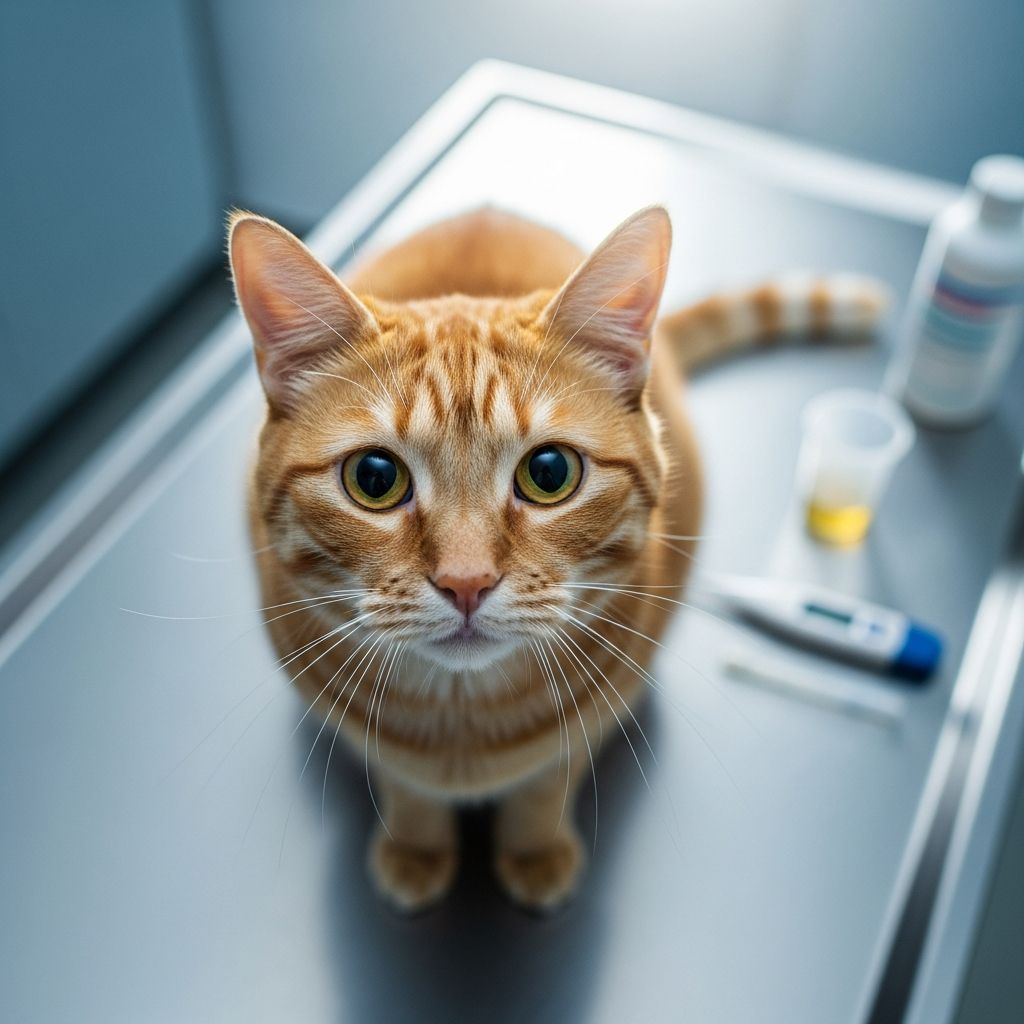
Urinary tract infections (UTIs) affect cats by causing bacterial invasions in the bladder or urethra, leading to discomfort and potential complications if untreated. These infections represent only 1-3% of feline lower urinary tract issues but demand prompt attention, especially in older cats or those with underlying conditions.
Recognizing the Warning Signs of UTI in Cats
Early detection hinges on observing behavioral and physical changes. Cats mask pain well, so subtle cues matter.
- Frequent litter box visits with little output: Cats strain repeatedly but produce minimal urine, signaling bladder irritation.
- Pain during urination: Vocalizing, crouching, or trembling indicates discomfort from inflamed tissues.
- Blood-tinged or cloudy urine: Hematuria or unusual color stems from infection-induced inflammation.
- Urinating outside the box: Pain associates the litter with agony, prompting accidents on cool surfaces like sinks.
- Excessive genital licking: Cats soothe irritated areas, often a key indicator.
- Behavioral shifts: Lethargy, reduced appetite, vomiting, or increased thirst reflect systemic effects.
A hard abdomen or strong urine odor further confirms issues. Male cats face higher blockage risks, turning mild UTIs life-threatening.
Primary Causes Behind Feline UTIs
Bacterial ascension from the urethra causes most UTIs, but predisposing factors amplify vulnerability.
| Cause | Description | Risk Factors |
|---|---|---|
| Bacterial Entry | Fecal bacteria travel via grooming or dirty litter into the short feline urethra. | Poor hygiene, obesity limiting grooming. |
| Stress-Induced Weakness | Environmental changes disrupt immunity, fostering feline idiopathic cystitis (FIC) and secondary infections. | New pets, moves, routine shifts. |
| Dehydration & Diet | Low water intake concentrates urine; mineral-rich foods form crystals irritating the tract. | Dry food dominance, low thirst drive. |
| Underlying Diseases | Diabetes, hyperthyroidism, kidney issues weaken defenses. | Older cats (over 10 years). |
| Obstructions & Stones | Plugs, crystals, or tumors block flow, trapping bacteria. | Males due to narrow urethra. |
Females suffer more from anatomy, while seniors from comorbidities.
How Vets Diagnose Cat Urinary Problems
Diagnosis starts with history and exam, ruling out mimics like stones or FIC.
- Urinalysis: Checks for bacteria, blood, crystals, pH.
- Urine Culture: Identifies specific bacteria for targeted antibiotics.
- Imaging: Ultrasound or X-rays detect stones, tumors, blockages.
- Bloodwork: Screens for diabetes, kidney function, thyroid levels.
Free-catch or cystocentesis samples ensure accuracy. Emergencies like obstructions require immediate catheterization.
Treatment Strategies for Feline UTIs
Tailored plans address infection and roots, typically resolving acute cases in days.
- Antibiotics: 7-14 day courses based on culture; common for bacterial clearance.
- Pain Relief: NSAIDs or opioids ease bladder spasms.
- Fluid Therapy: IV or subcutaneous flushes toxins, dilutes urine.
- Dietary Shifts: Prescription formulas dissolve crystals, acidify urine.
- Stress Reduction:
Pheromone diffusers, multiple boxes, play enrich environments.
Males with blockages may need surgery. Chronic cases demand monitoring to prevent recurrence.
Preventing Recurrence: Long-Term Feline Urinary Health
Proactive steps cut risks significantly.
- Increase water via fountains, wet food, flavored additives.
- Maintain clean, scooped litter boxes—one per cat plus extra.
- Feed urinary-specific kibble or canned diets low in magnesium.
- Minimize stress with stable routines, hiding spots.
- Regular vet checkups for at-risk cats (seniors, diabetics).
Weight management aids grooming, reducing bacterial entry.
When to Seek Emergency Veterinary Help
UTIs escalate fast—act on no urine in 24 hours, collapse, or bloody straining. Delays risk kidney failure or rupture.
FAQs on Cat Urinary Tract Infections
Can stress alone cause UTI symptoms in cats?
Yes, via FIC mimicking UTIs; bacteria often secondary.
Are female cats more prone to UTIs?
Indeed, shorter urethras ease bacterial access.
How long do cat UTI antibiotics take to work?
Relief in 48 hours; full course prevents resistance.
Does dry food contribute to cat UTIs?
It can by promoting crystals through low moisture.
Can home remedies treat cat UTIs?
No—vet care essential; cranberries lack evidence in felines.
Understanding Related Conditions: FLUTD Overview
Feline Lower Urinary Tract Disease (FLUTD) encompasses UTIs, stones, FIC—sharing signs but varying treatments. Only testing differentiates.
Holistic care integrates vet advice with home vigilance for thriving cats.
References
- Urinary Tract Infections (UTIs) in Cats — UrgentVet. 2023. https://urgentvet.com/urinary-tract-infections-utis-in-cats/
- Cat Urinary Tract Infection – Symptoms, Treatment & Recovery — Animerge Vets. 2021-05-30. https://www.animergevets.com/site/blog/2021/05/30/cat-urinary-tract-infection
- Cat Urinary Tract Infections: Causes & Recovery — Aptos Creekside Pets. 2022-02-28. https://www.aptos-creeksidepets.com/site/blog/2022/02/28/cat-urinary-tract-infection-causes-recovery
- UTI in Cats: Exploring the Signs, Causes, and Treatment Options — Bond Vet. 2023. https://bondvet.com/blog/uti-in-cats-symptoms-diagnosis-treatment-and-prevention
- Cat Urinary Tract Infection – What You Need To Know — Guilford Jamestown Vet. 2021-05-31. https://www.guilfordjamestownvet.com/site/blog-greensboro-vet/2021/05/31/cat-urinary-tract-infection
Similar Articles








Read full bio of Sneha Tete




