Cat Urine Smell Returns: Causes and Solutions
Discover why cat urine odors linger and return, plus proven strategies to eliminate them permanently for a fresher home.
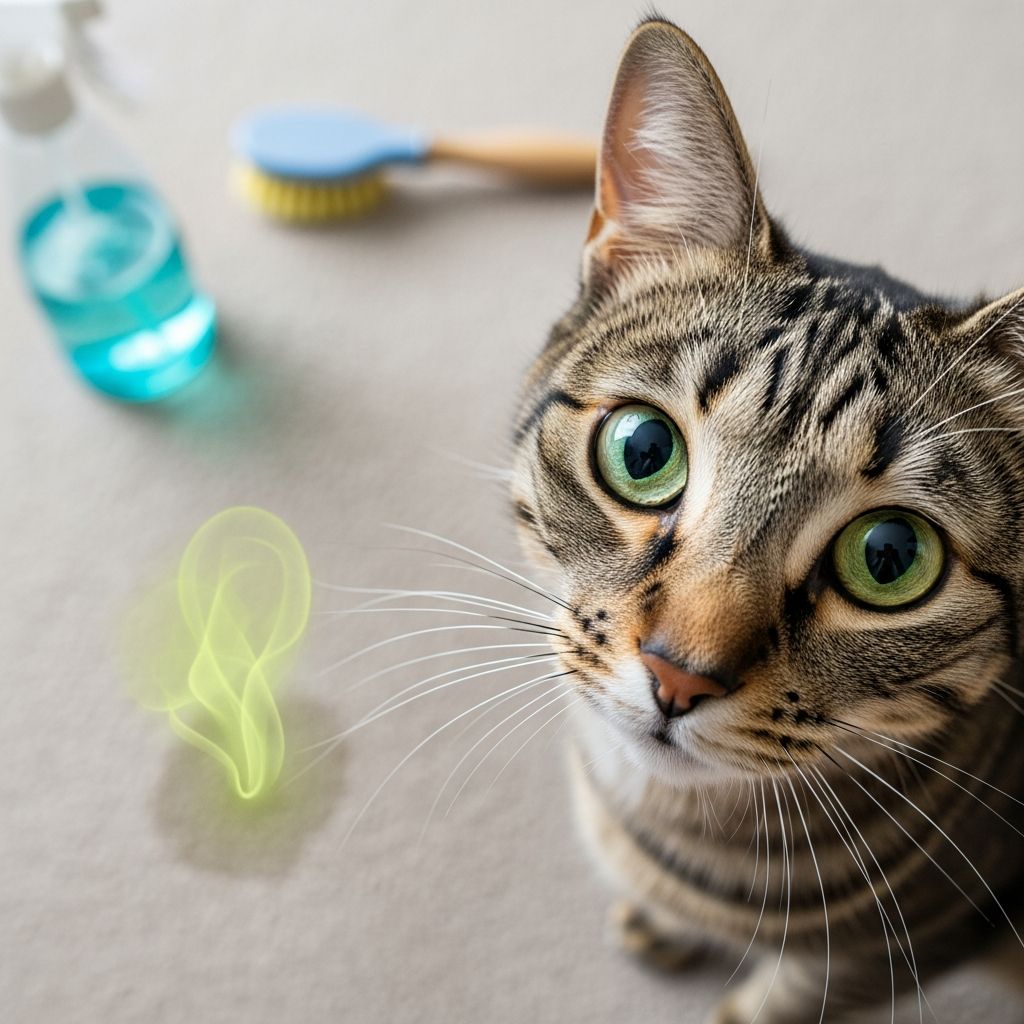
Persistent cat urine odors that reappear despite cleaning efforts stem primarily from uric acid crystals in feline urine, which resist standard cleaners and reactivate with moisture or humidity. Effective management requires addressing underlying causes like health conditions, litter habits, and improper sanitation techniques to prevent recurrence.
Understanding the Science Behind Lingering Cat Urine Odors
Cat urine contains urea, which bacteria break down into ammonia, creating the initial sharp scent familiar to pet owners. More critically, uric acid—a byproduct that crystallizes—binds to surfaces like carpets, fabrics, and hardwood, persisting for years if not fully neutralized. Humidity or temperature changes cause these crystals to dissolve and release odors anew, explaining why smells “return.”
Unlike dog urine, cat urine is highly concentrated due to their desert ancestry, making it potent even in small amounts. Compounds like urochrome add to the yellow staining and intensity, amplifying detection in enclosed spaces.
Health-Related Triggers for Strong or Recurrent Urine Smells
Medical issues often intensify urine odor or cause inappropriate elimination, leading to hidden spots that foster persistent smells. Key culprits include:
- Urinary Tract Infections (UTIs): Bacteria alter urine composition, producing foul odors. Symptoms include frequent litter box visits without output or straining.
- Dehydration: Insufficient water intake concentrates urine, heightening ammonia levels. Monitor for reduced drinking or dry gums.
- Diabetes or Kidney Disease: These metabolic conditions change urine’s chemical profile, often with increased volume or sweetness in scent.
- Bladder Stones or Crystals: Painful conditions prompt spraying or avoidance of the litter box, spreading odor sources.
Schedule a vet exam if odors coincide with behavioral shifts like vocalizing during urination or blood in urine. Early diagnosis prevents escalation.
Nutrition’s Role in Cat Urine Odor Control
Diet directly influences urine concentration and smell. High-protein foods without adequate moisture yield denser urine, while fillers or byproducts in low-quality kibble exacerbate issues.
| Diet Factor | Impact on Odor | Solution |
|---|---|---|
| High Protein, Low Moisture | Concentrated, ammonia-heavy urine | Switch to wet food or add water fountains |
| Artificial Additives | Foul, unnatural scents | Opt for premium, additive-free formulas |
| Insufficient Hydration | Stronger baseline smell | Yucca supplements reduce proteins by up to 26% |
Incorporate hydrating foods and supplements like yucca extract, which binds odor-causing proteins in the gut before they reach urine. Transition diets gradually over 7-10 days to avoid digestive upset.
Mastering Litter Box Hygiene to Prevent Odor Buildup
A dirty litter box is a primary odor source, as urine soaks into clumps, fostering bacterial growth and ammonia release. In multi-cat homes, competition leads to overflow and cross-contamination.
Daily Protocols:
- Scoop solids and liquids twice daily.
- Replace litter fully every 1-2 weeks, or use self-cleaning models for constant freshness.
- Scrub box with mild soap (no ammonia) and rinse thoroughly weekly.
Setup Best Practices:
- Rule: One box per cat + one extra.
- Location: Quiet, accessible spots in separate rooms to minimize territorial avoidance.
- Litter Choice: Clumping, unscented varieties with odor absorbers; covered boxes contain smells better.
Effective Cleaning Techniques for Existing Urine Stains
Standard cleaners fail against uric acid; enzyme-based products with live bacteria digest proteins and crystals at the molecular level.
- Blot Excess: Use paper towels to absorb fresh urine without rubbing.
- Apply Enzyme Cleaner: Saturate the area, let sit 10-15 minutes (or per label), then blot. Repeat for old stains.
- Neutralize Residue: Sprinkle baking soda, vacuum after drying; vinegar dilutes but pair with enzymes.
- Deep Clean Fabrics/Carpets: Steam clean with pet-safe solutions or enzyme detergents.
- Hard Surfaces: Outdoor enzyme sprays break down uric acid into evaporating gases.
Avoid ammonia, bleach, or steam alone—these set odors or mimic urine scent, attracting re-marking.
Stopping Inappropriate Elimination to Curb Future Odors
Cats urinate outside boxes due to stress, pain, or uncleanliness. Address root causes:
- Medical Check: Rule out UTIs, arthritis, or unspayed spraying.
- Environmental Deterrents: Cover spots with foil/plastic; place food bowls there temporarily.
- Positive Reinforcement: Add toys or catnip to soiled areas; ensure 24/7 litter access.
- Stress Reduction: Pheromone diffusers, playtime, and stable routines in multi-cat setups.
Advanced Prevention for Multi-Cat Households
Territorial marking amplifies odors. Strategies include:
- Separate boxes by personality (e.g., covered for shy cats).
- Monitor for bullying; add vertical space like shelves.
- Self-cleaning litter systems seal waste, reducing exposure.
Ventilate litter areas with fans or HEPA filters containing activated charcoal to trap airborne particles.
Frequently Asked Questions (FAQs)
Why does cat urine smell return after cleaning?
Uric acid crystals recrystallize with moisture, releasing trapped odors. Use enzymes to fully break them down.
Can diet alone fix strong cat urine smell?
It helps by diluting urine, but combine with cleaning and health checks for best results.
Is vinegar safe for cat urine cleanup?
Yes for dilution, but not alone—pair with enzymes as it doesn’t eliminate crystals.
How often should I clean the litter box?
Scoop daily, full change weekly; more in multi-cat homes.
Does neutering stop urine spraying?
Often yes, reducing marking by 90% in many cases.
Long-Term Strategies for an Odor-Free Home
Combine vet care, optimal diet, rigorous hygiene, and targeted cleaning for lasting results. Regular monitoring prevents small issues from becoming pervasive problems, ensuring harmony for you and your feline companions.
References
- Why Does Cat Urine Smell So Bad? — PrettyLitter. 2023. https://www.prettylitter.com/blog/why-does-cat-urine-smell-so-bad
- What Smells Deter Cats From Peeing? (A Veterinarian Explains) — Cats.com. 2024. https://cats.com/what-smells-deter-cats-from-peeing
- Why Does Cat Urine Smell So Strong, and How Can You Manage It? — PetSnowy. 2024. https://petsnowy.com/blogs/press-updates/why-does-cat-urine-smell-so-strong-and-how-can-you-manage-it
- 5 Tips For Preventing Your House From Smelling Like Cat Pee — Tackle Tinkle. 2023. https://tackletinkle.com/blogs/helpful-resources/5-tips-for-preventing-your-house-from-smelling-like-cat-pee
- How to Get Rid of Cat Urine Smell – 7 Easy Steps — Litter-Robot. 2024. https://www.litter-robot.com/blog/why-does-my-whole-house-smell-like-cat-urine/
- Cat Urine Outside — Simple Green. 2023. https://simplegreen.com/cleaning-tips/pets/cat-urine-outside/
- Foul-Smelling Felines: What Causes Cat Odor and How to Combat It — NutriSource Pet Foods. 2024. https://nutrisourcepetfoods.com/blog/pet-parents/foul-smelling-felines-what-causes-cat-odor-and-how-to-combat-it/
Similar Articles



Read full bio of Sneha Tete