

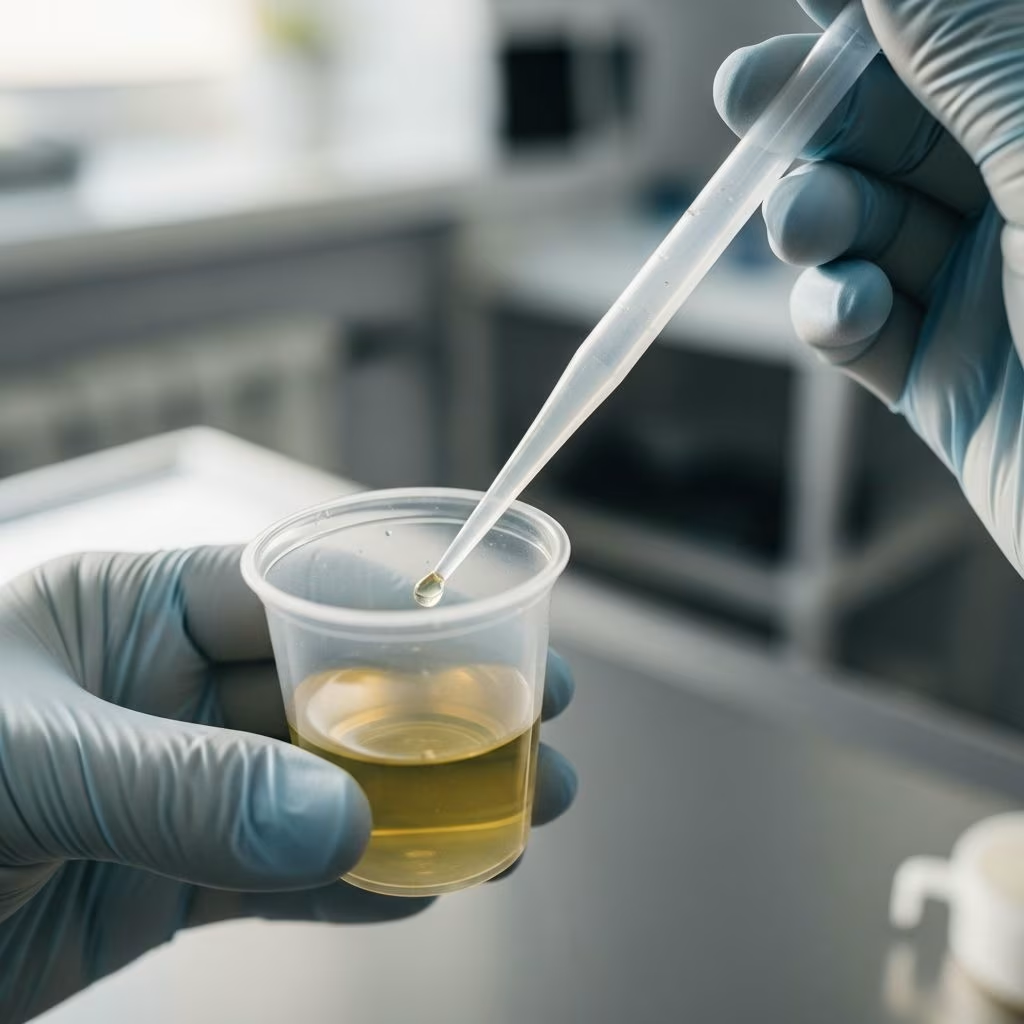
Collecting a urine sample from a cat is a vital step for diagnosing conditions like urinary tract infections, diabetes, and kidney disease. This process ensures veterinarians receive clean, uncontaminated samples for accurate urinalysis, which examines physical traits, chemical composition, and microscopic elements.
Why Urine Testing Matters for Cats
Urine analysis provides key insights into a cat’s health. It reveals hydration levels, pH balance, presence of crystals, bacteria, or blood, and protein or glucose concentrations. Early detection through proper sampling can prevent serious issues like feline lower urinary tract disease (FLUTD).
Timing impacts results: early morning samples are ideal as overnight bladder storage concentrates urine, aiding tubular function assessment and cast detection.
Home Collection Techniques
Most cats urinate in litter boxes, making home collection practical. Use clean, non-absorbent materials to avoid contamination and preserve sample integrity.
Non-Absorbent Litter Methods
- Specialty Litters: Products like hydrophobic sand (e.g., Kit4Cat) or NoSorb beads repel urine, allowing pooling for easy extraction. Clean the tray thoroughly first, add the litter, and wait for use.
- Plastic Sheeting: Layer saran wrap or place the tray in a plastic bag over regular litter. Cats feel the familiar texture but urine pools on the surface for syringing.
- Shredded Paper or Gravel: Magazine shreds or aquarium gravel (<4mm particles) work for free-catch; validated for some analyses like UCCR.
Steps: Remove regular litter, rinse/dry tray, add material, confine cat if needed (e.g., lock flap), check frequently, remove feces promptly. Use gloves, syringe/dropper to extract 5-10ml into a sterile pot, label with name/time/date.
Enclosed Space Strategy
For elusive cats, use a small bathroom or laundry room without rugs. Provide food/water; cat may urinate within hours. Place a flat container like a meat tray or margarine tub for direct catch.
| Method | Pros | Cons | Best For |
|---|---|---|---|
| Non-Absorbent Litter | Uses familiar box; minimal stress | May need multiple tries | Litter-trained cats |
| Plastic Sheeting | Keeps litter feel | Messy cleanup | Texture-picky cats |
| Enclosed Room | High success rate | Takes time/space | Uncooperative cats |
Professional Collection Options
If home efforts fail, vets offer reliable alternatives.
Cystocentesis: Gold Standard
This needle aspiration from the bladder yields sterile samples ideal for cultures. Performed ultrasound-guided if needed, especially in FLUTD cases with small bladders. Cats tolerate it well; withhold litter 2 hours prior.
Catheterization
A sterile tube enters the urethra to the bladder. Suitable for cultures but requires expertise to avoid trauma.
Sample Handling and Storage
Freshness is crucial: process within 2 hours ideally, or refrigerate up to 8 hours. Use clear, leakproof, sterile containers (e.g., 70ml flat-bottomed pots). Label fully. For dipsticks, test pre-centrifugation on fresh or warmed refrigerated urine.
- Avoid diuretics/fluids for routine tests; okay for cultures.
- Midstream for voided cultures to minimize contamination.
Common Hurdles and Fixes
Cat Refusal: Habituate gradually with regular litter first. Try morning after overnight confinement.
Outdoor Cats: Confine indoors; use enticing room.
Multi-Cat Homes: Isolate target cat.
Reuse washed non-absorbent litter after thorough drying.
Preparing for Vet Visit
Call ahead for specifics (e.g., morning sample). Bring syringe/pot if provided. If clinic stay needed, they mimic home methods or do cystocentesis.
FAQs
How much urine is needed?
Typically 5-10ml suffices for standard tests.
Can I use regular litter?
No, it absorbs urine; opt for non-absorbent.
Is cystocentesis painful?
Minimal discomfort; quick and safe under vet care.
What if sample contaminates?
Rediscuss with vet; they assess usability.
How to store overnight?
Refrigerate in sterile pot; deliver ASAP.
Advanced Tips for Reliability
For chemical accuracy, avoid leaching by brief dipstick immersion. Centrifuge in conical tubes post-analysis. Early catch enhances concentration for pH/casts.
References
- Practical urinalysis in the cat: 1: Urine macroscopic examination ‘tips … — PMC/NCBI. 2024. https://pmc.ncbi.nlm.nih.gov/articles/PMC11148903/
- How to collect a urine sample from your cat — PDSA. 2023. https://www.pdsa.org.uk/pet-help-and-advice/pet-health-hub/other-veterinary-advice/how-to-collect-a-urine-sample-from-your-cat
- Collecting a Urine Sample from a Cat — Healing Paws Veterinary Care. 2023. https://healingpawscarlisle.com/blog/collecting-a-urine-sample-from-a-cat/
- Urine Sample – Cat Form — Town and Country Veterinary Services. 2023. https://towncountryvet.com/urine-sample-cat-form/
- Urine sample collection at home — Vetwest Veterinary Clinics. 2023. https://www.vetwest.com.au/pet-library/urine-sample-collection-at-home/



