

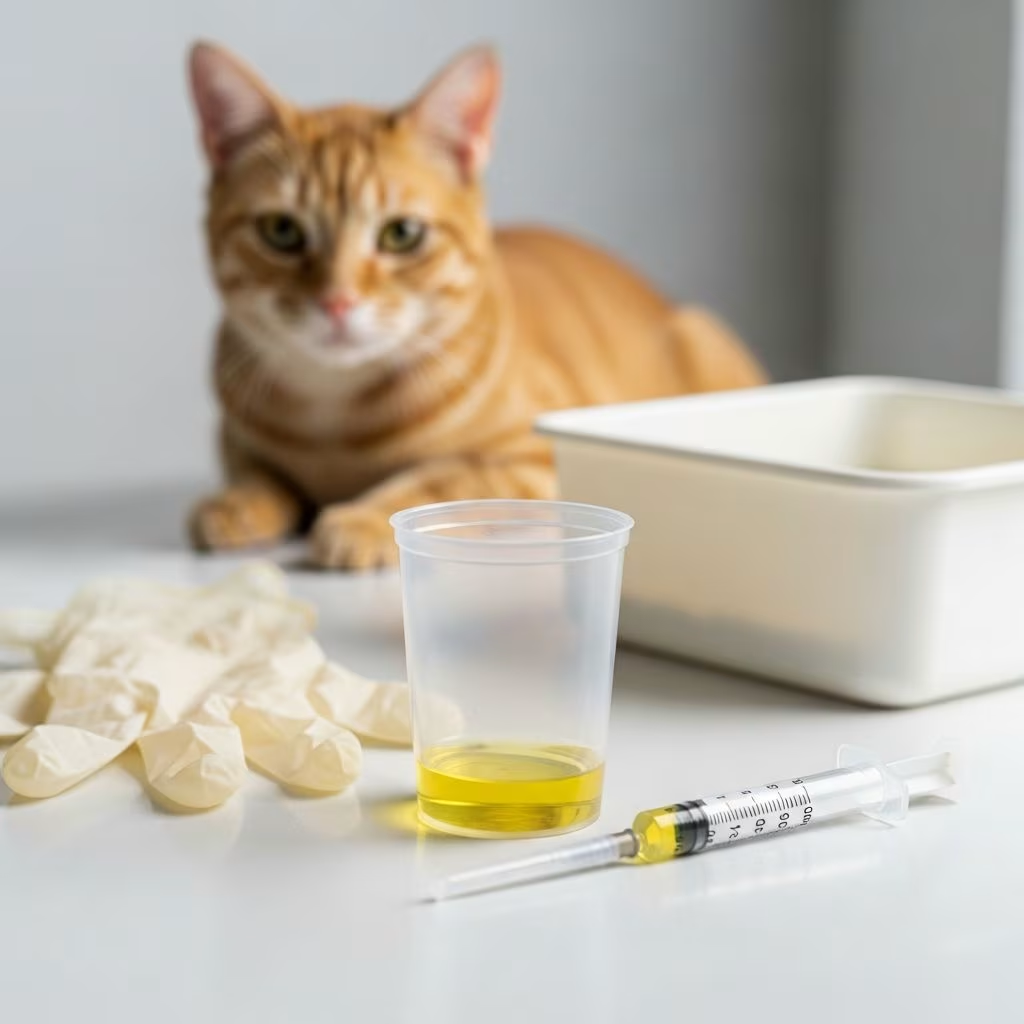
Obtaining a urine sample from your cat is a key diagnostic step that helps veterinarians identify issues like infections, crystals, or kidney problems early. This process, though sometimes challenging due to cats’ elusive nature, empowers owners to contribute directly to their pet’s care. Understanding the right techniques ensures the sample remains uncontaminated and viable for accurate testing.
Why Urine Testing Matters for Cats
Urine analysis reveals critical insights into a cat’s kidney function, hydration levels, and urinary tract health. Parameters such as specific gravity assess kidney concentrating ability, while microscopic exams detect cells, crystals, or bacteria indicative of disease. Early detection through urinalysis can prevent severe conditions like bladder stones or chronic kidney disease, common in felines.
Veterinarians prioritize urine tests during routine checkups or when symptoms like frequent urination, blood in urine, or straining appear. A clean sample allows for precise evaluation of pH, protein levels, and sediment, guiding effective treatment plans.
Home Collection Techniques for Cat Urine
Collecting urine at home minimizes stress for your cat and allows flexibility. Start by consulting your vet for specific instructions and supplies, such as sterile containers or non-absorbent litter kits.
Non-Absorbent Litter Method
This popular approach uses special plastic pellets or beads that don’t soak up urine, available from veterinary clinics.
- Clean the litter box thoroughly with soap and warm water, then rinse well to remove residues.
- Fill with non-absorbent litter and place in the cat’s usual spot.
- Monitor your cat and collect urine promptly using a syringe, spoon, or pipette into a sterile container.
- Avoid fecal contamination, as it skews results.
This method works well for most cats accustomed to their routine litter box location.
Plastic Wrap or Liner Technique
For cats resistant to new litter, layer plastic wrap or a trash bag liner over regular litter.
- Empty and clean the box, then spread a thin layer of clay litter.
- Line with plastic sheeting, pressing it flat against the litter so paws feel familiar texture.
- Once urine pools on the plastic, siphon it with a provided syringe.
- Ensure the plastic is taut to encourage normal use.
This preserves the cat’s comfort while capturing a clean sample.
Free-Catch Approach in Confined Spaces
Position your cat in a small, enclosed area like a bathroom to predict urination.
- Remove absorbent items and provide food/water to stimulate urination.
- Slide a sterile cup under the midstream urine flow as the cat urinates.
- Fill only halfway and seal tightly.
Though messier, this non-invasive method suits urgent needs.
Professional Collection Methods at the Vet
When home efforts fail, vets use advanced techniques for sterile samples.
Cystocentesis: Direct Bladder Aspiration
The gold standard for purity, this involves ultrasound-guided needle insertion through the abdominal wall into a full bladder. Urine draws directly into a syringe, bypassing contamination risks. Cats often tolerate it well despite its invasive sound, especially with a full bladder after withholding litter access for 2-4 hours. Ideal for bacterial cultures and kidney assessments.
Catheterization Procedure
A narrow sterile catheter threads through the urethra into the bladder. Less invasive than cystocentesis, it’s useful for males or when voluntary samples aren’t feasible. Attaches to a syringe for withdrawal, though slight contamination risk remains.
| Method | Pros | Cons | Best For |
|---|---|---|---|
| Free-Catch (Home) | Non-invasive, owner-led | Contamination risk | Routine checks |
| Non-Absorbent Litter | Cat-friendly, clean | Requires special litter | Home use |
| Cystocentesis | Most sterile | Invasive, needs full bladder | Infections, cultures |
| Catheterization | Moderately sterile | Urethral irritation possible | Male cats |
Handling and Transporting Your Sample
Time is critical; analyze within 1 hour ideally, or refrigerate for up to 12 hours max. Use vet-provided sterile cups—household ones may harbor bacteria. Label with your cat’s name, collection time, and contact info. Protect from light by wrapping in a brown bag if refrigerating. Avoid freezing, as it damages cells for sediment analysis.
Understanding Urinalysis Results
Once at the lab, tests break down into physical, chemical, and microscopic components.
- Specific Gravity: Measures concentration; low values signal kidney issues or overhydration.
- pH and Chemicals: Detects glucose, protein, ketones, or blood.
- Sediment Exam: After centrifugation, checks for crystals, bacteria, casts.
- Culture: Grows bacteria to identify infections and antibiotic sensitivity.
Discuss results with your vet, as interpretations vary by age, diet, and health history.
Frequently Asked Questions (FAQs)
How fresh does a cat urine sample need to be?
Process within 1-2 hours; refrigerate if delayed, testing within 8-12 hours to prevent degradation.
Can I use a clean jar from home?
No, get a sterile container from your vet to avoid contaminants affecting accuracy.
What if my cat won’t use the special litter?
Try plastic wrap methods or confine to a small room; schedule cystocentesis if needed.
Is cystocentesis painful for cats?
Most cats tolerate it well with minimal discomfort, often better than expected.
How much urine is required?
Typically 5-10 ml suffices for full analysis; half-fill sterile cups.
Preventing Urinary Issues in Cats
Proactive care reduces sampling needs: ensure fresh water, wet food diets, clean boxes, and regular vet visits. Monitor for signs like straining or accidents, prompting early sample collection. Stress management via environmental enrichment also aids urinary health.
By mastering these techniques, cat owners become vital partners in health monitoring, leading to better outcomes and happier pets.
References
- Take a Urine Sample — Holly Ridge Veterinary Hospital. Accessed 2026. https://hollyridgevetcare.com/take-a-urine-sample/
- Urinalysis — VCA Animal Hospitals. Accessed 2026. https://vcahospitals.com/know-your-pet/urinalysis
- How To Collect A Urine Sample — State College Veterinary Hospital. Accessed 2026. https://www.statecollegevethosp.com/how-to-collect-a-urine-sample.pml
- Collecting a Urine Sample from a Cat — Healing Paws Veterinary Care. Accessed 2026. https://healingpawscarlisle.com/blog/collecting-a-urine-sample-from-a-cat/
- Urinalysis for Cats and Dogs: Why Is It Important? — PetMD. Accessed 2026. https://www.petmd.com/procedure/urinalysis-for-cats-and-dogs
- Urine Sample – Cat Form — Town and Country Veterinary Services. Accessed 2026. https://towncountryvet.com/urine-sample-cat-form/



