

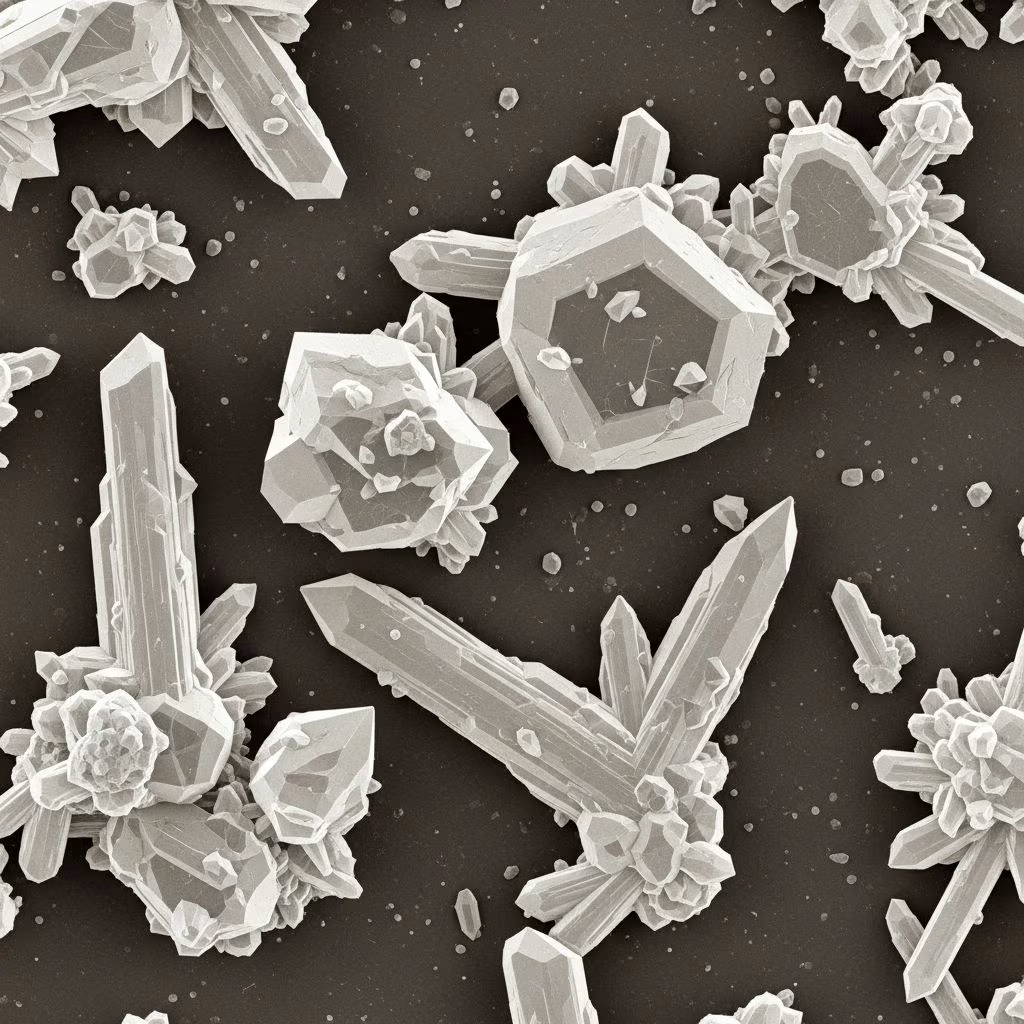
Urinary crystals in cats form when minerals in the urine concentrate and solidify, potentially leading to irritation, stones, or life-threatening blockages, especially in males with narrow urethras. Early detection and management are crucial for feline health.
The Science Behind Urinary Crystal Formation
Crystals develop from minerals such as magnesium, phosphate, calcium, and ammonium that exceed saturation levels in the urine. Factors like concentrated urine from dehydration, alkaline or acidic pH imbalances, high-mineral diets, urinary tract infections (UTIs), stress, obesity, and genetics contribute significantly. Struvite crystals thrive in alkaline urine often linked to bacterial infections producing urease, while calcium oxalate crystals favor acidic conditions. Cats’ low thirst drive exacerbates this, particularly with dry food diets causing chronic dehydration and mineral buildup.
Recognizing Warning Signs in Your Cat
Symptoms mimic other urinary issues but demand prompt attention. Watch for straining during urination, frequent litter box visits with little output, blood-tinged urine, excessive genital licking, vocalizing in pain, lethargy, appetite loss, or inappropriate elimination. In blockages, no urine production escalates to vomiting, abdominal pain, and collapse—a veterinary emergency. Females may show subtler signs due to wider urethras, but both genders risk complications like inflammation or stone formation.
Types of Urinary Crystals and Stones
| Crystal Type | Formation Conditions | Common Associations |
|---|---|---|
| Struvite | Alkaline urine (pH >7) | UTIs, dry food diets, dehydration |
| Calcium Oxalate | Acidic urine (pH <6.5) | Genetic factors, high-calcium/oxalate intake |
Struvite types often dissolve with diet changes, while oxalate varieties typically require intervention due to stubborn nature. Microscopic crystals may pass harmlessly, but accumulation irritates tissues.
Veterinary Diagnosis Process
Diagnosis starts with urinalysis to detect crystals, pH, blood cells, bacteria, and concentration. Red/white blood cells indicate irritation/infection; imaging like X-rays or ultrasound reveals stones or blockages. Vets assess if crystals are incidental or problematic, considering symptoms and obstruction risk. Free-catch or cystocentesis samples provide accurate data.
Effective Treatment Strategies
Treatment targets crystal type, symptoms, and underlying causes. Non-obstructed cases involve:
- Dietary shifts: Prescription foods acidify urine for struvite or balance minerals for oxalate, often dissolving struvites in weeks.
- Hydration boost: IV fluids or home encouragement via wet food, fountains, broth additives.
- Medications: Antibiotics for UTIs, anti-inflammatories for pain.
- Stress reduction: Environmental enrichments, pheromones.
Obstructions demand hospitalization: urethral flushing, catheterization, or perineal urethrostomy surgery. Calcium oxalate stones may need cystoscopy or surgery. Follow-up urinalysis monitors progress.
Long-Term Prevention Tactics
Prevent recurrence by diluting urine and balancing chemistry:
- Increase moisture intake: Prioritize wet food (70-80% water) over dry to mimic natural prey hydration.
- Multiple water sources: Fountains, flavored water encourage drinking.
- Specialized diets: Ongoing urinary formulas reduce mineral risks.
- Lifestyle adjustments: Weight management, play for activity, low-stress homes.
- Regular vet checks: Annual urinalysis for at-risk cats (males, breeds like Persians).
Not all crystals require action; asymptomatic ones often resolve naturally.
Risks and Complications
Untreated crystals inflame the tract, form plugs/stones, or block urine flow, risking kidney damage or rupture. Males face higher blockage odds; repeated episodes may necessitate surgery. Chronic cases link to idiopathic cystitis.
FAQs on Feline Urinary Crystals
Are crystals always dangerous for cats?
No, microscopic crystals are common and often benign unless symptomatic or prone to stones/blockages.
Can diet alone fix urinary crystals?
Yes for struvites via prescription diets; oxalates need combined approaches.
How do I encourage my cat to drink more?
Use running fountains, wet food, multiple bowls, or tuna-flavored water.
Is surgery common for crystal issues?
Reserved for persistent blockages or non-dissolvable stones.
Why are male cats more affected?
Narrow urethras trap crystals easily, causing emergencies.
Nutritional Comparison for Urinary Health
| Diet Type | Moisture Content | Crystal Risk Impact | Best For |
|---|---|---|---|
| Dry Kibble | 10% | High (concentrates urine) | Not ideal |
| Wet Food | 78% | Low (dilutes minerals) | Prevention |
| Prescription Urinary | Varies | Very Low (pH/mineral control) | Treatment |
When to Seek Immediate Vet Care
- No urine in 24 hours
- Straining with cries
- Bloody urine + lethargy
- Vomiting or weakness
Act fast—blockages can kill within days.
References
- Crystals in Cat Urine: Why They Form and How Vets Treat Them — Partners Veterinary Wellness. 2023. https://partnersvetwl.com/crystals-in-cat-urine-why-they-form-and-how-vets-treat-them/
- Urinary crystals in cats: Causes, symptoms + treatment — Bella+Duke. 2024. https://www.bellaandduke.com/cats/expert-advice-cats/cat-health/urinary-crystals-in-cats-causes-symptoms-treatment/
- What you need to know about urinary crystals in cats — Vetster. 2024. https://vetster.com/en/wellness/what-you-need-to-know-about-urinary-crystals-in-cats
- Guide to Crystals in Cat Urine [Causes & Treatments] — RAWZ Natural Pet Food. 2023. https://rawznaturalpetfood.com/cat-urine-crystals-struvite/
- Crystalluria in Cats — VCA Animal Hospitals. 2024. https://vcahospitals.com/know-your-pet/crystalluria-in-cats
- Urine Crystals and Bladder Stones in Cats — PetMD. 2024. https://www.petmd.com/cat/conditions/urinary/urine-crystals-and-bladder-stones-in-cats



