

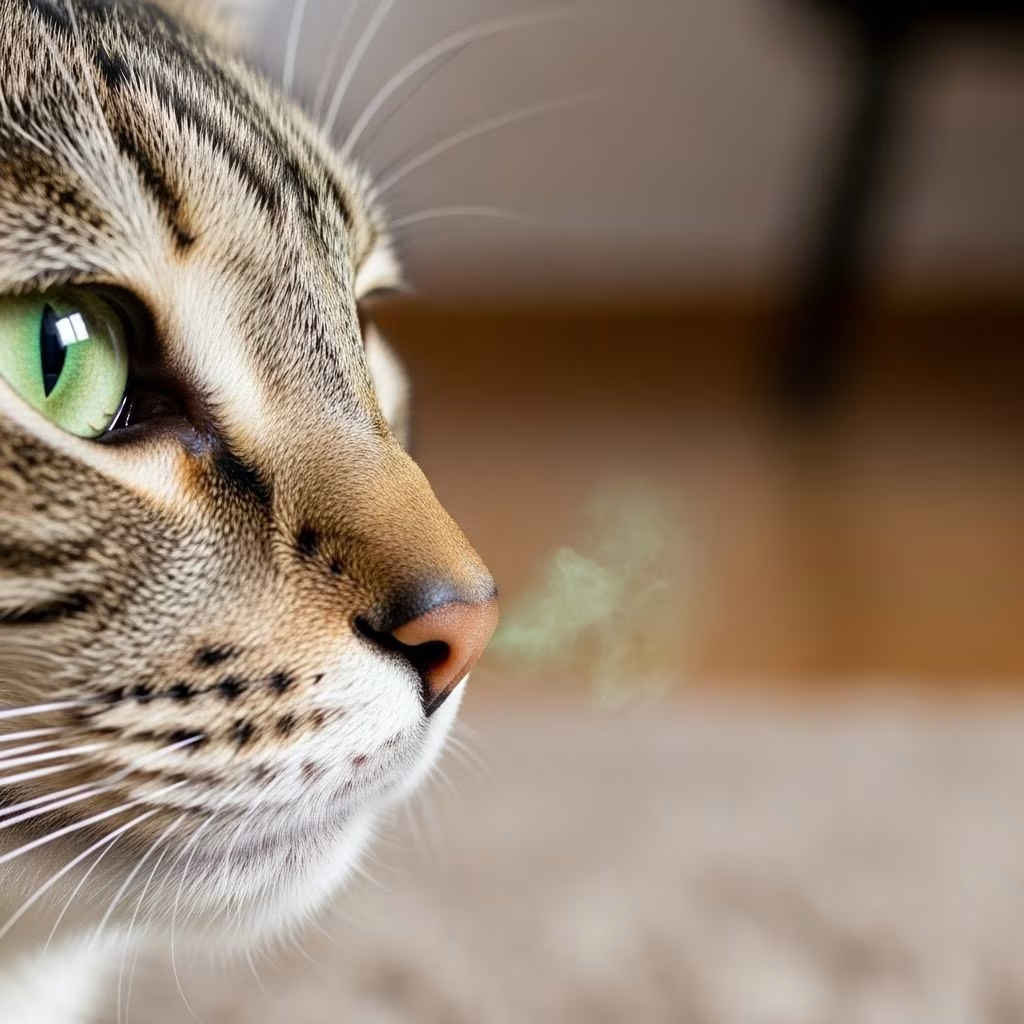
Cat urine often develops a sharp ammonia-like smell due to the natural breakdown of urea by bacteria, but intensified odors can signal underlying health issues or poor litter hygiene. Understanding this phenomenon helps pet owners maintain a fresh home and monitor feline well-being effectively.
The Science of Cat Urine Composition
Cat urine stands out for its potency compared to other pets because of its unique chemical makeup. Primarily, it contains high levels of **urea**, a nitrogenous waste product from protein metabolism. When exposed to air, bacteria rapidly decompose urea into ammonia gas, creating that familiar pungent scent.
Additionally, uric acid and creatinine contribute to the odor profile. Uric acid forms persistent crystals that cling to surfaces, reactivating the smell with moisture. Cats also excrete felinine, a sulfur-rich amino acid unique to felines, which breaks down into compounds like 3-methyl-3-sulfanylbutan-1-ol (MMB), amplifying the skunky notes over time. Male cats, especially unneutered ones, produce even stronger odors due to steroids and pheromones like cauxin.
- Urea breakdown: Primary source of ammonia.
- Uric acid crystals: Cause lingering smells on fabrics and floors.
- Felinine and mercaptans: Add sulfurous, skunk-like undertones.
Everyday Factors Intensifying Ammonia Smells
Not every strong odor indicates illness; daily habits play a big role. Cats have efficient kidneys that produce highly concentrated urine with less water and more waste, naturally leading to potent smells.
Dehydration’s Role
Inadequate water intake results in darker, more concentrated urine packed with ammonia precursors. Cats often ignore water bowls, preferring running water or wet food, so dehydration exacerbates odors. Encourage hydration with fountains or flavor additives to dilute urine.
Dietary Influences
High-protein diets, common in commercial cat foods, boost urea production. Chicken-based proteins are frequent culprits, leading to stronger post-decomposition smells. Switching to lower-protein or novel protein formulas may help, but consult a vet first.
Litter Box Neglect
Infrequent scooping allows urine to sit, promoting bacterial growth and ammonia release. Even clean-looking litter can harbor deep-seated crystals. Aim for daily maintenance in multi-cat homes.
| Factor | Impact on Odor | Solution |
|---|---|---|
| Dehydration | Concentrated urine | Water fountains, wet food |
| High-protein diet | Increased urea | Balanced nutrition |
| Poor litter hygiene | Bacterial breakdown | Daily scooping |
Health Conditions Behind Abnormal Odors
A sudden or unusually intense ammonia smell warrants veterinary attention, as it may reflect medical problems. Fresh urine shouldn’t overpower rooms immediately.
Urinary Tract Infections (UTIs)
UTIs cause foul, fishy, or amplified ammonia odors from bacterial overgrowth. Symptoms include frequent urination, straining, or accidents outside the box. Antibiotics typically resolve these common feline issues.
Kidney Disease
Chronic kidney disease (CKD) impairs filtration, concentrating urine and intensifying smells. Older cats are prone; watch for increased thirst, weight loss, and lethargy. Early diagnosis via bloodwork improves outcomes.
Other Concerns: Diabetes and Crystals
While diabetes often yields sweet smells, advanced cases overlap with ammonia notes. Urinary crystals or stones irritate the bladder, altering odor and causing blockages—emergencies in males.
- Fishy smell: Likely UTI.
- Sweet/fruity: Diabetes indicator.
- Persistent ammonia: Kidney issues or dehydration.
Effective Strategies for Odor Elimination
Combating cat urine smells requires targeting the source: enzymes break down proteins and crystals that regular cleaners miss.
Litter Box Optimization
Choose litters with high absorbency, clumping ability, and odor neutralizers like baking soda. Avoid plastic boxes long-term, as they absorb smells. Self-cleaning options reduce exposure time.
Cleaning Accidents
For carpets or fabrics, soak with enzyme cleaners, let dwell, then blot. Avoid steam cleaners, which set crystals. Air dry and repeat as needed. Baking soda or vinegar aids neutral areas.
- Locate all spots with blacklight.
- Apply enzyme solution generously.
- Allow 24-hour dwell time.
- Vacuum or rinse thoroughly.
Home-Wide Freshness
Ventilate, use air purifiers with HEPA filters, and pet-safe diffusers. Confirm it’s urine—not mold or plants—via smell tests.
Preventive Measures for Long-Term Control
Proactive steps minimize issues. Neutering males curbs marking hormones. Regular vet checkups catch problems early.
- Multiple boxes for multi-cat households (n+1 rule).
- Hydration boosters like broth in water.
- Diet tweaks under vet guidance.
- Weekly deep litter box washes.
Common Myths About Cat Urine Odors
Myth: All strong smells are normal. Reality: Persistent issues signal health flags.
Myth: Scented litters fully solve problems. Reality: They mask; absorption is key.
Myth: Ammonia cleaners help. Reality: They mimic urine, encouraging remarking.
Frequently Asked Questions (FAQs)
Why does my cat’s urine smell stronger than my dog’s?
Cats’ urine is more concentrated with felinine and uric acid, decomposing into potent ammonia and sulfur compounds.
Is ammonia smell in litter box dangerous?
High exposure irritates eyes/respiratory system; good ventilation and cleaning prevent risks.
How often should I change cat litter?
Scoop daily, full change every 1-2 weeks depending on cat count.
Can diet alone fix strong urine smells?
It helps with concentration but not infections; vet evaluation first.
What if my cat pees outside the box with bad smell?
Rule out UTIs, stress, or box aversion; medical check urgent.
References
- Why Does My Cat’s Pee Smell So Bad? — Arm & Hammer. 2023. https://www.armandhammer.com/en/articles/cat-urine-smells-like-ammonia-strong-pee-smell
- How to Get Rid of Cat Urine Smell – 7 Easy Steps — Litter-Robot. 2024. https://www.litter-robot.com/blog/why-does-my-whole-house-smell-like-cat-urine/
- What Can I Give My Cat for a Very Strong Urine Smell? — Pet Parents Brand. 2023. https://petparentsbrand.com/blogs/wellness/what-can-i-give-my-cat-for-very-strong-urine-smell
- Why Your Cat’s Pee Smells Bad and What You Can Do — Neakasa. 2024. https://neakasa.com/blogs/all/why-does-cat-pee-smells-bad
- Cat Chemistry — American Scientist. 2022. https://www.americanscientist.org/article/cat-chemistry
- Why does cat urine smell so bad and what can I do about it? — McGill Office for Science and Society. 2023. https://www.mcgill.ca/oss/article/you-asked/why-does-cat-urine-smell-so-bad-and-what-can-i-do-about-it



