

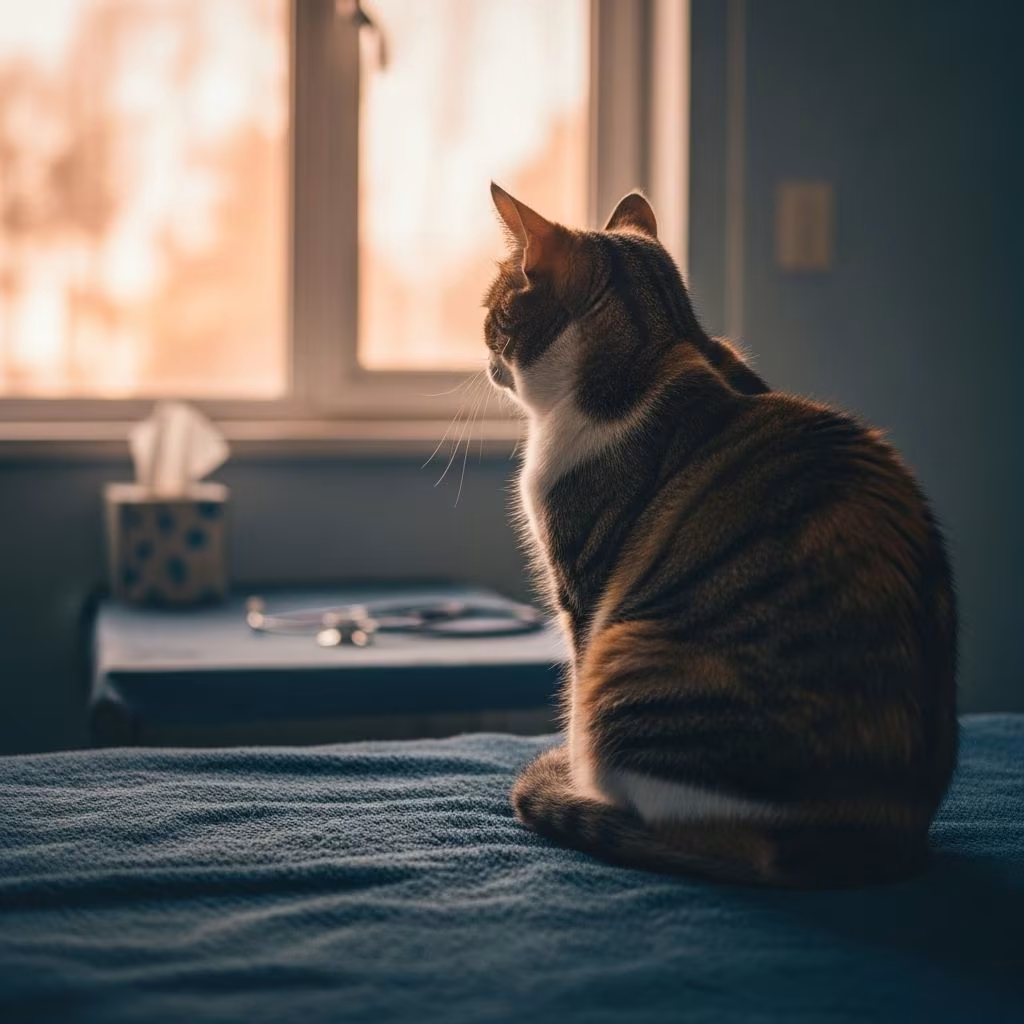
Persistent urination difficulties in cats often indicate serious underlying conditions that can severely compromise their well-being. When these issues become chronic and unresponsive to treatment, pet owners face tough decisions about quality of life and potential euthanasia. This article delves into the causes, symptoms, management strategies, and ethical considerations surrounding feline urinary tract disorders and humane endpoints.
Understanding Feline Urinary Tract Disorders
Cats rely on efficient urinary function for basic health. Disruptions like frequent attempts to urinate, straining, or blood in urine signal distress from infections, blockages, or stones. These problems stem from bacterial infections, crystal formation, or idiopathic cystitis, affecting males more due to their narrow urethras.
- Common triggers: Stress exacerbates inflammation; diet influences crystal types like struvite or calcium oxalate.
- Risk factors: Older cats face higher incidence from weakened immunity or kidney decline.
Early detection through vigilant monitoring of litter box habits prevents escalation. Owners note changes in volume, frequency, or location of elimination as key alerts.
Symptoms Indicating Severe Urinary Distress
Recognizing advanced signs helps differentiate treatable episodes from irreversible decline. Cats in agony vocalize, hide, or lick genitals excessively.
| Symptom | Description | Severity Indicator |
|---|---|---|
| Straining without output | Repeated postures with no urine | High – suggests obstruction |
| Bloody urine | Visible red tinge or clots | Medium to high |
| Incontinence | Accidental leakage | High in chronic cases |
| Lethargy | Reduced activity, appetite loss | Critical |
These manifestations reflect pain from distended bladders or systemic toxemia, demanding immediate veterinary intervention.
Diagnostic Approaches for Urinary Problems
Veterinarians employ urinalysis, imaging, and bloodwork to pinpoint issues. Ultrasound reveals stones or thickening; radiographs confirm blockages. Chronic cases may involve cystoscopy for direct bladder views.
- Urine culture identifies pathogens.
- Blood panels assess kidney function via creatinine and BUN levels.
Accurate diagnosis guides therapies from antibiotics to surgical relief, but recurrent flares signal deeper pathology.
Treatment Options and Their Limitations
Initial management includes catheterization for unblocking, fluid therapy for hydration, and pain relief. Dietary shifts to prescription formulas dissolve certain crystals. Medications like alpha-blockers relax sphincters; anti-inflammatories soothe bladders.
However, limitations arise in refractory cases. Repeated obstructions risk bladder rupture or renal failure. Multimodal protocols combining pheromones for stress reduction and antibiotics yield variable success.
When Urinary Issues Signal Quality of Life Decline
Assessing a cat’s overall state involves weighing pain, mobility, appetite, and joy. Persistent urinary pain erodes comfort, leading to weight loss, dehydration, and behavioral withdrawal. Tools like the HHHHHMM scale (Hurt, Hunger, Hydration, Hygiene, Happiness, Mobility, More good days than bad) aid owners in objective evaluation.
For cats enduring weekly crises despite interventions, ongoing suffering predominates, prompting end-of-life talks.
The Role of Euthanasia in Feline Urinary Cases
Euthanasia offers merciful release when treatments fail and suffering mounts. Preferred methods prioritize sedation for calm induction, followed by barbiturates for swift, painless cessation. Intravenous pentobarbital ensures rapid unconsciousness and cardiac arrest. Premedication with anxiolytics minimizes stress, administered subcutaneously to avoid discomfort.
In-clinic or at-home settings accommodate preferences. The American Association of Feline Practitioners endorses premedication in all procedures to avert pain, anxiety, and distress. AVMA guidelines reinforce humane techniques, favoring IV barbiturates.
Humane Euthanasia Techniques for Cats
Professionals select routes based on cat’s condition. Medial saphenous vein access proves reliable for IV delivery, using diluted solutions and fine needles. For challenging cases, intrarenal injection post-sedation achieves quick arrest without observable distress in most instances.
- Sedation first: Combinations like dexmedetomidine and opioids provide deep relaxation.
- Alternative routes: Intraperitoneal for non-IV feasible patients, ensuring prior anesthesia.
Owners appreciate advance warnings about involuntary reflexes like urination or agonal gasps, confirming these signify no pain.
Preparing Emotionally for the Decision
Grief accompanies recognition of limits. Consultations clarify prognoses; second opinions validate choices. Families document goodbyes through photos or paw prints, fostering closure.
Home euthanasia reduces trauma, allowing familiar comforts. Veterinary teams guide processes, emphasizing love-driven mercy over abandonment.
Home vs. Clinic Euthanasia Environments
| Aspect | Home | Clinic |
|---|---|---|
| Comfort | Familiar scents, routines | Controlled, sterile |
| Privacy | Intimate family setting | Quiet rooms available |
| Logistics | Mobile vet required | Immediate access |
Both uphold welfare standards, with premeds ensuring tranquility.
Post-Euthanasia Support and Aftercare
Communal or private cremation options honor remains. Grief resources from ASPCA or pet loss hotlines aid mourning. Normalizing sorrow validates emotions, with memorials sustaining bonds.
FAQs on Feline Urinary Problems and Euthanasia
Q: How quickly do urinary blockages become emergencies?
A: Hours matter; untreated obstructions cause toxemia and rupture risks.
Q: What diet prevents recurrence?
A: Wet foods and urinary-specific formulas reduce crystals, per vet advice.
Q: Is at-home euthanasia painless?
A: Yes, with proper sedation and barbiturates, cats pass peacefully.
Q: How to know if it’s time?
A: Use quality-of-life scales; consult vets when bad days outnumber good.
Q: Do cats suffer during euthanasia?
A: No, premeds ensure unconsciousness precedes heart stoppage.
Preventive Strategies for Urinary Health
Proactive care includes stress mitigation via enrichments, ample water fountains, and regular checkups. Neutering lowers risks; monitoring seniors catches issues early.
In summary, urinary woes challenge cats profoundly, but informed owners navigate toward compassionate outcomes, balancing intervention with humane release when needed.
References
- Feline Euthanasia – Part 2: Clinical Considerations and Technical Recommendations — dvm360. Accessed 2026. https://www.dvm360.com/view/feline-euthanasia-part-2-clinical-considerations-and-technical-recommendations
- Canine and Feline Euthanasia — Veterian Key. Accessed 2026. https://veteriankey.com/canine-and-feline-euthanasia/
- Euthanasia in Cats in a Clinical Setting — American Association of Feline Practitioners (catvets.com). 2024. https://catvets.com/wp-content/uploads/2024/01/Euthanasia-in-Cats-in-a-Clinical-Setting.pdf
- AVMA Guidelines for the Euthanasia of Animals: 2020 Edition — American Veterinary Medical Association. 2020. https://www.avma.org/sites/default/files/2020-02/Guidelines-on-Euthanasia-2020.pdf



