

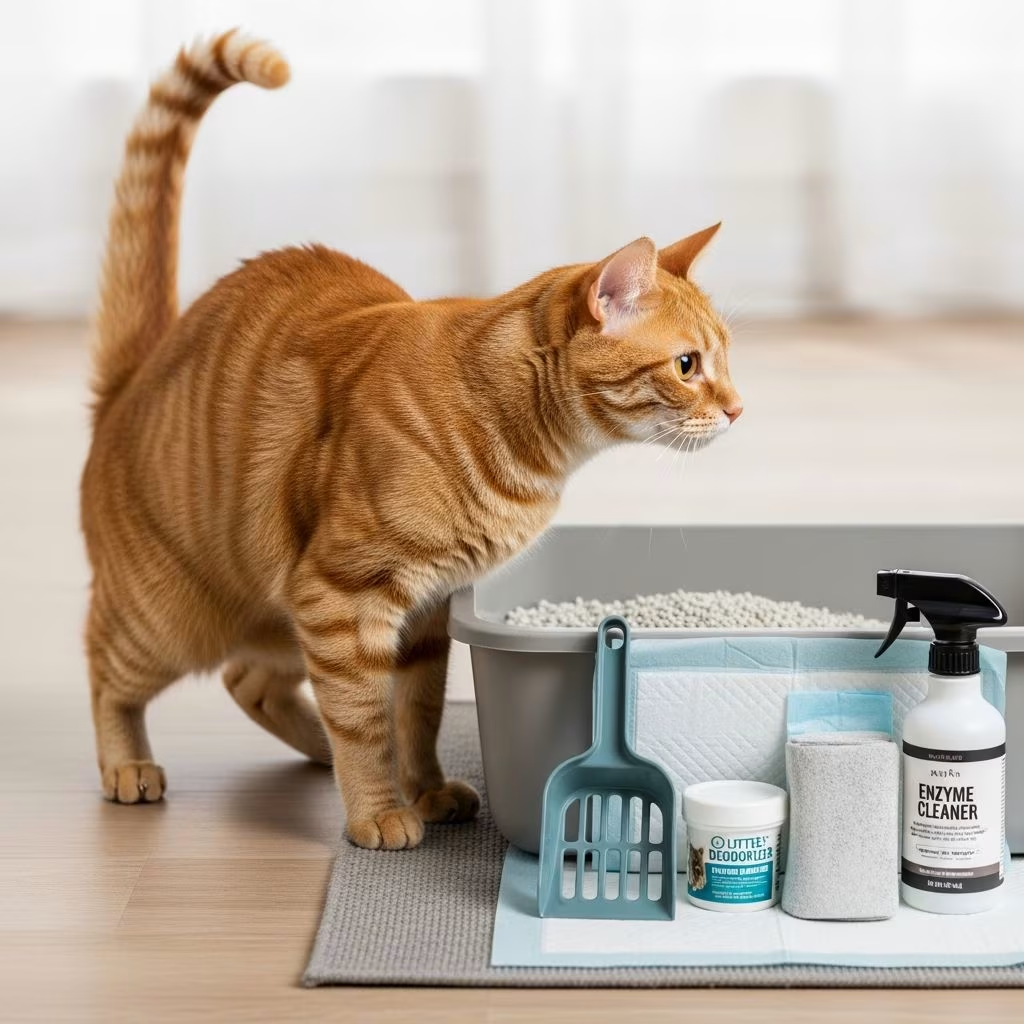
Understanding your cat’s urination habits provides key insights into their overall health. Cats typically urinate **2-4 times daily**, producing about 2 tablespoons of urine per session, though this varies by age, diet, and hydration. Monitoring these patterns helps detect issues early, preventing serious conditions like blockages that can be fatal if untreated.
Normal Urination Patterns in Cats
Healthy adult cats maintain consistent urination routines tied to their water intake and kidney function. On average, they drink 50-100 ml of water daily, leading to urine output of around 20-50 ml per voiding. Kittens urinate more frequently due to smaller bladders, while seniors may show changes from age-related decline.
- Frequency: 2-4 times per day; less than once daily or more than 5 times signals potential problems.
- Volume: Small amounts (1-2 oz) per session; large puddles indicate dilute urine from diseases like diabetes.
- Color and Clarity: Pale yellow to amber, clear; dark, cloudy, or bloody urine warrants immediate attention.
- Odor: Mild ammonia scent; strong or foul smells suggest infection.
Factors like dry food diets reduce urine volume, increasing crystal risk, while wet food promotes dilution and flow.
Decoding Urine Color, Odor, and Consistency
Urine analysis reveals much about feline wellness. Normal cat urine has a pH of 6-6.5, slightly acidic to prevent stone formation. Deviations signal underlying issues.
| Urine Trait | Normal | Abnormal Indicators | Possible Causes |
|---|---|---|---|
| Color | Pale yellow | Dark yellow, red, brown | Dehydration, blood (hematuria), liver issues |
| Clarity | Clear/slight haze | Cloudy, foamy | Infection, crystals, proteins |
| Odor | Mild | Strong ammonia, fishy | UTI, diet, diabetes |
| Volume per Void | 1-2 oz | Drops or floods | Blockage, diabetes, kidney disease |
Blood in urine (hematuria) often stems from inflammation or stones, while excessive foam points to protein loss from kidney damage.
Common Medical Causes of Urination Problems
Many cats avoid litter boxes due to pain or urgency from medical conditions. **Feline Lower Urinary Tract Disease (FLUTD)** encompasses bladder inflammation, crystals, and blockages, affecting up to 1% of cats annually, more common in males due to narrow urethras. Symptoms include straining, frequent small voids, and vocalizing during attempts.
Urinary Tract Infections (UTIs), though rarer in cats than dogs, cause burning pain, leading to box avoidance. Older females are prone, showing increased licking and bloody urine. Bladder stones or crystals (struvite or calcium oxalate) irritate the tract, causing obstruction—a veterinary emergency where no urine passes, risking kidney failure within 48 hours.
Systemic diseases like **diabetes mellitus** boost urine production via high blood sugar, spilling into urine and drawing water osmotically. Cats drink excessively and urinate large volumes outside boxes. **Chronic Kidney Disease (CKD)**, prevalent in 30-50% of cats over 10, dilutes urine and increases frequency due to poor concentration ability. Hyperthyroidism accelerates metabolism, mimicking diabetes symptoms.
Behavioral and Stress-Related Urination Issues
Not all litter box avoidance is medical; stress triggers **Feline Idiopathic Cystitis (FIC)**, a Pandora Syndrome component where anxiety inflames the bladder without infection. Indoor, multi-cat homes heighten risk, with signs like bloody urine during stress peaks.
Territorial spraying, vertical urine marks, differs from horizontal puddles. Unneutered males spray most, but neutered cats do so under stress from new pets or moves. Aversion to dirty boxes or painful past experiences conditions avoidance.
Age-Specific Urination Challenges
Kittens learn box use early but may overfill small bladders. Adults peak in stability, but seniors face **cognitive dysfunction**, arthritis limiting access, or incontinence from weakened sphincters. Males over 7 are obstruction-prone; females risk recurrent cystitis.
Litter Box Setup for Optimal Urination Health
Proper setup prevents issues. Cats prefer unscented, clumping litter in quiet, spacious boxes—one per cat plus one extra. Uncovered boxes suit most; covered deter some.
- Scoop daily to avoid aversion.
- Place away from food/water.
- Use low-entry for seniors/arthritic cats.
- Multiple boxes in multi-story homes.
Diet impacts urine: Prescription foods dissolve crystals, increase moisture.
Recognizing Emergencies: When to Rush to the Vet
Act fast on these signs:
- No urine output despite straining (obstruction—hours count).
- Bloody urine with cries.
- Excessive thirst/urination.
- Licking genitals obsessively.
Vets use urinalysis, imaging, bloodwork for diagnosis. Treatments range from antibiotics to surgery.
Diagnostic Tests for Urinary Concerns
Standard workup includes:
- Urinalysis: Checks pH, bacteria, crystals.
- Imaging: Ultrasound/X-ray for stones/blockages.
- Blood panel: Kidney function, glucose.
- Culture: Identifies infection source.
Early intervention boosts success rates dramatically.
Prevention Strategies for Healthy Feline Urination
Maintain wellness through:
- Hydration: Fountains, wet food.
- Diet: Urinary health formulas.
- Stress Reduction: Pheromones, play, vertical space.
- Routine Vet Checks: Annual seniors.
- Neutering: Cuts spraying 90%.
Environmental enrichment curbs FIC recurrences.
Home Monitoring Tips for Cat Owners
Track via apps or journals: frequency, volume, location. Clean accidents enzymatically to remove scents attracting repeats. Observe posture—squatting vs. spraying.
FAQs on Cat Urination
Why does my cat pee small amounts frequently?
Often FLUTD, UTI, or crystals causing irritation and urgency.
Is blood in cat urine always serious?
Yes, indicates inflammation, infection, or stones—vet visit essential.
How to stop litter box avoidance?
Rule out medical issues first, then optimize box setup and reduce stress.
Do male cats pee more outside the box?
Yes, narrow urethras heighten blockage risk, prompting accidents.
Can diet fix urination problems?
Hydration-focused diets prevent crystals and dilute urine effectively.
References
- Why is My Male Cat Peeing Everywhere and Meowing? — Taconic Veterinary Center. 2023. https://taconicvet.com/blog/why-is-my-male-cat-peeing-everywhere-and-meowing/
- Cat Behavior Problems – House Soiling — VCA Animal Hospitals. 2024. https://vcahospitals.com/know-your-pet/cat-behavior-problems-house-soiling
- Why Is My Cat Peeing Outside the Litter Box? Causes & Symptoms — Gardens Animal Hospital. 2023. https://www.gardensanimalhospital.com/cat-peeing-outside-the-litter-box/
- Inappropriate and Stress Urination in Cats — Hill’s Pet. 2024. https://www.hillspet.com/cat-care/healthcare/cat-stress-urinary-issues
- Feline Inappropriate Elimination — All Feline Hospital. 2023. https://www.allfelinehospital.com/feline-inappropriate-elimination.pml
- Feline Behavior Problems: House Soiling — Cornell University College of Veterinary Medicine. 2024. https://www.vet.cornell.edu/departments-centers-and-institutes/cornell-feline-health-center/health-information/feline-health-topics/feline-behavior-problems-house-soiling



