

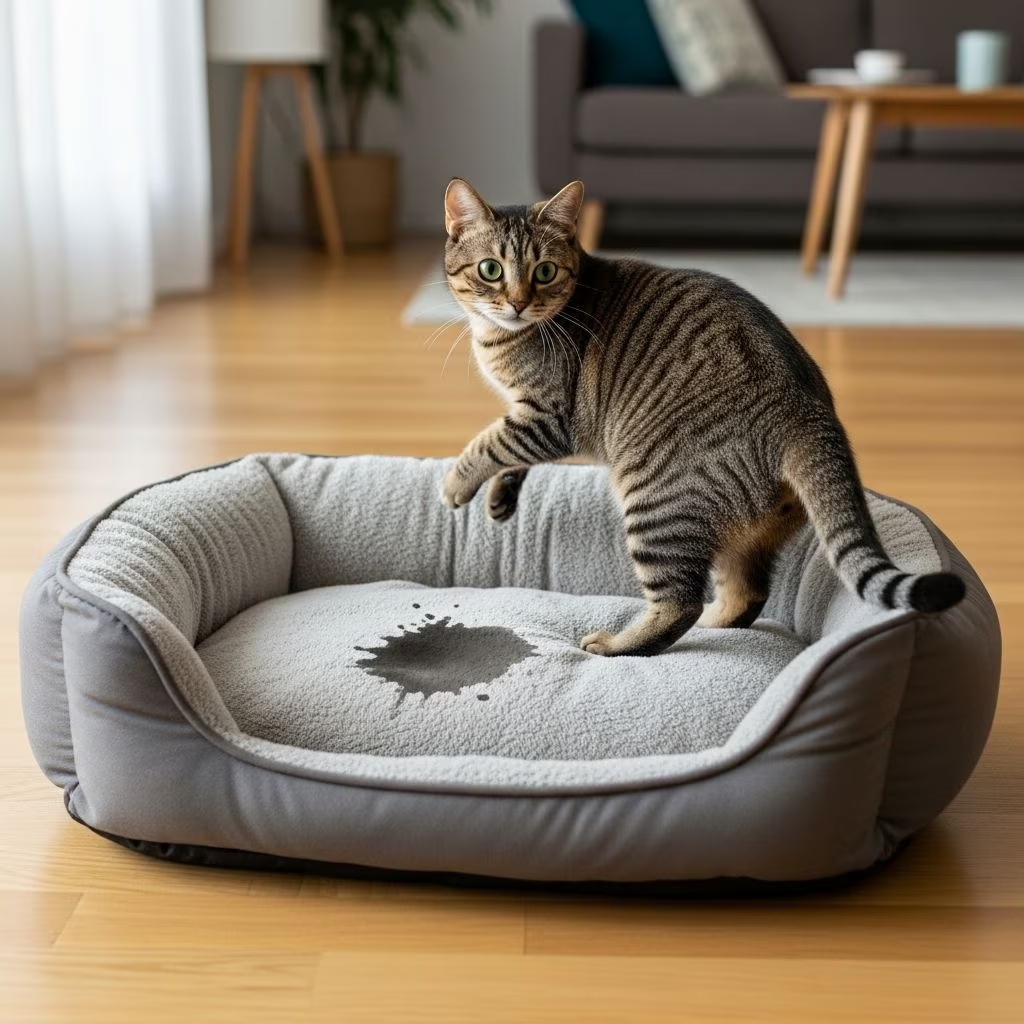
Discovering that your cat has eliminated on your dog’s bed can be frustrating and perplexing for any pet owner. This behavior, known as inappropriate urination, rarely occurs without reason. Rather than viewing it as a behavioral problem requiring punishment, it’s important to recognize that cats typically engage in this conduct due to underlying health conditions, environmental stressors, or unmet needs. Understanding the root cause is the essential first step toward resolving the issue and restoring peace to your household.
The Medical Foundation: Understanding Health-Related Urination Issues
One of the most significant contributors to inappropriate urination in cats involves medical conditions affecting the urinary system. When cats suddenly begin urinating outside their litter boxes, veterinary evaluation should be among your first priorities. Health-related causes often account for a substantial portion of these incidents and typically require professional intervention.
Urinary Tract Infections and Related Conditions
Urinary tract infections represent one of the most prevalent medical causes of inappropriate elimination in felines. When a cat experiences a UTI, the act of urination becomes painful and urgent, creating a desperate need to relieve themselves quickly. The cat may not reach the litter box in time or may begin associating the box with discomfort, leading them to seek alternative locations such as your dog’s bed. Cats suffering from urinary infections often display additional symptoms including frequent urination attempts, visible straining, and signs of discomfort during elimination.
Beyond traditional UTIs, some cats develop a condition called Feline Idiopathic Cystitis (FIC), an irritation of the bladder with no clearly identified cause. Cats experiencing FIC exhibit urinary symptoms remarkably similar to those with UTIs, making professional diagnosis essential. The treatment approach differs depending on whether the cat has a bacterial infection or FIC, underscoring the importance of veterinary assessment.
Bladder and Kidney Complications
Bladder stones and crystals present another significant medical concern contributing to inappropriate urination. These painful conditions cause irritation and potentially life-threatening blockages in the urinary tract. A cat experiencing bladder discomfort will frequently avoid the litter box, seeking out soft surfaces like your dog’s bed as an alternative location for elimination. The condition demands immediate veterinary attention, particularly if combined with straining or inability to urinate completely.
Kidney disease similarly drives inappropriate urination through a different mechanism. As kidney function deteriorates, cats experience increased thirst and consequently increased urination frequency. The volume of urine production may exceed the cat’s ability to reach the litter box consistently, resulting in accidents in various household locations, including your dog’s sleeping area.
Metabolic and Endocrine Disorders
Diabetes represents another metabolic condition that can trigger excessive urination. Diabetic cats become abnormally thirsty and urinate much more frequently than healthy animals. If your cat has suddenly increased water consumption and more frequent accidents, diabetes warrants investigation. Similarly, conditions affecting the thyroid or other hormonal systems can influence urinary habits and frequency.
Reproductive Status and Territorial Marking Behaviors
The reproductive status of your cat significantly influences urination patterns and territorial behaviors. Intact female cats in heat may display inappropriate urination as part of their estrous cycle behavior. During this period, they may mark territory by urinating on various household surfaces. This behavior typically subsides once the cat exits her heat cycle, though spaying provides a permanent solution and offers additional health benefits. Some females continue marking even after heat cycles conclude, indicating territorial tendencies that spaying can effectively address.
Males, particularly unneutered individuals, are strongly driven by territorial instincts to mark their environment through urination. Neutering significantly reduces or eliminates these marking behaviors, making it an essential intervention for households experiencing recurrent marking issues.
Environmental and Psychological Stressors
Psychological stress represents a powerful but often overlooked contributor to inappropriate urination in cats. Just as people make poor decisions when anxious, cats respond to stress by behaving in ways outside their normal patterns. When cats feel threatened or anxious, they may resort to urinating on prominent household items—including your dog’s bed—as a coping mechanism or territorial response.
Common Household Stressors
Identifying potential stressors in your cat’s environment forms a crucial part of addressing behavioral urination. Common stressors include:
- Relocation to a new home or significant household rearrangement
- Introduction of new pets or family members
- Hosting guests or roommates for extended periods
- Loud noises from construction, traffic, or appliances
- Changes to daily routines or feeding schedules
- Inadequate hiding spaces or safe zones
Cats require environmental stability and predictability. Deviations from established routines, however minor they may seem to humans, can significantly elevate feline stress levels and trigger compensatory behaviors like inappropriate urination.
Litter Box Configuration and Placement Issues
The litter box setup itself represents a critical environmental factor that directly influences whether cats will use it appropriately. A litter box situated in a high-traffic area or difficult-to-access location may encourage cats to seek alternative elimination sites. Similarly, an uncleaned or infrequently maintained litter box becomes unattractive, prompting cats to find more appealing locations.
Box type preferences vary among individual cats, and some may refuse to use covered boxes or boxes with liners they find uncomfortable. The type of litter material also matters significantly—cats sometimes reject litter with strong scents or unusual textures. Understanding your specific cat’s preferences through observation and potential experimentation can resolve litter box avoidance behaviors.
Multi-Cat Household Dynamics
Households containing multiple cats face unique challenges related to territorial behavior and resource competition. Tension between cats can escalate to the point where one individual monopolizes the litter box or the area surrounding it, forcing other cats to seek alternative elimination locations. This territorial conflict transforms the dog’s bed into an appealing alternative precisely because it offers privacy and distance from competing felines.
The general rule for multi-cat households recommends providing one litter box per cat, plus one additional box. This arrangement ensures each cat has accessible elimination facilities and reduces territorial conflicts over essential resources. Spacing these boxes throughout the home in various locations prevents any single cat from blocking access to all facilities.
Age-Related Considerations
Aging cats face specific challenges that contribute to inappropriate urination patterns. Older felines with arthritis may struggle to enter high-sided litter boxes, making the effort to climb over the edge painful and difficult. These cats may simply choose more accessible locations rather than endure physical discomfort to reach their designated box.
Cognitive dysfunction, essentially feline dementia, affects senior cats similarly to how dementia impacts elderly humans. Cats experiencing cognitive decline may forget where their litter box is located or lose the established habit of using it, requiring environmental modifications and increased monitoring.
Practical Solutions: Medical and Behavioral Interventions
Addressing inappropriate urination requires a systematic approach tailored to the underlying cause. The solution you implement should directly address the root problem rather than simply punishing the cat.
Veterinary Assessment and Medical Treatment
Your first step should always involve veterinary consultation. A veterinarian can conduct urinalysis, ultrasound, and other diagnostic tests to identify or exclude medical conditions. Once a health issue is diagnosed, appropriate treatment—whether antibiotics for infection, dietary modification for bladder disease, or management strategies for diabetes—can often resolve the urination behavior entirely.
Litter Box Optimization
Environmental modifications to the litter box setup can dramatically improve compliance:
- Maintain daily litter scooping to keep the box fresh and appealing
- Refresh the litter completely at least weekly
- Experiment with different litter types to identify your cat’s preferences
- Offer both covered and open box options to determine which your cat prefers
- Position boxes in quiet, low-traffic areas with easy access
- Place multiple boxes throughout your home rather than centralizing them
- Ensure boxes are appropriately sized for your cat’s body length
Stress Reduction Strategies
For behaviorally-motivated urination, stress reduction becomes paramount:
- Maintain consistent daily routines for feeding, play, and interaction
- Provide environmental enrichment through toys, climbing structures, and interactive play
- Create dedicated safe spaces where your cat can retreat and feel secure
- Consider feline pheromone diffusers designed to reduce anxiety
- Minimize exposure to identified stressors when possible
- Consult your veterinarian about anti-anxiety medications for severe cases
Behavioral Retraining
For cats displaying behavioral rather than medical urination issues, retraining may prove necessary. This process typically involves temporarily restricting the cat’s access to a limited area containing their litter box, reinforcing litter box familiarity and use. Over time, as the cat reliably uses the box, you can gradually expand their accessible space.
Addressing the Dog’s Bed Specifically
Beyond addressing the root cause, taking steps to protect and maintain your dog’s bed can prevent further incidents. Wash the bed frequently using hot water and vinegar solutions to eliminate odor markers that might encourage repeated urination on the same spot. Consider treating the bed with enzymatic cleaners specifically designed to break down urine compounds. You might also temporarily remove the bed during the treatment phase, replacing it with an easily washable alternative.
Preventive Measures and Long-Term Management
Prevention constitutes the most effective long-term strategy. Several preventive measures can substantially reduce the likelihood of inappropriate urination occurring in the first place:
- Schedule regular veterinary checkups to identify emerging health issues early
- Maintain a clean, stress-free home environment with adequate resources
- Provide sufficient litter boxes distributed throughout your space
- Ensure all cats in multi-cat households are spayed or neutered
- Monitor your cat’s water intake and urination frequency for changes
- Maintain consistent daily routines and minimize sudden environmental changes
Frequently Asked Questions
Q: Should I punish my cat for urinating on the dog’s bed?
A: No. Punishment is ineffective and counterproductive, potentially increasing stress and worsening the behavior. Focus instead on identifying and addressing the underlying cause, whether medical or environmental.
Q: How long does it take to resolve inappropriate urination?
A: Timeline depends entirely on the cause. Medical issues may resolve within days to weeks once treatment begins. Behavioral issues typically require several weeks to months of consistent environmental management and retraining.
Q: Can I use the same litter box for multiple cats?
A: While one shared box is possible, providing multiple boxes—ideally one per cat plus one additional—significantly improves success rates and reduces territorial conflicts.
Q: Does spaying or neutering always stop marking behaviors?
A: In most cases, yes. Neutering or spaying eliminates or substantially reduces marking behaviors driven by reproductive hormones, particularly if performed before marking habits become deeply established.
References
- Why is My Cat Peeing on My Bed? — Purina. https://www.purina.com/articles/cat/behavior/understanding-cats/why-is-my-cat-peeing-on-my-bed
- Cat Peeing on Dog Bed? 4 Reasons Why & How to Stop It! — Catster. https://www.catster.com/cat-behavior/cat-peeing-on-dog-bed/
- Cat Peeing Outside of Their Litter Box: Causes and Solutions — Brinker Veterinary Clinic. https://brinkervet.com/blog/cat-peeing-outside-litter-box/



