

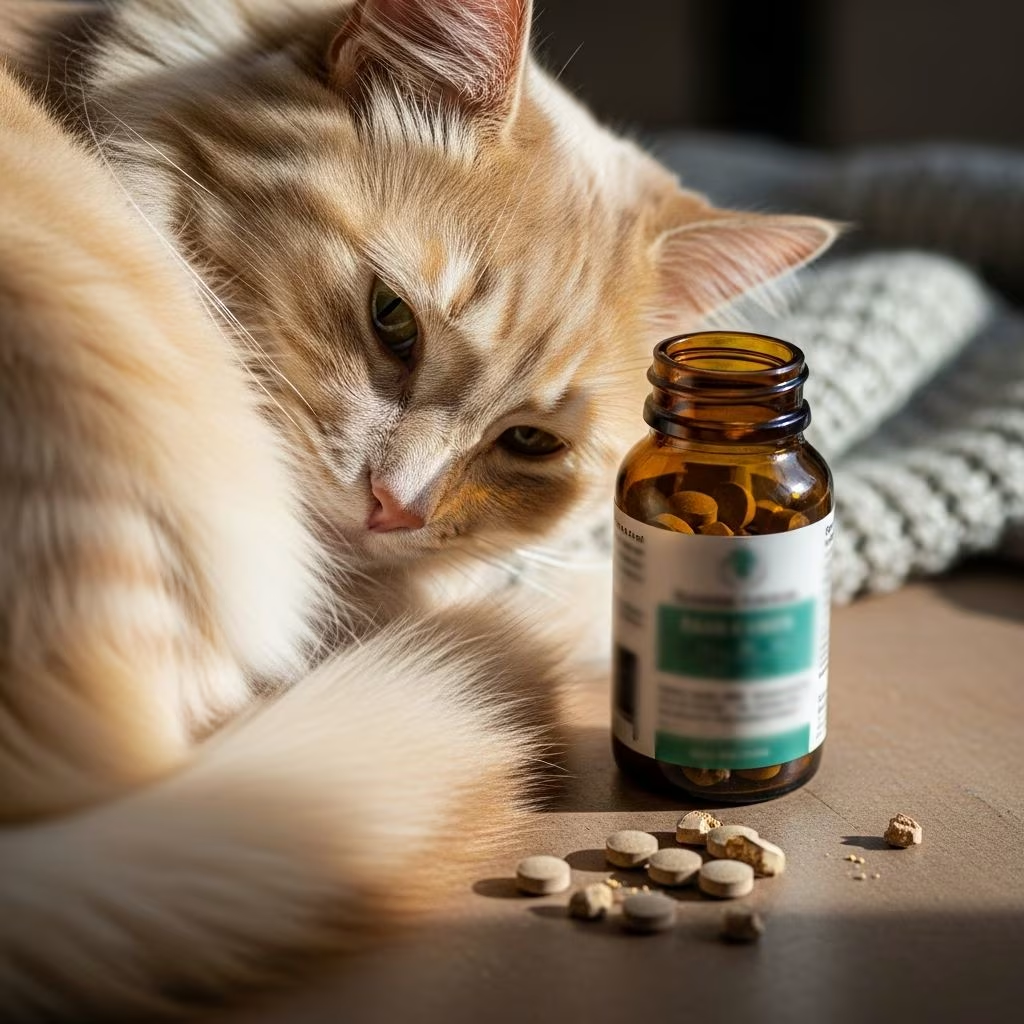
Urinary tract disorders represent a significant health concern among domestic felines, with approximately 1 to 3 percent of cats presenting to veterinary clinics exhibiting symptoms of lower urinary tract complications. Male cats face heightened vulnerability due to anatomical factors, specifically their narrower urethral passages, though female cats remain susceptible to these conditions as well. Environmental and dietary factors such as sedentary indoor lifestyles, minimal physical activity, and consumption of moisture-deficient commercial diets substantially elevate the risk of developing urinary complications. Understanding the landscape of urinary health challenges in felines has propelled the development of specialized nutritional interventions designed to prevent and manage these conditions effectively.
Understanding the Mechanics of Urinary Tract Dysfunction in Cats
The feline urinary system operates with exacting requirements for optimal function. The delicate balance of urine composition, pH levels, and hydration status directly influences the development or prevention of urinary complications. When these equilibrium conditions become disrupted, multiple pathological processes can unfold, including crystal formation, bacterial colonization, and inflammatory responses within bladder tissues.
Idiopathic cystitis, a condition affecting cats without identifiable underlying causes, represents one of the most prevalent urinary complaints veterinarians encounter. Additionally, urinary crystal formation and stone development emerge through complex interactions between urine concentration, mineral composition, and pH balance. Bacterial infections, while less common than crystal-related issues in cats compared to other species, still pose significant health threats requiring intervention.
The Physiological Foundation for Supplemental Support
Specialized urinary supplements function through multiple interconnected mechanisms that collectively support tract health and function. These formulations address specific vulnerabilities within the urinary system that standard dietary approaches may inadequately support, offering targeted nutritional interventions precisely calibrated to combat identified risk factors.
The pH landscape of feline urine carries substantial importance for urinary health. Healthy feline urine maintains a naturally acidic state, typically ranging from 6.0 to 6.5 on the pH scale. Deviation from this optimal range creates environments conducive to crystal precipitation and bacterial proliferation. Quality supplement formulations incorporate compounds specifically selected for their capacity to maintain pH equilibrium, preventing the cascade of complications that result from pH imbalance.
Key Active Ingredients and Their Mechanisms of Action
Cranberry Extract and Proanthocyanidin Complex
Cranberry-derived supplements represent among the most extensively studied interventions for urinary tract health in companion animals. The active constituents responsible for cranberry’s beneficial effects are proanthocyanidins (PACs), naturally occurring polyphenolic compounds that confer specific anti-adhesive properties. These compounds prevent pathogenic bacteria, particularly E. coli, from establishing biofilms on bladder epithelial surfaces. Rather than directly killing bacteria, PACs modify bacterial surface characteristics, rendering bacterial cells unable to anchor to protective mucous membranes lining the urinary tract.
When evaluating cranberry supplements, selecting products with clearly specified PAC content becomes critical. Formulations providing minimum concentrations of 36 milligrams of PACs per serving ensure adequate efficacy for bacterial prevention. Most cranberry-containing supplements require consistent daily administration to maintain preventative benefits, with effects typically becoming apparent after several weeks of regular use.
D-Mannose: The Simple Sugar with Specialized Function
D-Mannose operates through a mechanism remarkably similar to cranberry extracts yet maintains distinct advantages for certain feline patients. This naturally occurring pentose sugar binds directly to bacterial fimbrial proteins, essentially creating a molecular tag that prevents bacterial adhesion to urinary tract tissues. The bacteria, now unable to establish infection sites, become readily eliminated through normal urination processes.
A particular advantage of D-Mannose over alternative interventions lies in its metabolic inertness relative to blood glucose regulation. Unlike other sugars, D-Mannose does not participate in systemic glucose metabolism, making it suitable for cats with metabolic compromise or glucose sensitivity concerns. Effective D-Mannose formulations typically deliver 125 to 500 milligrams per serving, with dosing adjusted according to individual feline size and specific urinary conditions under treatment. Optimal outcomes emerge when D-Mannose administration occurs between meals with concurrent increased water intake.
N-Acetyl Glucosamine and Bladder Wall Protection
The glycosaminoglycan (GAG) layer enveloping bladder epithelial tissue functions as a critical protective barrier against irritant substances, infectious organisms, and inflammatory mediators. Cats experiencing chronic urinary inflammation, particularly those with idiopathic cystitis diagnosis, frequently demonstrate compromised GAG layer integrity. N-Acetyl Glucosamine (NAG) supplements provide substrate materials that support the reconstruction and maintenance of this crucial protective structure.
NAG exerts its benefit by reducing inflammatory cascade activation within bladder tissues and facilitating repair processes in damaged mucous membranes. These supplements typically require extended periods of consistent administration—generally 4 to 8 weeks—before maximum benefit becomes apparent, positioning NAG as a longer-term preventative and therapeutic strategy rather than an acute intervention. Appropriate dosing ranges from 50 to 200 milligrams daily under veterinary supervision.
Supporting Micronutrients and Botanical Components
Beyond the primary active ingredients, several supporting compounds enhance overall urinary system function through complementary mechanisms. Omega-3 fatty acids, particularly eicosapentaenoic acid (EPA) and docosahexaenoic acid (DHA), deliver potent anti-inflammatory effects throughout urinary tract tissues. Supplementation with 100 to 300 milligrams of combined EPA and DHA daily promotes resolution of inflammatory processes underlying urinary dysfunction.
B-complex vitamins, especially pyridoxine (vitamin B6), support metabolic processes essential to urinary tract function and help prevent certain crystal formations. Botanical components including marshmallow root contain mucilaginous compounds that soothe irritated urinary tissues and support protective mucous membrane function. Additional herbal ingredients such as rehmannia facilitate kidney function optimization, while echinacea strengthens immune system capacity to combat urinary infections.
Supplement Delivery Systems and Administration Considerations
Modern urinary supplements arrive in multiple formulations, each presenting distinct advantages and limitations depending on individual feline preferences and owner convenience factors.
Powder Formulations
Powdered supplements offer flexibility in administration, as they can be mixed directly into moistened food, water, or broth without requiring cats to consume intact tablets or chews. This delivery method proves particularly beneficial for cats resistant to direct medication administration or those with swallowing difficulties. Powder formulations typically combine multiple active ingredients in single servings, simplifying the administration of comprehensive supplement regimens. Most powder supplements require twice-daily dosing with food, though some products are formulated for single daily administration.
Chewable and Soft Treat Formats
Chewable supplements marketed with appealing flavors—particularly chicken and liver varieties—leverage cats’ natural taste preferences to facilitate voluntary consumption. These formats eliminate the necessity for forcible administration while providing portion-controlled dosing. Many cats willingly consume chewable supplements when offered as treats, improving compliance with recommended supplementation protocols. The texture variations available, from crunchy formulations to soft chews, accommodate different feline preferences and dental health considerations.
Liquid Drops and Tinctures
Liquid supplement formulations enable precise dosage adjustments and accommodate administration to very young kittens or cats with specific health constraints. These products integrate readily into food or water, though some cats may detect flavor alterations. Liquid formats prove particularly advantageous for multi-cat households where individual dosing requires careful control.
Comparing Popular Supplement Categories by Mechanism
| Supplement Type | Primary Mechanism | Typical Dosage | Timeline to Effect |
|---|---|---|---|
| Cranberry Extract | Bacterial anti-adhesion | 36+ mg PAC daily | 2-3 weeks |
| D-Mannose | Bacterial chelation | 125-500 mg daily | 1-2 weeks |
| N-Acetyl Glucosamine | GAG layer support | 50-200 mg daily | 4-8 weeks |
| Omega-3 Fatty Acids | Anti-inflammatory | 100-300 mg daily | 3-4 weeks |
Integration of Supplements into Comprehensive Urinary Health Protocols
Effective urinary health management extends beyond isolated supplementation, requiring integration of multiple supportive strategies that collectively address identified risk factors. Dietary modifications represent a foundational component, with increased moisture content delivering critical hydration benefits that dilute urine and reduce stone-forming mineral concentration. Transitioning cats from exclusively dry kibble to mixed moisture diets—incorporating wet food, broths, or moisture-enhanced formulations—substantially improves urinary health outcomes.
Environmental enrichment and activity promotion directly influence urinary system health through multiple pathways. Regular physical activity improves bladder function, reduces sedentary weight gain, and enhances overall metabolic efficiency. Environmental modifications supporting climbing, jumping, and exploration encourage movement patterns that support urinary tract circulation and function.
Consistent veterinary monitoring forms an indispensable component of any urinary health management strategy. Regular urinalysis examinations reveal pH trends, crystal formation patterns, and bacterial colonization before clinical symptoms manifest. Veterinarians can adjust supplementation protocols based on objective findings, ensuring interventions remain appropriately targeted to individual feline needs.
Selecting Appropriate Supplements for Individual Feline Circumstances
The landscape of available supplements encompasses diverse formulations with varying ingredient combinations and concentration levels. Identifying appropriate products requires consideration of multiple factors including specific urinary conditions present, individual feline tolerances, and integration with existing medication regimens.
Cats with documented recurrent bacterial infections benefit primarily from supplements emphasizing cranberry extract or D-Mannose, ingredients with the strongest evidence for bacterial prevention. Animals experiencing recurrent crystal formation require products supporting pH optimization and dietary mineral balance. Cats with inflammatory cystitis symptoms derive particular benefit from formulations incorporating NAG, omega-3 fatty acids, and botanical anti-inflammatory agents.
Veterinary consultation before initiating supplementation becomes particularly important for cats receiving pharmaceutical treatments, as potential interactions may occur. Additionally, cats with specific health conditions such as diabetes or kidney dysfunction require supplementation approaches carefully vetted for safety in their particular circumstances.
Safety Considerations and Potential Adverse Effects
While supplements generally present favorable safety profiles compared to pharmaceutical interventions, certain considerations warrant attention. Some cats may experience mild gastrointestinal effects when initiating supplementation, typically resolving with continued use. Gradual introduction of new supplements at lower doses facilitates tolerance development.
Certain supplement ingredients may interact with prescribed medications or prove contraindicated in specific disease states. Cranberry supplements, while generally safe, contain compounds that may influence urinary acidification in ways incompatible with certain medical conditions. Similarly, supplements promoting urinary acidification may prove inappropriate for cats with existing aciduria or particular crystal types.
Pregnant or nursing cats require specialized supplementation approaches, with certain botanical ingredients avoided during these reproductive states. Kittens under 8 weeks of age typically cannot consume standard formulations, requiring age-appropriate liquid concentrations with reduced dosing.
Evidence Quality and Research Foundation
The supplement industry encompasses products with highly variable research support. Supplements demonstrating the strongest clinical evidence include cranberry-based formulations with documented PAC content specifications and D-Mannose compounds with established bacterial anti-adhesion mechanisms. These ingredients emerged from peer-reviewed research specifically evaluating their mechanisms and efficacy in companion animal populations.
Conversely, some botanical ingredients and mineral compounds rely primarily on traditional use documentation rather than rigorous clinical trials. While traditional use documentation provides value, it cannot match the certainty provided by controlled clinical research. Veterinarians increasingly recommend supplements with published efficacy studies, transparent ingredient specifications, and manufacturer quality assurance documentation.
Frequently Asked Questions About Feline Urinary Supplements
How long does supplementation require before results become apparent?
Timeline to noticeable benefit varies substantially depending on supplement type and individual feline response. Bacterial prevention supplements typically demonstrate effects within 2-3 weeks of consistent administration, while tissue-repair supplements require 4-8 weeks for maximum benefit emergence.
Can supplements replace veterinary treatment for active urinary infections?
Supplements function optimally within preventative and supportive frameworks rather than as primary treatments for active infections. Cats displaying acute urinary symptoms require veterinary evaluation and appropriate pharmaceutical intervention, with supplements incorporated as complementary support measures.
Are all cats appropriate candidates for urinary supplementation?
While most healthy adult cats tolerate supplementation well, cats with specific health conditions, those receiving medications, pregnant or nursing females, and very young kittens require individualized supplementation approaches determined through veterinary consultation.
What indicators suggest supplementation is benefiting a cat’s urinary health?
Improved indicators include normalized litter box behavior patterns, reduced frequency of urinary symptoms, veterinary findings of normalized urine pH and crystal absence, and sustained periods without urinary tract complications requiring intervention.
Conclusion: Building a Comprehensive Urinary Health Strategy
Feline urinary health requires multifaceted approaches extending beyond any single intervention modality. Supplements deliver valuable support when selected based on specific feline circumstances, integrated into comprehensive management protocols, and administered consistently under veterinary guidance. The combination of appropriate supplementation, dietary optimization, environmental enrichment, and regular veterinary monitoring provides the strongest foundation for preventing urinary tract complications and supporting long-term urinary system wellness in companion cats.
References
- Cat Urinary Supplements: 7 Best Solutions for Feline Health — ThePetVet. Accessed 2026-02-17. https://thepetvet.com/cat-urinary-supplements/
- The Best Urinary Tract Supplement for Cats — Under the Weather Pet. Accessed 2026-02-17. https://www.undertheweatherpet.com/blogs/under-the-weather/the-best-urinary-tract-supplement-for-cats
- The 7 Best Supplements for Cat Urinary Health — Cats.com. Accessed 2026-02-17. https://cats.com/best-supplements-for-cat-urinary-health



