

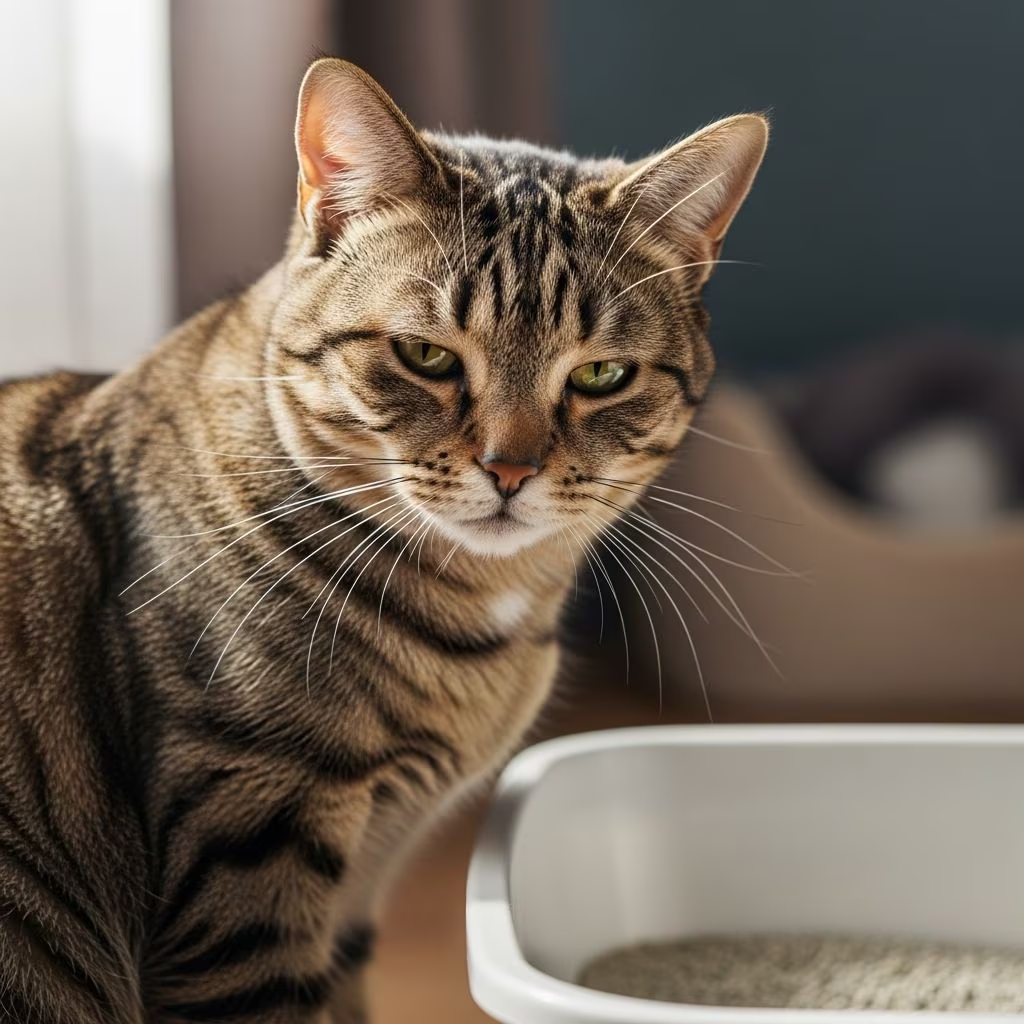
Feline lower urinary tract disease (FLUTD) affects many cats, causing discomfort and potentially life-threatening conditions if ignored. Early detection of symptoms like straining or blood in urine can make all the difference in treatment success.
Understanding the Urinary System in Cats
Cats’ urinary systems include the kidneys, ureters, bladder, and urethra. Efficient function relies on proper hydration, diet, and stress-free environments. Disruptions lead to issues ranging from mild inflammation to complete blockages, especially in males due to their narrower urethra.
Younger cats under 10 years often face idiopathic causes, while seniors may deal with infections linked to kidney disease or diabetes. Maintaining balance prevents most problems.
Primary Symptoms to Monitor Daily
Observing litter box habits reveals early warnings. Key indicators include:
- Straining or prolonged time in the litter box without much output.
- Frequent small urinations, signaling discomfort or partial blockages.
- Bloody, cloudy, or strong-smelling urine.
- Crying or vocalizing during elimination.
- Excessive genital licking from irritation.
These signs often overlap with multiple conditions, urging prompt veterinary evaluation.
Critical Emergency Signals
Some symptoms demand immediate action. A complete inability to urinate, despite straining, indicates urethral obstruction—a fatal risk within 24-48 hours without intervention. Accompanying distress, lethargy, vomiting, or a hard abdomen signal toxin buildup.
Male cats are prone due to anatomy; neutered males face higher risks from plugs of mucus, cells, and minerals. Rush to an emergency vet if noticed.
Common Underlying Causes
FLUTD stems from diverse triggers. Here’s a breakdown:
| Cause | Description | Risk Factors |
|---|---|---|
| Feline Idiopathic Cystitis (FIC) | Bladder inflammation without clear cause, often stress-related. | Indoor cats, multi-pet homes, changes in routine. |
| Urinary Stones (Uroliths) | Mineral formations irritating or blocking tracts. | Males, certain diets. |
| Urethral Plugs/Obstructions | Debris blockages, common in males. | Neutered males, dehydration. |
| Infections | Bacterial UTIs, rare in young cats. | Seniors (>10 years), diabetes, kidney issues. |
| Other | Tumors, anatomical defects, spinal issues. | Age, injury. |
FIC dominates in cats under 10, resolving in weeks but recurring without management. Infections are uncommon overall but rise in older felines.
Why Male Cats Face Higher Risks
The male urethra’s length and narrowness predisposes them to blockages from stones or plugs. Even small debris causes life-threatening backups, affecting kidneys rapidly. Females experience issues but rarely full obstructions.
Diagnosis Process at the Vet
Vets start with history and physical exams, checking for abdominal pain or bladder distension. Urinalysis detects blood, crystals, bacteria; imaging like X-rays or ultrasounds reveal stones; bloodwork assesses kidney function.
For FIC, excluding other causes confirms diagnosis. Seniors get comprehensive checks for comorbidities.
Treatment Approaches by Condition
- Obstructions: Sedation, catheterization, IV fluids; hospitalization monitors recovery.
- Infections: Antibiotics based on cultures.
- Stones: Diet changes, surgery if needed.
- FIC: Pain relief, anti-anxiety meds, environmental enrichment.
Supportive care like fluids aids all cases. Recheck-ups prevent relapses.
Prevention Strategies for Long-Term Health
Proactive steps reduce FLUTD incidence:
- Increase water intake via fountains, wet food.
- Use urinary health diets to minimize crystals.
- Minimize stress: multiple litter boxes, pheromone diffusers.
- Regular vet visits, especially for at-risk cats.
- Maintain ideal weight to avoid complications.
Indoor cats benefit from play, vertical spaces, and routine stability.
Lifestyle Factors Influencing Urinary Health
Stress from new pets, moves, or litter changes triggers FIC by weakening bladder linings. Multi-cat tension or inactivity heightens vulnerability. Hydration dilutes urine, preventing crystal formation.
Sudden diet shifts or dry-only feeding exacerbate risks. Balanced environments promote resilience.
When to Seek Immediate Veterinary Help
Act fast on straining without urine, bloody output, or distress. Even mild signs warrant checks to rule out progression. Delays cost lives in blockages.
FAQs on Cat Urinary Problems
What does it mean if my cat is straining in the litter box?
Straining suggests irritation, infection, or blockage. Monitor output; no urine is an emergency.
Can stress really cause urinary issues in cats?
Yes, stress induces FIC by inflaming the bladder, common in anxious indoor cats.
How do I know if my cat has a UTI?
Signs mimic FLUTD; urinalysis confirms bacteria. Rare in young cats.
Is FLUTD curable?
Many cases resolve with treatment, but FIC may recur. Prevention is key.
Why do male cats get blocked more often?
Narrower urethra traps plugs and stones easily.
Holistic Support for Recovery
Post-treatment, enrich environments with scratching posts, toys, and calm feeding areas. Supplements like glucosamine may soothe bladders, per vet advice. Track habits in a journal for patterns.
Owners report success with consistent routines, reducing episodes by addressing emotional needs alongside physical care.
References
- Feline Lower Urinary Tract Disease | Sanford Veterinarian Blog — Towne Center Animal Hospital. 2023. https://www.townecenteranimalhospital.com/flutd/
- Urinary Problems & Infections in Cats — Denver Vet. 2023-03-23. https://www.denvervet.com/site/blog/2023/03/23/urinary-problems-infections-cats
- Feline Lower Urinary Tract Disease — Cornell University College of Veterinary Medicine. Accessed 2026. https://www.vet.cornell.edu/departments-centers-and-institutes/cornell-feline-health-center/health-information/feline-health-topics/feline-lower-urinary-tract-disease
- Feline lower urinary tract disease (FLUTD) — American Veterinary Medical Association (AVMA). Accessed 2026. https://www.avma.org/resources-tools/pet-owners/petcare/feline-lower-urinary-tract-disease
- FLUTD in Cats: Symptoms, Causes, and Treatments — GoodRx. Accessed 2026. https://www.goodrx.com/pet-health/cat/flutd
- Urinary Tract Infection and Disease in Cats — Plains Vet. 2021-09-15. https://www.northeast-vet.com/site/pet-care-blog-plains-vet/2021/09/15/urinary-tract-infection-and-disease-in-cats
- Feline lower urinary tract disease — National Center for Biotechnology Information (PMC). 2024. https://pmc.ncbi.nlm.nih.gov/articles/PMC10822222/



