

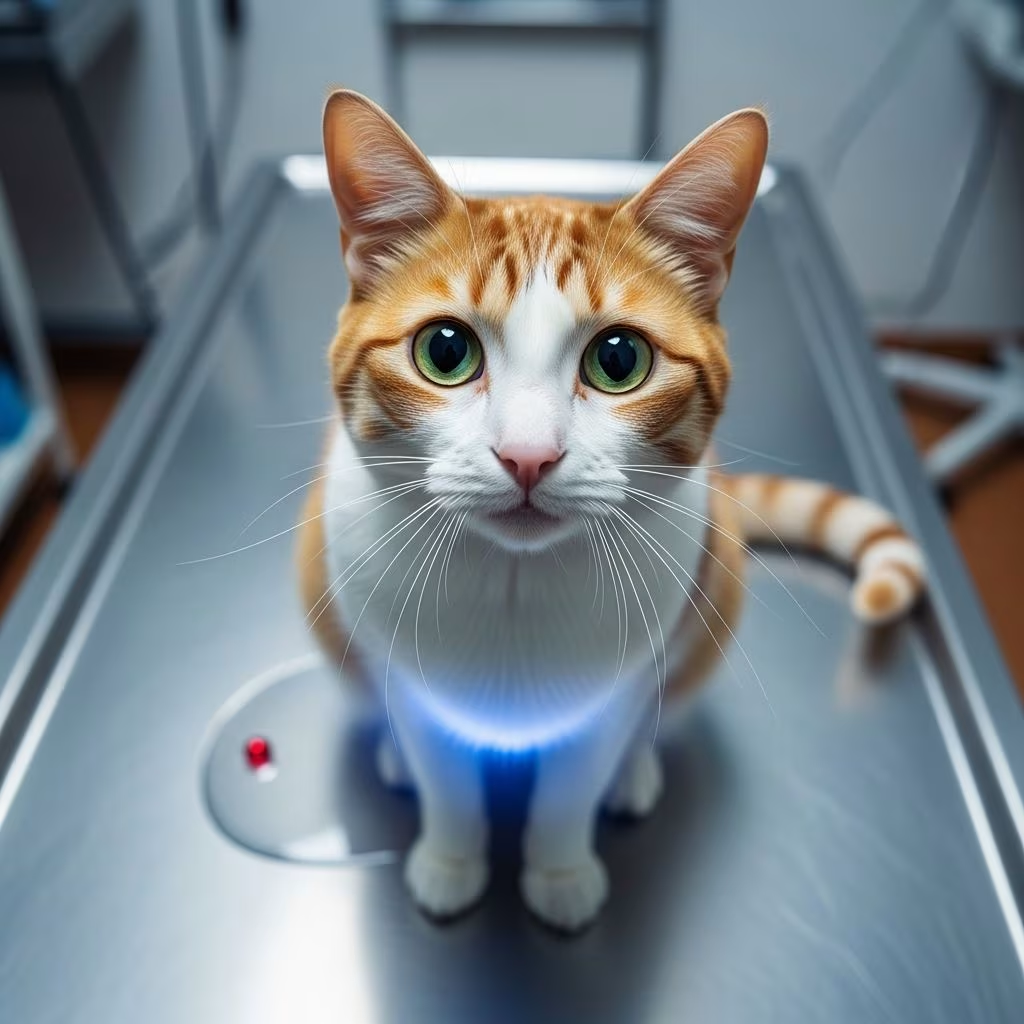
Feline lower urinary tract disease (FLUTD) encompasses a range of conditions affecting a cat’s bladder and urethra, often presenting with painful urination or inability to urinate. These issues demand prompt attention as they can escalate to life-threatening emergencies like urethral blockages.
Key Signs Your Cat Needs Help
Observing your cat’s litter box habits provides early clues to urinary problems. Common indicators include straining without producing urine, frequent small-volume attempts to urinate, and vocalizing in distress during elimination.
- Straining or prolonged time in the litter box
- Producing only drops of urine
- Crying out or showing pain while urinating
- Excessive grooming around the genitals
- Urine with blood, cloudiness, or strong odor
- Eliminating outside the litter box
- Increased thirst and water intake
- Lethargy, vomiting, or abdominal tenderness
Male cats, especially neutered ones aged 1-10 years, face higher risks due to their narrower urethra, making blockages more common.
Root Causes Behind Urinary Distress
FLUTD arises from multiple factors, not just infections. While bacterial urinary tract infections (UTIs) occur, particularly in older females over 10 years, they are rarer in younger cats whose urine acidity deters bacteria.
Idiopathic Cystitis: The Mystery Condition
Feline idiopathic cystitis (FIC), the leading cause in cats under 10, involves bladder inflammation without detectable infection or stones. Stress from household changes, multi-cat dynamics, or environmental shifts triggers it, linking urinary and nervous systems.
Stones and Crystals: Mineral Menaces
Uroliths form from mineral crystallization in urine, irritating the bladder or blocking the urethra. Male cats’ anatomy heightens obstruction risks. Diet high in certain minerals, dehydration, or obesity exacerbates crystal formation.
Blockages: A Critical Emergency
Urethral obstructions stem from plugs of mucus, cells, and minerals or stones. Without intervention, urine backs up, causing kidney failure, toxin buildup, and death within 24-48 hours. Symptoms mimic constipation but signal urinary crisis.
Other Contributors
Less common triggers include tumors, spinal issues, congenital defects, diabetes, hyperthyroidism, or trauma. Incontinence from overhydration or weak bladder muscles also plays a role.
How Vets Diagnose the Problem
Diagnosis starts with a physical exam, urine analysis for bacteria, crystals, blood, or pH levels, and possibly imaging like ultrasound or X-rays to detect stones or blockages. Blood tests assess kidney function and underlying diseases.
| Test | Purpose |
|---|---|
| Urinalysis | Checks for infection, crystals, blood |
| Urine Culture | Identifies specific bacteria |
| Imaging (X-ray/Ultrasound) | Visualizes stones, tumors, blockages |
| Blood Work | Evaluates kidney health, systemic issues |
For blockages, immediate catheterization relieves pressure, often requiring hospitalization for fluids and monitoring.
Treatment Strategies for Recovery
Tailored plans address the cause: antibiotics for confirmed UTIs, stone-dissolving diets or surgery for uroliths, pain relief and anti-spasmodics for cystitis. Stress reduction via pheromones, environmental enrichment, or medications aids FIC management.
- Acute Blockage: Emergency catheterization, IV fluids, hospitalization
- Infection: Antibiotics based on culture results
- Stones: Prescription diets, lithotripsy, or surgery
- Idiopathic Cases: Stress management, pain control, bladder protectants
Follow-up ensures recurrence prevention, common in FLUTD.
Prevention: Proactive Steps for Long-Term Health
Dietary management with urinary health formulas promotes dilute urine and crystal inhibition. Encourage hydration through wet food, multiple water sources, and fountains. Maintain clean, accessible litter boxes—one per cat plus one extra—in quiet spots.
Minimize stress with stable routines, vertical spaces, and play. Regular vet check-ups catch issues early, especially for at-risk males or obese cats. Weight control and balanced nutrition reduce risks.
When to Rush to the Vet
Any straining, bloody urine, or litter box avoidance warrants immediate care. Complete inability to urinate is an emergency—act within hours to prevent fatality.
Frequently Asked Questions
Can cat UTIs resolve without treatment?
Rarely in young cats due to urine properties, but older cats or blockages require veterinary intervention to avoid complications.
Why do male cats get blocked more often?
Their longer, narrower urethra traps plugs and stones easily, unlike females.
Does stress really cause urinary problems?
Yes, in FIC, anxiety triggers bladder inflammation via neuro-urinary links.
What diet helps prevent FLUTD?
Low-magnesium, controlled-mineral formulas that acidify urine and increase volume.
How many litter boxes do I need?
One per cat plus one extra, scooped daily, in low-traffic areas.
Long-Term Management for Recurrent Cases
Cats with repeated FLUTD may need ongoing prescription diets, supplements like glucosamine for bladder lining, or behavioral therapy. Track symptoms in a journal for vet discussions. Spaying/neutering doesn’t prevent but routine care does.
References
- Feline Lower Urinary Tract Disease — Cornell University College of Veterinary Medicine. 2023. https://www.vet.cornell.edu/departments-centers-and-institutes/cornell-feline-health-center/health-information/feline-health-topics/feline-lower-urinary-tract-disease
- Feline lower urinary tract disease (FLUTD) — American Veterinary Medical Association (AVMA). 2023. https://www.avma.org/resources-tools/pet-owners/petcare/feline-lower-urinary-tract-disease
- Cat Urinary Tract Infection & FLUTD — Stoney Creek Veterinary. 2022-07-30. https://www.stoneycreekveterinary.com/site/blog/2022/07/30/cat-urinary-tract-infection-flutd
- Feline Lower Urinary Tract Diseases (FLUTD) — Granada Veterinary Care. N/A. https://granadavc.com/blog/1203096-feline-lower-urinary-tract-diseases-flutd
- Urinary Problems & Infections in Cats — Denver Vet. 2023-03-23. https://www.denvervet.com/site/blog/2023/03/23/urinary-problems-infections-cats



