
Cat Urinary Disorders Guide
Comprehensive insights into recognizing, treating, and preventing urinary issues in cats for better feline health.
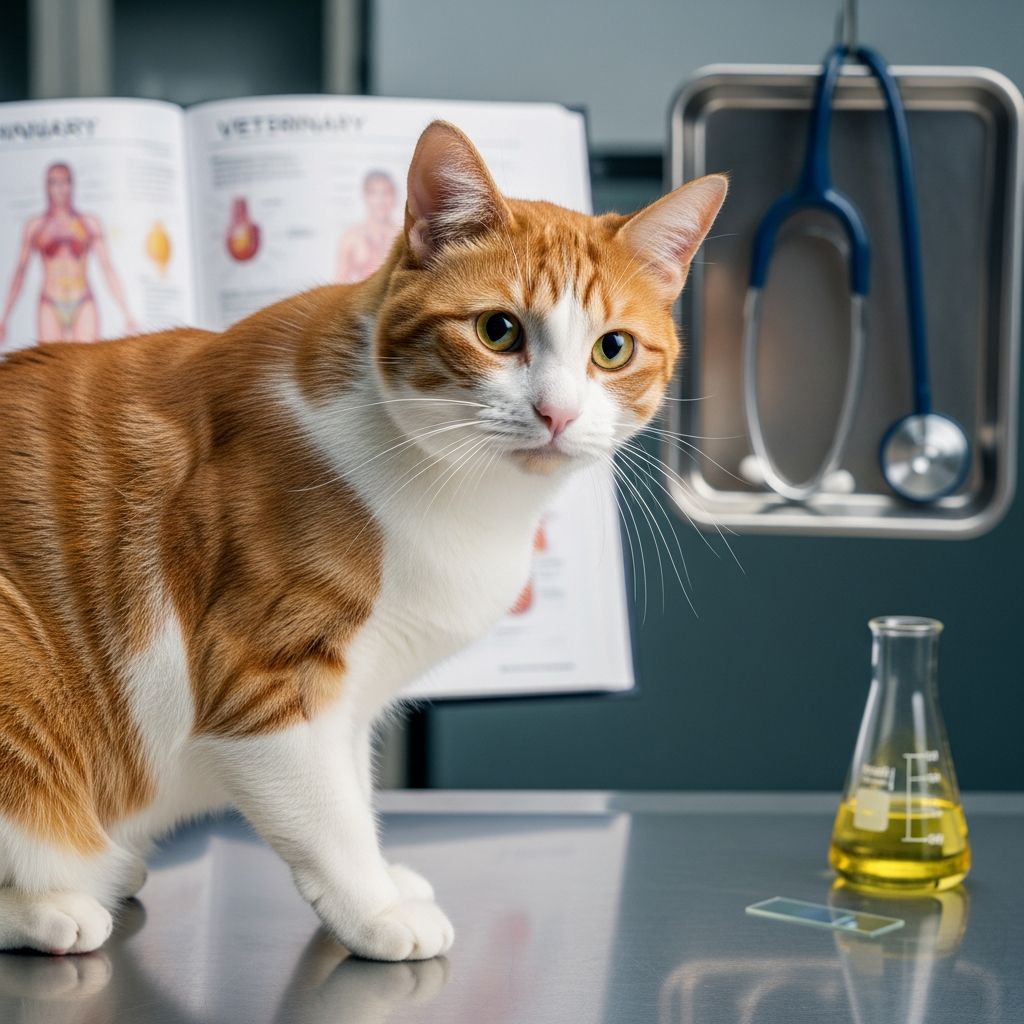
Urinary disorders in cats represent a frequent health challenge that demands prompt recognition and intervention. These conditions, often grouped under feline lower urinary tract disease (FLUTD), affect the bladder and urethra, leading to discomfort and potential emergencies.
Recognizing the Warning Signs
Early detection hinges on observing behavioral changes in your cat. Key indicators include straining during urination, producing only small urine volumes frequently, vocalizing in pain while attempting to urinate, excessive grooming around the genitals, inappropriate elimination outside the litter box, and visible blood in the urine. These symptoms signal irritation or blockage in the lower urinary system.
Cats with complete urethral blockages exhibit heightened distress, minimal to no urine output, and may appear as if constipated. Such scenarios escalate rapidly, risking kidney damage within hours. Owners should note that female cats show similar signs but face lower obstruction risks due to wider urethras.
Primary Causes of Urinary Distress
Multiple factors contribute to these disorders. Understanding them aids in targeted management.
- Feline Idiopathic Cystitis (FIC): The leading cause in cats under 10 years, FIC involves bladder inflammation without identifiable infection or stones. Stress from household changes or inter-cat tensions plays a pivotal role.
- Uroliths and Crystals: Mineral formations like struvite or calcium oxalate stones irritate the tract or cause blockages, more common in males due to urethral anatomy.
- Urinary Tract Infections (UTIs): Rare in young cats thanks to acidic urine, but prevalent in seniors over 10, often linked to diabetes or kidney issues.
- Urethral Plugs: Mucus-protein-mineral mixes that lodge in the narrow male urethra, mimicking stone effects.
Less common triggers encompass tumors or anatomical defects, emphasizing comprehensive veterinary evaluation.
The Critical Threat of Urethral Blockage
Urethral obstruction stands as the most urgent complication, predominantly affecting males aged 1-10 years. Blockages from plugs or stones prevent urine flow, causing toxin buildup, electrolyte shifts, and kidney failure within 24-48 hours if untreated. Initial signs mirror general FLUTD but intensify with lethargy and vomiting.
Immediate veterinary action involves catheterization to flush the obstruction, followed by fluids, pain relief, and monitoring. Recurrence prevention requires dietary adjustments and stress reduction.
Diagnostic Approaches
Veterinarians employ a systematic process: physical exams, urinalysis for crystals, bacteria, or blood; blood tests for kidney function and electrolytes; imaging like ultrasound or radiographs to detect stones; and culture for infections. Differentiating FIC from infections guides therapy.
| Diagnostic Tool | Purpose | Key Findings |
|---|---|---|
| Urinalysis | Assess urine composition | Crystals, blood, pH levels |
| Imaging (X-ray/Ultrasound) | Visualize stones/blockages | Location and size of uroliths |
| Bloodwork | Check organ function | Elevated kidney values, imbalances |
| Urine Culture | Identify bacteria | Confirm UTIs in seniors |
Treatment Strategies
Tailored plans address the root cause while alleviating symptoms. For obstructions, emergency catheterization and hospitalization stabilize the cat. FIC management focuses on pain control, anti-spasmodics, and environmental enrichment to mitigate stress.
UTIs demand antibiotics based on culture results, paired with hydration promotion. Stone dissolution diets target specific mineral types, sometimes necessitating surgery for persistent cases. Multimodal therapy combining diet, medication, and behavior modification yields best outcomes.
Preventive Measures for Long-Term Health
Proactive steps reduce recurrence risks, affecting up to 50% of cases without intervention.
- Promote
hydration
via wet food, multiple water sources, and fountains to dilute urine. - Feed
prescription diets
formulated to prevent crystal formation, under vet guidance. - Minimize
stress
through stable routines, pheromone diffusers, and ample resources per cat. - Schedule
regular check-ups
, especially for at-risk indoor males. - Maintain
litter box hygiene
with unscented, clumping litter in quiet, accessible spots.
Weight management curbs obesity-related risks, enhancing overall urinary resilience.
Risk Factors and Vulnerable Populations
Indoor, neutered males in multi-cat homes face heightened susceptibility due to inactivity, stress, and anatomy. Age extremes—kittens or seniors—increase UTI odds, while dry-food heavy diets promote concentrated urine. Breed predispositions exist but are less defined.
Living with a Cat Prone to Urinary Issues
Chronic cases require ongoing vigilance. Track urination patterns via apps or journals. Separate litter boxes (n+1 rule, where n is cat count) prevent territorial disputes. Consult behaviorists for persistent stress.
FAQs
What should I do if my cat strains in the litter box?
Seek emergency vet care immediately, as it may indicate blockage.
Can diet alone prevent FLUTD?
Diet helps but combine with hydration and stress control for efficacy.
Is blood in cat urine always serious?
Yes, it warrants prompt examination to rule out infections or stones.
How do I encourage my cat to drink more water?
Offer running water fountains, wet food, and flavored additives.
Can female cats get blocked?
Rarely, due to shorter urethras, but possible with severe swelling.
Recent Advances in Management
2025 consensus guidelines emphasize multimodal approaches, prioritizing FIC diagnostics and urolithiasis protocols. Novel therapies explore anti-anxiety meds and bladder protectants, improving prognosis.
References
- Feline Lower Urinary Tract Disease — Cornell University College of Veterinary Medicine. 2023. https://www.vet.cornell.edu/departments-centers-and-institutes/cornell-feline-health-center/health-information/feline-health-topics/feline-lower-urinary-tract-disease
- Feline lower urinary tract disease (FLUTD) — American Veterinary Medical Association (AVMA). 2024. https://www.avma.org/resources-tools/pet-owners/petcare/feline-lower-urinary-tract-disease
- Cat Urinary Tract Problems and Infections — WebMD. 2023. https://www.webmd.com/pets/cats/cat-urinary-tract-problems
- Bladder Issues in Cats: A Comprehensive Guide for Owners — Melbourne Cat Vets. 2024. https://www.melbournecatvets.com.au/post/bladder-issues-in-cats-a-comprehensive-guide-for-owners
- Feline Lower Urinary Tract Diseases (FLUTD) A Comprehensive Guide — Morgan Pet Clinic. 2024. https://www.morganpetclinic.com/blog/1177526-feline-lower-urinary-tract-diseases-flutd-a-comprehensive-guide
- 2025 iCatCare consensus guidelines on the diagnosis and management of lower urinary tract diseases in cats — PMC (PubMed Central). 2025-01-15. https://pmc.ncbi.nlm.nih.gov/articles/PMC11816079/
- Lower urinary tract diseases – Cat Carer Guide — International Cat Care. 2023. https://icatcare.org/resources/cat-carer-guide-urinary-tract-diseases.pdf
Similar Articles








Read full bio of Sneha Tete




