

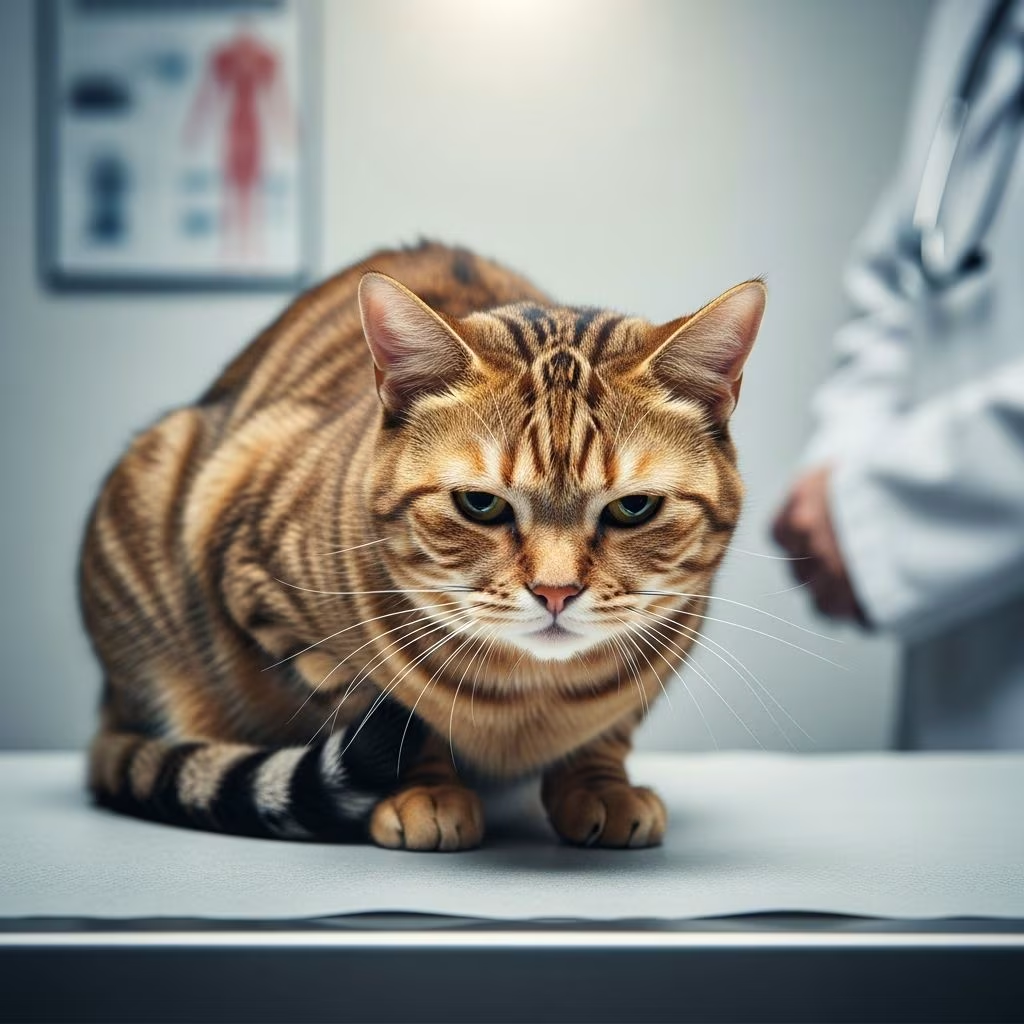
Cats typically urinate every 2-4 hours when healthy, but a complete inability to pee beyond 24-48 hours signals a life-threatening urinary blockage requiring immediate veterinary intervention.
Normal Urination Patterns in Cats
Understanding baseline feline bladder function is essential for spotting deviations. Healthy adult cats generally visit the litter box 2-3 times daily, producing 1-2 ounces of urine per session, influenced by diet, hydration, and activity levels. Kittens and seniors may urinate more frequently due to smaller bladders or age-related changes.
- Hydration impact: Cats on wet food urinate more often than those on dry kibble.
- Frequency variations: Outdoor cats might pee 4-5 times daily; indoor cats average 2-3.
- Volume norms: Total daily output around 50-100ml, clumping litter helps gauge this.
Deviations from these norms, especially reduced or absent urination, warrant close monitoring. A cat going 12 hours without peeing might just be resting, but 24 hours demands attention.
Critical Timeline: How Long Before It’s an Emergency?
A cat cannot safely go without peeing for more than 24-48 hours. Beyond this window, toxins build in the bloodstream, leading to kidney failure, electrolyte imbalances, and death. Male cats face higher risks due to narrower urethras.
| Time Without Peeing | Potential Effects | Action Needed |
|---|---|---|
| 12-24 hours | Mild discomfort, straining | Monitor closely, encourage water |
| 24-36 hours | Bladder distension, pain, lethargy | Vet visit ASAP |
| 36-48 hours | Kidney strain, vomiting, collapse | Emergency vet now |
| Over 48 hours | Fatal toxin buildup | Critical intervention required |
This timeline underscores urgency: urethral obstructions can kill within 48 hours if untreated.
Recognizing Early Warning Signs
Subtle cues often precede full blockages. Watch for increased litter box visits with minimal output, a hallmark of feline lower urinary tract disease (FLUTD).
- Straining or crying during attempts
- Frequent genital licking
- Blood-tinged or foul urine
- Urinating outside the box on cool surfaces
- Restlessness or hiding
As blockages progress, the bladder feels firm like a baseball upon gentle palpation, contrasting the soft, small bladder in healthy cats. Lethargy, appetite loss, and vomiting signal advanced distress.
Primary Causes of Feline Urinary Obstructions
Urethral blockages stem from multiple factors, with plugs being most common in males.
Urethral Plugs and Crystals
These soft masses of mucus, proteins, cells, and crystals form in the urethra, blocking flow. Dehydration exacerbates crystal formation in concentrated urine.
Bladder Stones (Uroliths)
Mineral buildup creates stones that lodge in the urethra. Diet plays a key role; certain foods promote struvite or calcium oxalate stones.
Inflammation and Spasms
Feline idiopathic cystitis (FIC), stress-induced bladder inflammation, causes swelling and spasms, mimicking blockages. Up to 50% of cases lack identifiable causes beyond inflammation.
Other Factors
Rarely, tumors, strictures, or infections contribute. Low water intake, dry diets, and obesity heighten risks.
Why Males Are at Greater Risk
The male cat’s long, narrow urethra predisposes them to plugs and stones, unlike females’ shorter, wider paths. Neutered males face even higher odds due to hormonal shifts affecting urine pH.
Immediate Steps for Suspected Blockage
Do not wait—rush to a vet. Home remedies like forcing water or massages risk rupture.
- Isolate and observe litter box behavior.
- Offer fresh water and wet food.
- Avoid dry food temporarily.
- Contact vet or emergency clinic immediately.
Vets use sedation for catheterization, IV fluids, and pain relief. Hospitalization lasts 24-72 hours.
Veterinary Diagnosis and Treatment Protocols
Diagnosis involves physical exams, bladder palpation, bloodwork for kidney values, and imaging. Treatments address the blockage and underlying issues.
- Relief: Urethral catheterization to flush debris.
- Supportive care: Fluids to correct electrolytes, anti-inflammatories.
- Prevention: Prescription diets, stress reduction.
Recurrence is common (up to 50%), necessitating lifelong management.
Prevention Strategies for Optimal Bladder Health
Proactive measures reduce risks significantly.
Dietary Adjustments
Switch to urinary health formulas that promote dilute urine and dissolve crystals. Increase wet food to boost hydration.
Hydration Boosters
Multiple water fountains, flavored waters, or broth entice drinking. Aim for urine that’s pale yellow.
Environmental Enrichment
Reduce stress with pheromone diffusers, playtime, and clean litter boxes (scooped daily, fully changed weekly). Multiple boxes for multi-cat homes prevent territorial issues.
Regular Vet Checkups
Annual urinalysis screens for crystals or infections early.
Long-Term Management After a Blockage
Post-treatment, monitor for 4-6 weeks. Medications like alpha-blockers relax the urethra; pain meds ease discomfort. Weight management prevents obesity-related strains.
Some cats need perineal urethrostomy surgery for repeat offenders, widening the urethra.
FAQs on Cat Urinary Issues
How long can a cat hold its pee safely?
Up to 24 hours occasionally, but regular patterns are 2-4 hours apart during wakefulness. Prolonged holds risk issues.
What if my cat strains but produces drops of urine?
This indicates partial blockage—seek vet care promptly to prevent full obstruction.
Can stress cause peeing problems?
Yes, FIC from stress inflames the bladder, leading to symptoms mimicking blockages.
Is urinary blockage fatal?
Untreated, yes—within 48 hours due to kidney failure.
How to tell if the bladder is blocked?
Firm, painful abdomen upon gentle touch; no urine despite straining.
Holistic and Supportive Care Tips
Supplements like glucosamine support bladder lining; cranberry extracts may deter bacteria, though evidence is anecdotal. Always vet-approved.
Track urination with apps or journals for patterns. Community resources like cat health forums offer peer support, but professional advice trumps all.
References
- Urinary Tract Blockage in Cats — PetMD. 2023. https://www.petmd.com/cat/conditions/urinary/urinary-tract-blockage-cats
- About urinary retention in cats — Lassie. 2023. https://de.lassie.co/en/articles/cat-stops-to-urinate
- Urinary retention in cats — Agria Pet Insurance. 2023. https://www.agriapet.co.uk/guides-and-advice/urinary-retention-in-cats/
- Feline Lower Urinary Tract Disease — Cornell University College of Veterinary Medicine. 2023. https://www.vet.cornell.edu/departments-centers-and-institutes/cornell-feline-health-center/health-information/feline-health-topics/feline-lower-urinary-tract-disease
- Urinary problems in cats — Cats Protection. 2023. https://www.cats.org.uk/help-and-advice/health/urinary-problems



