

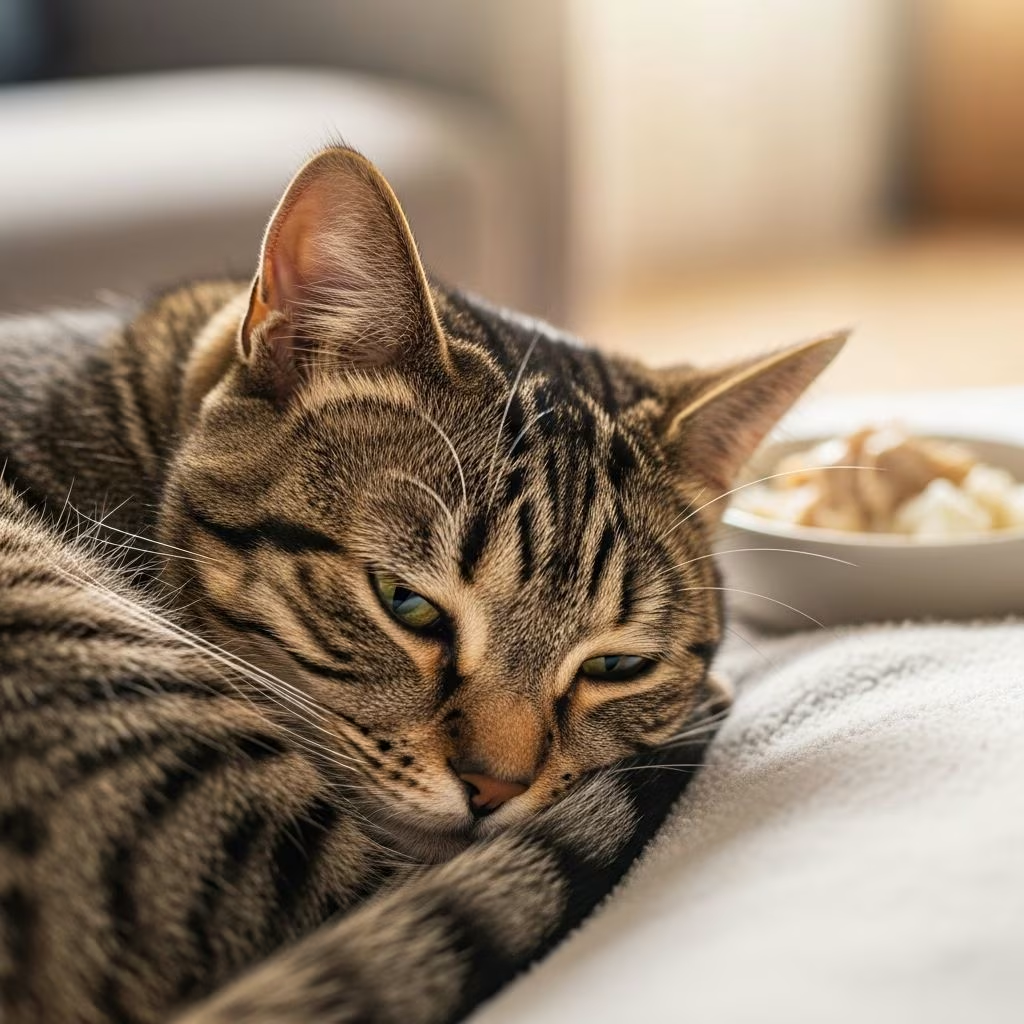
Upset stomach issues in cats are frequent concerns for pet owners, often manifesting through discomfort in the digestive process. These problems can arise from various factors affecting the gastrointestinal tract, which is vital for breaking down food, absorbing nutrients, and eliminating waste. Understanding this system helps in recognizing and addressing tummy troubles promptly.
Understanding Your Cat’s Digestive Anatomy
The feline digestive system is a specialized pathway designed for efficient nutrient extraction from meat-based diets. It begins in the mouth, where teeth and tongue grasp food, and saliva initiates minor enzymatic breakdown. Food then travels through the pharynx into the esophagus, a muscular tube about 12-15 inches long that uses peristalsis to propel contents to the stomach without active digestion.
In the stomach, powerful acids and enzymes start protein digestion, while muscles mix and liquefy the meal for small intestine delivery. The small intestine, comprising duodenum, jejunum, and ileum, is roughly 2.5 times the cat’s body length. Here, pancreatic enzymes break down carbs, proteins, and fats, with bile from the liver aiding fat emulsification for absorption.
The large intestine reabsorbs water and electrolytes, forming feces with bacterial help for tough fibers. The rectum stores waste until elimination. This tract’s efficiency suits obligate carnivores, but disruptions can lead to upset stomach.
Common Triggers of Digestive Distress in Cats
Several factors can disrupt this delicate balance. Sudden diet shifts overwhelm the stomach’s adaptation capacity, causing imbalance. Inedible objects like strings or plants may block passages, irritating linings. Infections from bacteria, viruses, or parasites target intestines, inflaming tissues. Stress from new environments alters gut motility, slowing digestion.
Food intolerances to ingredients like dairy or grains provoke reactions, as cats lack sufficient lactase post-weaning. Toxins from household plants or chemicals damage mucosal layers. Older cats face heightened risks from reduced organ function or chronic conditions like inflammatory bowel disease.
Recognizing Symptoms of Tummy Upset
Early detection prevents escalation. Watch for vomiting, which expels undigested or partially digested material, often with drooling or lethargy indicating stomach involvement. Diarrhea varies from loose stools to watery expulsion with blood or mucus signaling small intestine issues.
Loss of appetite, weight reduction, and abdominal discomfort shown by hunching or sensitivity are key. Excessive gas, foul breath, or dehydration signs like sunken eyes require attention. Frequency matters: occasional episodes may self-resolve, but persistent ones demand intervention.
Immediate Steps for Relief at Home
For mild cases, withhold food 12-24 hours to rest the gut, providing water to avoid dehydration. Gradually reintroduce bland diets like boiled chicken and rice in small portions. Probiotics support beneficial bacteria restoration. Hydration is crucial; use unflavored Pedialyte if needed.
Monitor closely; improvement should occur within 48 hours. Avoid human medications like Pepto-Bismol, toxic to cats.
Advanced Remedies and Supportive Care
| Remedy Type | Description | Benefits |
|---|---|---|
| Bland Diet | Boiled lean meats with carbs | Eases digestion, reduces irritation |
| Probiotics | Cat-specific strains | Restores gut flora balance |
| Hydration Aids | Electrolyte solutions | Prevents dehydration |
| Anti-Nausea Meds | Vet-prescribed | Controls vomiting |
These options soothe symptoms while addressing root causes. Always consult vets for tailored advice.
When to Seek Professional Veterinary Help
Urgent signs include repeated vomiting over 24 hours, bloody stools, severe lethargy, or bloating. Kittens, seniors, or chronic illness cats need immediate care. Diagnostics like bloodwork, ultrasounds, or fecal exams identify issues like obstructions or infections.
Delays risk complications like pancreatitis or organ failure.
Diagnostic Approaches for Persistent Issues
- Fecal Analysis: Detects parasites or bacteria.
- Blood Tests: Checks organ function and hydration.
- Imaging: X-rays or ultrasounds reveal blockages.
- Endoscopy: Visualizes internal tract.
These pinpoint problems for targeted treatment.
Preventive Strategies for Long-Term Gut Health
Consistent high-quality, digestible food matching age and activity prevents many issues. Gradual diet transitions over 7-10 days allow adaptation. Fresh water access, stress reduction via routines, and regular deworming/flea control are essential.
Annual vet checkups catch early signs. Avoid table scraps and toxic plants.
Nutritional Choices for Optimal Digestion
Select formulas with prebiotics for fiber support and omega fatty acids for mucosal integrity. Wet foods aid hydration, easing passage. Portion control prevents overeating-related upset.
FAQs on Cat Digestive Woes
Can stress cause diarrhea in cats?
Yes, stress disrupts motility, leading to loose stools. Calming environments help.
Is rice safe for cats with upset stomachs?
In small amounts with protein, yes, for short-term bland diets.
How long before vet for vomiting?
If over 24 hours or with other symptoms, seek help immediately.
Do hairballs count as upset stomach?
Frequent ones indicate irritation; grooming and diet fiber manage them.
Are probiotics effective for cats?
Vet-approved ones restore balance effectively.
Lifestyle Adjustments for Better Digestion
Incorporate play for motility, elevated bowls for comfort, and slow feeders to prevent gulping. Monitor weight to avoid obesity straining the gut.
References
- Structure and Function of the Gastrointestinal Tract in Cats — PetPlace. 2023. https://www.petplace.com/article/cats/pet-health/structure-and-function-of-the-gastrointestinal-tract-in-cats
- Cat Digestive System: Anatomy, Diseases, & Treatment — Cats.com. 2024. https://cats.com/cat-digestive-system
- Feline Digestive System — Willamette Veterinary Hospital. 2023. https://wilvet.com/interactive-animal/feline/digestive/
- The Digestive Tract of Dogs and Cats — MP Labo. 2022. https://www.mplabo.com/en/emag/the-digestive-tract-of-the-dog-and-cat/
- Surgical Anatomy of the Gastrointestinal Tract in Cats — PMC – NIH. 2023-08-29. https://pmc.ncbi.nlm.nih.gov/articles/PMC10451872/
- How to Keep Your Cats Digestive System on Track — FirstVet. 2024. https://firstvet.com/us/articles/cat-digestive-system-anatomy-and-functions
- Introduction to Digestive Disorders of Cats — Merck Veterinary Manual. 2025. https://www.merckvetmanual.com/cat-owners/digestive-disorders-of-cats/introduction-to-digestive-disorders-of-cats



