

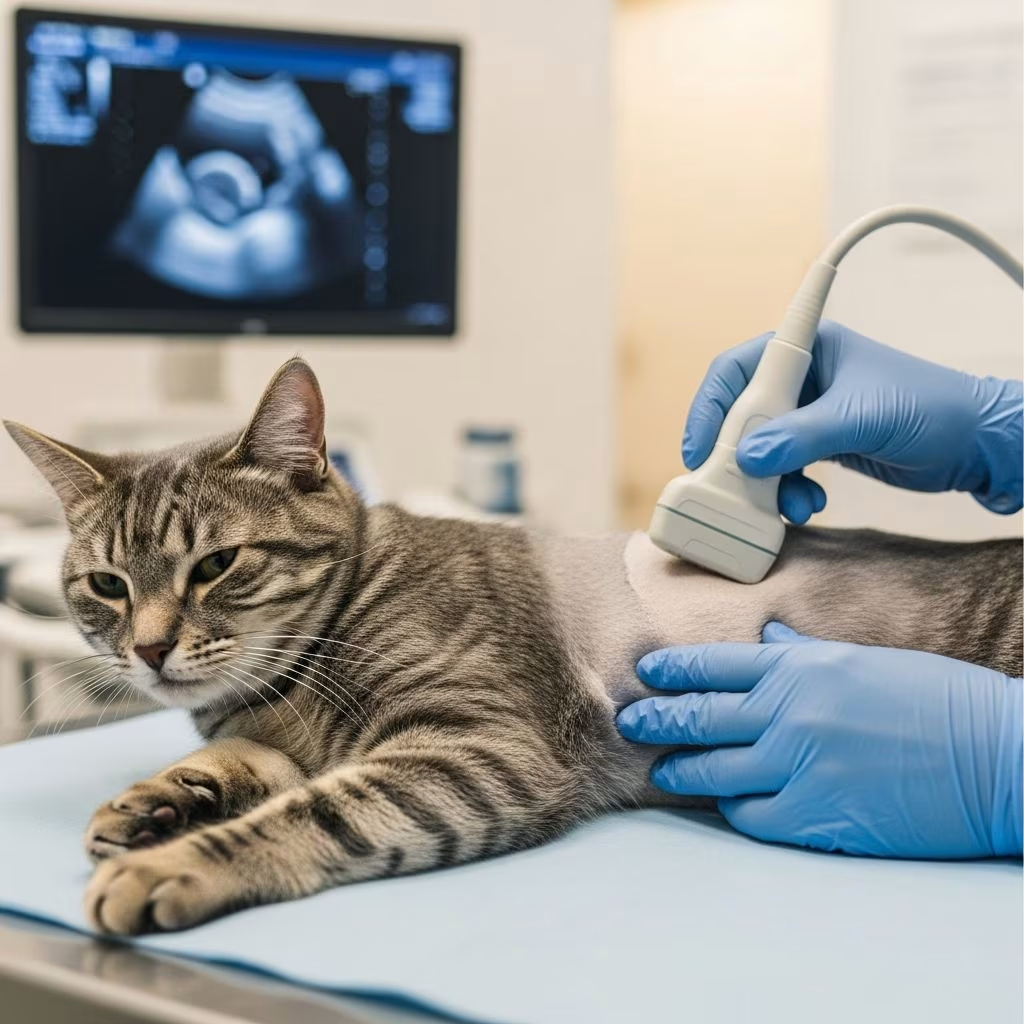
Ultrasound imaging serves as a cornerstone diagnostic tool in feline veterinary care, offering detailed views of internal organs without invasive measures. This guide delves into the costs associated with cat ultrasounds, exploring influencing factors, procedural details, and practical advice for pet owners.
Understanding Feline Ultrasound Procedures
Ultrasound uses high-frequency sound waves to create real-time images of a cat’s internal structures, particularly effective for soft tissues like the liver, kidneys, heart, and bladder. Unlike X-rays, it excels at distinguishing between fluid-filled cysts, solid tumors, and normal tissue, making it invaluable for conditions causing vomiting, weight loss, or blood in urine.
The procedure typically lasts 20-60 minutes, depending on the area examined. A veterinarian or trained technician applies gel to the cat’s shaved skin and glides a probe over it to capture images. This non-invasive method provides dynamic visuals, allowing assessment of organ function in motion.
Key Applications in Cat Health Diagnostics
Veterinarians recommend ultrasounds for specific feline health concerns:
- Abdominal Issues: Evaluating kidneys, liver, spleen, and intestines for masses, cysts, or inflammation, common in cases of appetite loss or diarrhea.
- Cardiac Evaluation: Assessing heart structure and function, crucial for murmurs or irregular rhythms.
- Pregnancy Monitoring: Confirming litter size, fetal viability, and detecting complications without radiation risks.
- Urinary Tract Problems: Visualizing bladder stones, tumors, or obstructions, especially with hematuria.
These applications often guide further steps like biopsies, enhancing diagnostic accuracy and treatment planning.
Factors Influencing Ultrasound Costs for Cats
Costs vary widely based on several elements. A basic abdominal scan might start at lower rates, while specialized exams add expenses.
| Factor | Impact on Cost | Typical Range |
|---|---|---|
| Location | Urban areas charge more due to overhead | $200-$600+ |
| Clinic Type | Specialty hospitals vs. general practices | $300-$1,000 |
| Sedation/Anesthesia | Required for uncooperative cats or biopsies | Adds $50-$250 |
| Exam Complexity | Full abdomen vs. targeted organ | $250-$800 |
| Boarding/Aftercare | If overnight stay needed | Adds $100-$300 |
Geographic differences play a major role; coastal or metropolitan regions often exceed national averages due to higher operational costs.
Average Pricing Breakdown Across Regions
Nationwide, a standard cat ultrasound averages $300-$600, but this fluctuates. Rural clinics may offer $250-$400 for routine scans, while emergency or referral centers in cities like New York or Los Angeles can reach $800-$1,500, especially with add-ons like fine-needle aspirates.
- Midwest/South: $250-$450 – Lower living costs benefit pet owners.
- West Coast: $400-$700 – High demand and tech investments.
- East Coast: $350-$650 – Competitive but pricey markets.
These figures exclude initial consultations ($50-$150) or follow-up tests, potentially totaling $500-$2,000 for comprehensive diagnostics.
Preparation Steps for Your Cat’s Ultrasound
Proper prep ensures optimal image quality and safety:
- Fast for 8-12 hours prior to abdominal scans to reduce bowel gas interference.
- Keep the bladder full by withholding water and litter access 3-6 hours before.
- No fasting needed for cardiac ultrasounds.
- Discuss medications; some may need pausing.
- Shaving is standard for clear contact, though alcohol-moistened fur works in some cases.
Inform your vet of any anxiety issues; most cats tolerate the procedure awake, but sedation calms fidgety ones.
Safety Profile and Minimal Risks Involved
Ultrasounds pose virtually no risks, using sound waves without radiation—ideal for pregnant queens or repeated use. Mild stress from restraint is the main concern, rarely requiring sedation. No long-term effects reported, with real-time imaging boosting safety during guided procedures like biopsies.
Post-procedure, monitor for appetite changes or lethargy, though most cats resume normal activities immediately.
Interpreting Results and Next Steps
Results appear instantly on-screen, with vets explaining findings on-site. Normal scans show uniform organ textures; abnormalities like irregular masses prompt biopsies or bloodwork. Share images with specialists if needed for second opinions.
Positive outcomes often lead to tailored treatments, from diet changes to surgery, improving prognosis.
Cost-Saving Strategies for Pet Owners
Minimize expenses without compromising care:
- Seek quotes from multiple clinics, including low-cost or university-affiliated ones.
- Opt for general practices over specialists unless complex.
- Use pet insurance covering diagnostics (50-90% reimbursement).
- Combine with routine checkups to bundle fees.
- Non-profits or payment plans ease burdens for uninsured cats.
Early detection via wellness screens can prevent pricier interventions.
When to Consider Ultrasound Over Other Imaging
Choose ultrasound for soft tissue clarity; X-rays suit bones or chests better. It’s radiation-free, real-time, and guides interventions precisely. Blood tests precede imaging to justify costs.
Real Owner Experiences and Insights
Many report $400 for kidney scans detecting early disease, crediting ultrasound for life-saving interventions. Others note sedation adds $100 but ensures cooperation. Satisfaction stems from non-invasive nature and quick results.
Future Trends in Feline Ultrasound Technology
Portable units and AI-enhanced imaging lower costs and improve access. Tele-ultrasound lets rural vets consult experts remotely, democratizing advanced diagnostics.
Frequently Asked Questions
Is cat ultrasound painful?
No, it’s painless; cats feel only probe pressure.
How long do results take?
Preliminary on-site; full report in 24-48 hours.
Does insurance cover it?
Many plans do, post-deductible; check policy.
Can I be present during the scan?
Often yes, unless radiation or stress factors apply.
Is sedation always needed?
Only for anxious cats or procedures; most go without.
References
- Ultrasound Examination in Cats — VCA Animal Hospitals. 2023. https://vcahospitals.com/know-your-pet/ultrasound-examination-in-cats
- How Safe Are X-Rays and Ultrasounds for Pets? — Harbourside Veterinary Hospital. 2023. https://harboursidevet.com/how-safe-are-x-rays-and-ultrasounds-for-pets-understanding-risks-and-benefits/
- Ultrasound Examination in Cats — Animal Hospital of Scottsdale. 2024-09-15. https://www.ahsvet.com/site/blog/2024/09/15/ultrasound-cats
- Diagnostic Imaging: The Benefits of Ultrasound for Pets — Rainier West Veterinary Hospital. 2023-12-07. https://rainierwestvet.com/2023/12/07/diagnostic-imaging-the-benefits-of-ultrasound-for-pets/
- Ultrasonography — Aurora Veterinary Care Community. 2023. https://www.auroravet.com/services/pets/ultrasonography



