

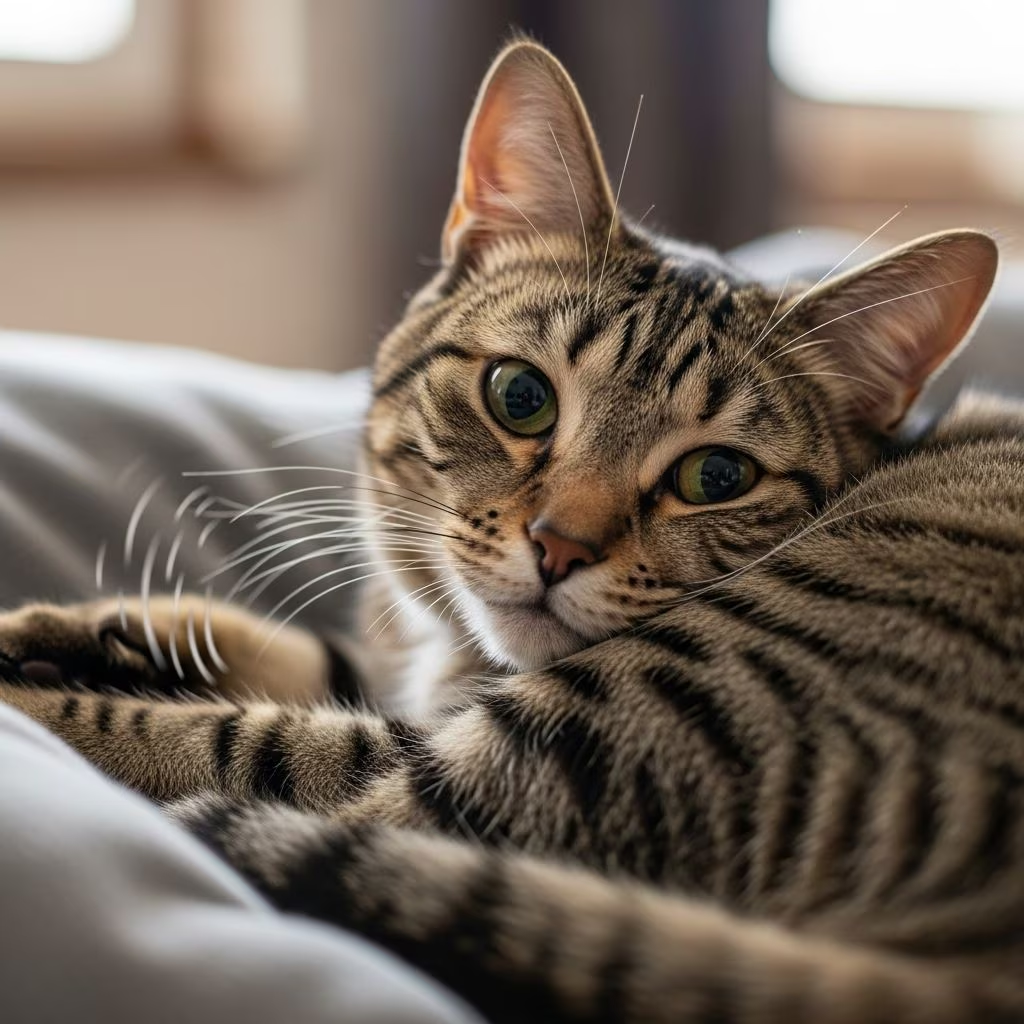
Observing your cat twitching—whether it’s a subtle ripple along the back, sudden head shakes, or full-body spasms—can be alarming for any pet owner. Cats are masters at hiding discomfort, so twitching often signals underlying issues ranging from benign excitement to serious neurological conditions like **feline hyperesthesia syndrome** (FHS), also known as twitchy cat syndrome. This comprehensive guide breaks down the **7 most common reasons for cat twitching**, drawing from veterinary expertise to help you identify normal vs. concerning behaviors, when to seek professional help, and effective management strategies.
Understanding cat twitching starts with recognizing that felines have a unique layer of muscle called the cutaneus trunci along their back, which can twitch in response to touch, excitement, or stress. Mild twitching during play or petting is often normal, but persistent, intense, or accompanied by other symptoms like frantic licking, aggression, or hiding warrants a vet visit. Early intervention can prevent escalation, especially for conditions like FHS that affect younger cats of breeds such as Abyssinian, Burmese, Persian, and Siamese.
What Does Cat Twitching Look Like?
Cat twitching manifests in various forms, making it essential to observe patterns:
- Rippling skin: A wave-like motion along the back or flanks, often seen in FHS, where the skin appears to roll independently.
- Muscle fasciculations: Fine, involuntary tremors in muscles, particularly the back, tail, or legs.
- Head bobbing or ear flicking: Quick, repetitive movements, possibly linked to neurological issues or ear problems.
- Full-body spasms: Intense shaking or convulsions, which could indicate seizures or toxicity.
- Tail chasing or self-attacking: Cats biting or scratching their tail/base aggressively, common in hyperesthesia.
These signs may occur suddenly, lasting seconds to minutes, and can be triggered by touch, stress, or spontaneously. Video your cat’s episodes for the vet, as symptoms often subside by appointment time.
7 Reasons Why Your Cat Is Twitching
Here are the **7 vet-verified causes** of twitching in cats, prioritized by commonality and severity:
1. Normal Feline Behavior (Cutaneous Muscle Response)
The most harmless cause: Cats’ backs have sensitive panniculus muscles that twitch when stimulated, like during petting or hunting play. This ‘skin twitch reflex’ helps them detect fleas or react to touch. It’s normal if brief and your cat seems happy.
2. Fleas and Parasites
Fleas cause intense itching, leading to twitching, overgrooming, and hair loss, especially at the tail base (flea allergy dermatitis). Mites or ticks can mimic this. Check for flea dirt (black specks) and treat with vet-approved spot-ons.
3. Pain from Injuries or Arthritis
Hidden pain from abscesses, wounds, anal gland issues, spinal arthritis, or pinched nerves triggers twitching and spasms. Cats lick or avoid touch in affected areas. Arthritis is common in seniors, causing back/limb tremors.
4. Skin Allergies or Dermatitis
Allergies to food, environment, or pollen cause pruritus (itching), presenting as twitching and lesions. Atopic dermatitis leads to scabs and bald patches.
5. Feline Hyperesthesia Syndrome (FHS)
A rare neurological/behavioral disorder causing extreme skin sensitivity, rippling, frantic running, dilated pupils, and aggression. Triggers include stress; more common in young purebreds. Not fully understood but linked to nerve hypersensitivity.
6. Seizures or Neurological Disorders
Partial seizures mimic twitching with erratic behavior; epilepsy, cerebellar hypoplasia, or spinal issues cause tremors. Infectious diseases like FIP or toxoplasmosis may contribute.
7. Other Causes: Hyperthyroidism, Toxicity, or Infections
Overactive thyroid causes tremors; toxins (lilies, chemicals) lead to sudden spasms; infections affect nerves.
| Cause | Key Symptoms | Common Triggers | Vet Action |
|---|---|---|---|
| Normal Behavior | Mild ripple during petting | Touch, excitement | Monitor |
| Fleas/Parasites | Itching, hair loss | Infestation | Parasite treatment |
| Pain/Arthritis | Limping, hiding | Injury, age | Pain meds, X-rays |
| FHS | Rippling, aggression | Stress | Med trial, behavior mod |
| Seizures | Convulsions, staring | Neurological | Anti-epileptics |
Is Cat Twitching Dangerous?
Mild, occasional twitching is rarely dangerous and often normal. However, if accompanied by lethargy, appetite loss, vocalizing, or behavioral changes, it signals potential issues like FHS or seizures requiring prompt care. FHS episodes can recur lifelong without management, impacting quality of life.
Diagnosis: What to Expect at the Vet
Vets start with a physical exam, history, and ruling out parasites/pain:
- Skin scrapes, flea combing.
- Bloodwork for thyroid/infections.
- Neurological exam, possibly MRI for spinal issues.
- Behavioral assessment for stress/OCD.
- Medication trials (e.g., gabapentin) to confirm FHS.
Diagnosis of FHS is by exclusion, as symptoms overlap with allergies or seizures.
Treatment Options for Twitching Cats
Treatment targets the cause:
- Parasites: Topical/oral preventives.
- Pain: NSAIDs, joint supplements.
- FHS/Seizures: Anti-anxiety (fluoxetine), anti-seizure (phenobarbital, gabapentin); 6/7 cats improve per studies.
- Stress Management: Pheromones, enrichment, slow changes.
No cure for FHS, but lifelong management works; glucocorticoids like prednisolone may help spasms.
How to Help a Twitching Cat at Home
While awaiting vet care:
- Reduce stress: Quiet spaces, consistent routine.
- Flea-proof environment.
- Avoid touching twitchy areas.
- Enrich: Toys, scratching posts.
- Diet trial for allergies.
Prevention Tips
Yearly vet checks, flea prevention, balanced diet, and low-stress homes minimize risks. Monitor for early signs in at-risk breeds.
Frequently Asked Questions (FAQs)
What if my cat’s back is twitching but seems happy?
Likely normal muscle response; observe for changes.
Can stress cause cat twitching?
Yes, it exacerbates FHS and anxiety-related spasms.
Is feline hyperesthesia fatal?
No, but unmanaged episodes reduce comfort; treatable with meds.
How do I differentiate fleas from FHS?
Fleas show dirt/bites; FHS has rippling without parasites—vet confirms.
Do all twitching cats need meds?
No, only if underlying issue; start with environment tweaks.
References
- What is Going on With Your Cat’s Abrupt Twitching? — Pet Wellbeing. 2023. https://petwellbeing.com/blogs/news/what-is-going-on-with-your-cats-abrupt-twitching
- Why Is My Cat’s Back Twitching? When to Worry — Cats.com. 2024. https://cats.com/why-is-my-cats-back-twitching
- Common Causes for Muscle Tremors in Cats — Central Broward Vet. 2023. https://centralbrowardvet.com/blog/muscle-tremors-in-cats/
- Feline Hyperesthesia Syndrome (Twitchy Cat Syndrome) — PetMD. 2024-01-15. https://www.petmd.com/cat/conditions/skin/feline-hyperesthesia-syndrome
- Understanding and Treating Feline Hyperesthesia — Shawsheen Animal Hospital. 2023. https://shawsheenanimalhospital.com/blog/understanding-and-treating-feline-hyperesthesia/
- Feline Hyperesthesia Syndrome: Causes, and Treatment Options — Arch Creek Animal Clinic. 2024. https://archcreekanimalclinic.com/feline-hyperesthesia-syndrome/
- Severe muscle fasciculations and tremor in a cat with … — NIH (PMC). 2017-05-01. https://pmc.ncbi.nlm.nih.gov/articles/PMC5415295/



