
Why Cats Are Obsessed With Tuna: The Science
Discover the genetic and chemical reasons behind your cat's irresistible love of tuna.
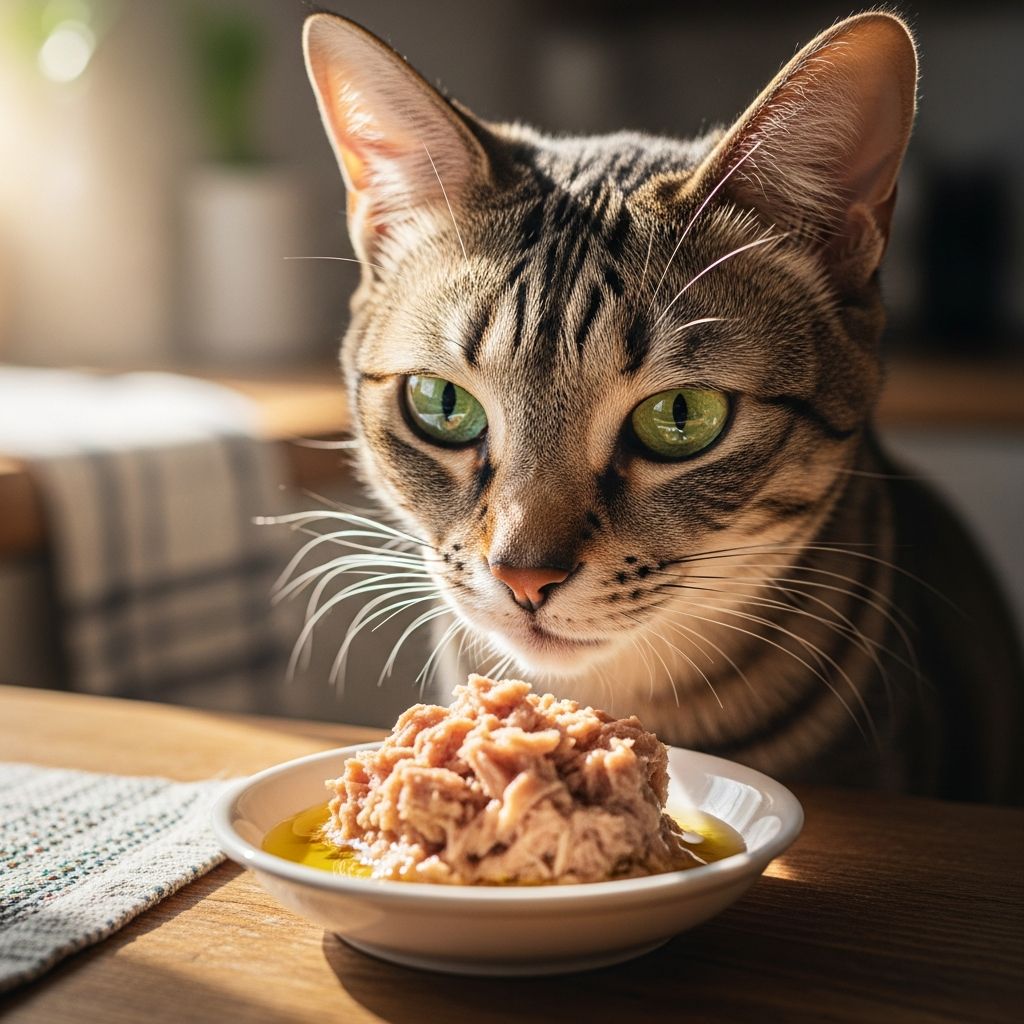
If you’ve ever opened a can of tuna in your kitchen, you’ve likely witnessed your feline companion’s immediate and intense reaction. Cats seem almost irresistibly drawn to this particular fish, sometimes appearing more enthusiastic about tuna than virtually any other food you might offer. This behavior puzzles many pet owners, leading to questions about whether their cats have a genuine preference for tuna or if something else entirely drives this seemingly universal obsession. Modern genetic research has finally provided clear answers to this long-standing mystery, revealing that the attraction is far more sophisticated than simple preference—it’s rooted in the fundamental biology of feline taste perception.
The Genetic Blueprint of Feline Taste Perception
To understand why cats demonstrate such a powerful attraction to tuna, we must first examine how feline taste perception differs from that of humans and other animals. Cats possess a unique genetic makeup that directly influences their ability to detect and process different flavors. Scientists studying the genes responsible for taste perception in cats discovered something remarkable: felines possess a version of the umami taste receptor gene that is distinctly different from the human equivalent. This genetic variation doesn’t make the receptor weaker or less functional; rather, it makes it extraordinarily specialized for detecting meat-based flavors.
Umami, often described as the savory or meaty taste, represents one of the five basic flavors alongside sweet, salty, sour, and bitter. Unlike humans, whose umami receptors respond to a relatively broad range of compounds, cats have evolved taste receptors with a much narrower but intensely sensitive focus. This specialization makes perfect evolutionary sense when considering that cats are obligate carnivores—meaning they require meat to survive and have evolved specifically to hunt and consume animal protein. Their taste buds have become finely tuned instruments for detecting the flavors associated with fresh prey.
The Umami Compounds That Trigger Feline Fascination
While cats possess an enhanced capacity to detect umami flavors generally, their particular fixation on tuna stems from the presence of two specific chemical compounds that tuna contains in extraordinarily high concentrations. These compounds—inosine monophosphate (IMP) and free L-histidine—are the keys to understanding feline behavior around this specific fish.
Research conducted by Scott J. McGrane and his associates demonstrated that cats’ taste buds are exquisitely sensitive to precisely these molecules. In laboratory testing, when researchers presented cats with water flavored with various umami compounds, the combination of histidine and inosine monophosphate proved to be one of the most preferred flavor combinations. As McGrane himself noted, this particular pairing seems to “hit that umami sweet spot” for feline palates. The specificity of this preference is remarkable—these aren’t just any umami compounds, but rather the exact molecular signature that tuna provides in abundance.
The concentration of these compounds in different protein sources varies dramatically. Tuna, particularly yellow-tail and mahi-mahi varieties, contains exceptionally high levels of both inosine monophosphate and free L-histidine. Other common protein sources that many people offer to their cats—including turkey, beef, chicken, pork, and lamb—contain only undetectable levels of these critical compounds. This explains why even the most devoted feline might turn its nose up at home-cooked chicken breast while showing intense enthusiasm for a modest portion of tuna. The molecular composition of the food directly determines whether it will trigger the cat’s umami taste receptors.
How Taste Buds Translate Chemical Signals Into Behavior
Understanding the mechanism by which taste works provides insight into why cats act so compulsively around tuna. When a cat’s taste buds encounter food, specialized receptor cells detect specific molecules present in that food. These receptors send signals to the brain, which interprets these chemical messages as tastes—the sensation the cat experiences when eating. This is not a passive process; the cat’s brain actively processes and evaluates the sensory information, generating the drive to consume the food.
For a cat encountering tuna, this process becomes particularly intense. The high concentration of IMP and L-histidine means that the umami receptors are flooded with signals. The cat’s brain receives an extremely strong and clear message: “This is excellent food worth consuming.” This doesn’t represent a behavioral quirk or learned preference—it’s a direct neurological response to the chemical composition of the food. The cat isn’t choosing to like tuna in any conscious sense; its biology is essentially compelling it to do so.
The Evolutionary Mismatch Between Ancient Origins and Modern Food
One of the most intriguing aspects of feline tuna obsession involves a fundamental evolutionary mismatch. Cats, as we know them today, descended from wild ancestors that lived in desert environments, where they hunted small rodents, birds, and other land-based prey. Tuna is a large, swift oceanic fish that would have been essentially inaccessible to these ancestral cats. The genetic specialization toward detecting umami compounds likely evolved to help ancestral cats identify prey animals, which are naturally rich in these exact compounds.
However, tuna represents an extreme case—it contains umami compounds in concentrations that vastly exceed those found in the natural prey that shaped feline taste evolution. Modern domestic cats are essentially encountering a “super stimulus” that their sensory systems never evolved to resist. This is similar to how the human brain responds to highly processed foods engineered to trigger maximum pleasure responses. Cats are responding appropriately to their evolutionary programming, but that programming encounters a food source far more potent than anything their ancestors ever experienced.
What Cats Cannot Taste: The Sweet Taste Gap
While cats possess an extraordinary ability to detect umami compounds, they are profoundly limited in their ability to taste sweetness. Genetic research has revealed that cats lack one half of the receptor necessary to detect sweet flavors—meaning their sweet taste perception is essentially non-functional. This genetic gap explains much about feline behavior and dietary preferences.
The absence of sweet taste sensitivity has significant practical implications for cat safety and behavior. Pet owners may have noticed that dogs frequently suffer accidental poisonings from chocolate and antifreeze—two substances that taste sweet to humans but are toxic. Cats, by contrast, show virtually no interest in these substances and suffer far fewer poisonings from sweet-tasting toxins. Their inability to taste sweetness, while depriving them of an entire category of flavor experience, actually provides a degree of protection against certain common household hazards.
This absence of sweet taste sensitivity further reinforces the reality that cats evolved purely as carnivores. While omnivorous humans and opportunistic canines benefit from the ability to detect and pursue sweet plant-based foods, obligate carnivores like cats have no evolutionary advantage in detecting sweetness. Their taste systems have become laser-focused on detecting the flavors associated with meat consumption.
The Behavioral Changes Associated With Tuna Consumption
Beyond the molecular preferences, scientific observation has documented measurable behavioral changes in cats fed tuna-based diets compared to those consuming other proteins. In controlled studies, researchers observed that cats eating tuna fish food demonstrated significantly less activity overall when monitored in their home environments. These tuna-fed cats spent considerably more time on the floor and devoted more time to eating compared to cats consuming beef-based food. They also vocalized less frequently and showed reduced playfulness in home settings.
These behavioral changes appear to reflect something beyond simple preference or contentment. The increased time spent eating and reduced overall activity suggest that the cats may have been experiencing some degree of distress or malaise associated with the tuna diet. The significance of these observations becomes apparent when considering the chemical composition of the tuna these cats were consuming.
Mercury and Nutritional Concerns Associated With Tuna
The same oceanic nature that makes tuna rich in umami compounds also means that tuna accumulates significant levels of mercury through bioaccumulation—the process by which toxins concentrate as larger fish consume smaller prey. This creates a genuine health concern for cats consuming tuna regularly, particularly when considering that cats have much smaller body mass than humans and thus process the same amount of mercury more intensely.
In the behavioral studies mentioned above, cats fed tuna diets developed significantly elevated tissue levels of both mercury and selenium compared to control animals. The mercury accumulation is not merely an incidental finding; research has documented that cats consuming tuna containing high mercury levels can develop mercury toxicity with neurological consequences. The reduced activity and behavioral changes observed in tuna-fed cats may actually reflect early signs of mercury exposure affecting their neurological function.
Beyond mercury concerns, tuna presents additional nutritional challenges for cats. Tuna is notably deficient in vitamin E, a critical nutrient that cats require for maintaining health. If a cat’s diet becomes heavily weighted toward tuna, the nutritional imbalance can eventually cause disease. Additionally, tuna is calorie-dense enough that regular consumption can rapidly lead to feline obesity, which carries its own cascade of health problems.
Frequency and Portion Recommendations
Given the dual nature of tuna—simultaneously representing an intense sensory experience that cats find nearly irresistible while also posing genuine health risks—pet owners face a challenging balancing act. In small amounts, tuna can serve as a safe and nutritious treat for cats. The key word here is “small”—tuna should never become a dietary staple or constitute a significant portion of a cat’s regular nutrition.
Veterinarians generally recommend treating tuna more like a special occasional treat rather than a regular food offering. The ideal approach involves offering tuna infrequently and in modest quantities, ensuring that it never becomes the primary source of the cat’s umami sensations. When tuna is offered, it should be properly prepared—cooked and entirely plain, with no added oils, seasonings, or other additives that might amplify the appeal or create additional health concerns.
Many cats show strong preferences for particular food types and can become fixated on their favorites, which sometimes makes introducing dietary variety a challenge. However, the documented health risks associated with excessive tuna consumption make it important for conscientious pet owners to establish reasonable boundaries around tuna availability in the household.
Understanding the Difference Between Preference and Compulsion
One important distinction emerges from the scientific literature: the cat’s attraction to tuna represents something quite different from simple preference. A preference implies choice and evaluation. A cat might prefer one brand of chicken food over another, for instance, based on learned associations or subtle flavor differences. The tuna obsession, by contrast, appears to reflect something closer to a compulsion—a strong neurological drive triggered by specific chemical compounds rather than a deliberate choice.
This distinction matters because it explains why cats sometimes seem almost unable to resist tuna, even when they have access to other perfectly acceptable food options. The cat isn’t being stubborn or difficult; its sensory and neurological systems are responding with appropriate intensity to a food source that appears, from a molecular perspective, to be exceptionally nutrient-dense prey. The challenge for pet owners lies in recognizing that their cat’s intense tuna interest reflects genuine biology rather than mere preference, making moderation particularly important.
Frequently Asked Questions
Can I feed my cat tuna every day?
No. While small amounts of tuna are safe, daily consumption exposes cats to cumulative mercury toxicity risks, vitamin E deficiency, and obesity. Veterinarians recommend treating tuna as an occasional treat rather than a dietary staple.
Why does my cat seem addicted to tuna?
Cats have specialized umami taste receptors that respond intensely to inosine monophosphate and L-histidine—compounds found in exceptionally high concentrations in tuna. This creates a neurological response that appears almost compulsive to observers.
Are there healthier alternatives that cats enjoy?
While other meats lack the specific umami compounds found in tuna, properly prepared cooked chicken, turkey, or beef can still provide nutritious options that many cats will accept. Some cats may need a gradual transition away from tuna.
Is canned or fresh tuna better for cats?
Both varieties contain the problematic mercury levels. Canned tuna in water (with no added sodium) is preferable to oil-packed varieties, but either should be offered only occasionally and in small amounts.
Moving Forward: Healthy Alternatives and Balanced Nutrition
Understanding the science behind feline tuna obsession empowers pet owners to make more informed decisions about their cats’ diets. The biological reality is that cats possess taste systems that evolved to prioritize meat consumption and can become intensely focused on foods that trigger these specialized receptors. However, knowledge of this biological predisposition need not mean surrendering to the cat’s every culinary demand.
By recognizing tuna as an occasional treat rather than a dietary foundation, by understanding the specific health risks associated with regular consumption, and by working with veterinarians to develop nutritionally balanced feeding plans, pet owners can honor their cats’ biological nature while protecting their long-term health. The fact that cats find tuna nearly irresistible reflects millions of years of evolutionary refinement, but that ancient programming need not dictate modern feeding practices.
References
- A tuna fish diet influences cat behavior — National Library of Medicine (PubMed). Accessed via https://pubmed.ncbi.nlm.nih.gov/3385793/
- A Tuna Fish Diet Influences Cat Behavior — Cornell University, Toxic Chemicals Laboratory. Research study on behavioral and biochemical effects of tuna-based diets in cats. https://kah.habilis.net/Houpt-1988.4.pdf
- Why Cats Like Tuna — UExpress, The Animal Doctor. 2023-10-08. https://www.uexpress.com/pets/animal-doctor/2023/10/08
- The Surprising Science Behind Your Cat’s Tuna Obsession — Animal Medical Center of New York. 2024-01-24. https://www.amcny.org/blog/2024/01/24/the-surprising-science-behind-your-cats-tuna-obsession/
- Can Cats Eat Tuna? — PetMD. Veterinary nutrition information on tuna safety and health considerations for feline consumption. https://www.petmd.com/cat/nutrition/can-cats-eat-tuna
- Cats Shouldn’t Love Tuna (But They Do) — YouTube. Educational content on evolutionary mismatch between feline origins and modern food availability. https://www.youtube.com/watch?v=w7pdvGs6QII
Similar Articles








Read full bio of medha deb




