

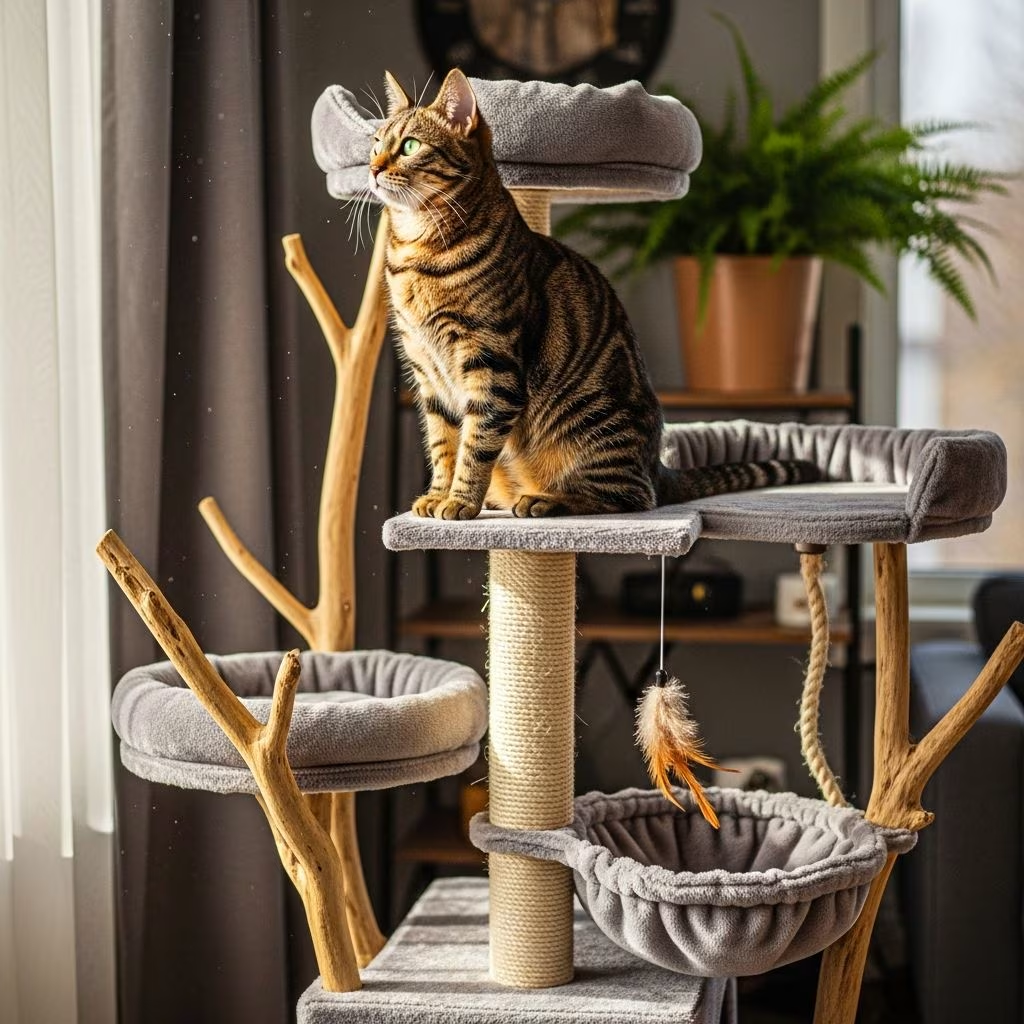
Yes, Your Kitty Needs a Cat Tree: How to Choose the Best One
If you’re a cat owner, you’ve likely noticed your feline friend’s natural inclination to climb and perch at high vantage points. Whether it’s scaling your curtains, jumping onto shelves, or attempting to reach the top of your furniture, cats have an innate need for vertical space. A cat tree isn’t just a luxury item—it’s an essential piece of furniture that can significantly enhance your cat’s quality of life while protecting your home from unwanted scratching and climbing.
Why Your Cat Needs a Cat Tree
Understanding your cat’s behavior is the first step in recognizing why a cat tree is so important. Cats are natural climbers and hunters who instinctively seek high ground for better vantage points and to escape perceived threats. In the wild, these elevated positions provide safety and allow them to observe their surroundings for prey and danger. Your indoor cat maintains these same instincts, and a quality cat tree satisfies these fundamental behavioral needs.
Fulfilling Natural Instincts
Cats spend a significant portion of their day climbing, scratching, and perching in elevated spaces. These aren’t just random behaviors—they’re essential expressions of feline nature. When you provide a designated cat tree, you’re allowing your cat to engage in these natural behaviors safely and appropriately within your home. This helps prevent destructive behaviors that might otherwise be directed at your furniture, curtains, or walls.
Physical and Mental Health Benefits
Regular climbing and scratching contribute significantly to your cat’s physical well-being. When your cat jumps from one level to another on a cat tree, they engage in cardiovascular exercise that maintains muscle strength and joint flexibility. This is particularly important for indoor cats who may have limited opportunities for natural movement and exercise. Additionally, the mental stimulation provided by exploring different platforms, observing their environment from new heights, and engaging in play reduces boredom and prevents behavioral issues. A mentally stimulated cat is a happier, better-behaved companion.
The Health Advantages of Cat Trees
Beyond behavioral satisfaction, cat trees provide measurable health benefits for your feline friend. Indoor cats face unique health challenges that a properly selected cat tree can help address.
Weight Management and Exercise
Obesity is a significant health concern for indoor cats, leading to diabetes, arthritis, and reduced lifespan. Cat trees encourage movement without making exercise feel forced or unnatural. Climbing between levels, jumping to different platforms, and stretching across various surfaces burn calories and maintain healthy weight. For indoor cats with limited space, a cat tree provides essential physical activity opportunities.
Joint and Muscle Health
Climbing helps maintain joint flexibility and muscle strength, which becomes increasingly important as cats age. The stretching motion involved in scaling a cat tree mimics natural movements that promote healthy joint function. For senior cats, choosing a tree with ramps or lower platforms encourages gentle movement and prevents stiffness. This preventive approach can reduce the risk of arthritis and other age-related mobility issues.
Stress Reduction and Anxiety Management
Cat trees serve as safe retreats where your cat can escape household stress. The elevated perches provide visual control of their environment, which naturally calms anxious cats. A secure cat tree with enclosed cubbies or deep beds creates a sanctuary where your cat can retreat when feeling overwhelmed. This is especially valuable in multi-pet households or homes with young children, where a cat tree offers necessary personal space.
Behavioral Benefits and Home Protection
Beyond health, cat trees address important behavioral needs and protect your home from damage.
Scratching and Nail Maintenance
Cat trees with integrated scratching surfaces serve a dual purpose: they maintain your cat’s nail health while protecting your furniture. Most cat trees feature sisal rope or other scratching materials where cats can naturally sharpen their claws. When cats’ nails become overgrown, they can catch in fabrics and cause discomfort during grooming. Providing a designated scratching surface encourages appropriate nail maintenance and discourages your cat from using your couch or carpet.
Scent Marking and Territory Management
Scratching isn’t solely about nail care—it’s also how cats communicate and mark territory. When cats scratch surfaces, they spread their scent, which is an important communication tool with other cats. In multi-cat households, cat trees with multiple scratching surfaces help cats time-share different areas and reduce conflict by allowing them to mark their preferred spaces.
Preventing Destructive Behaviors
A cat tree addresses many behaviors that can damage your home. By providing appropriate climbing, scratching, and perching surfaces, you redirect your cat’s natural urges away from furniture, curtains, and walls. Mental stimulation from exploration and play reduces boredom-related destructive behaviors. The result is a happier cat and a better-preserved home.
Creating a Safe Space for Multi-Pet Households
If you have multiple pets, a cat tree becomes even more essential. Cats need a space where they can escape from dogs, other cats, or children when they need rest or feel stressed. A tall cat tree with elevated platforms provides refuge that’s out of reach from ground-level pets, giving your cat control over their interactions and reducing conflict.
Training household members is crucial—teach dogs and children that when a cat is in the tree, it means the cat wants to be left alone. This creates a sanctuary that your cat can rely on, significantly reducing anxiety and promoting better behavior throughout your home.
How to Choose the Best Cat Tree for Your Home
Selecting the right cat tree requires consideration of several factors specific to your cat and living situation.
Assessing Your Space and Home Layout
Before purchasing a cat tree, evaluate your available space. Measure the height of your ceiling and identify the best location for the tree. Consider high-traffic areas versus quiet corners based on your cat’s personality. Some cats prefer being in the center of family activity, while others enjoy quiet observation spots. The ideal location should be easily accessible and in an area where your cat naturally gravitates.
Considering Your Cat’s Size and Age
Your cat’s size and age significantly impact the appropriate tree choice. A large, athletic adult cat needs a sturdy tree with multiple levels that can support their weight and accommodate vigorous jumping. Senior cats or cats with mobility issues benefit from trees with ramps or lower platforms that require less jumping effort. Kittens need safe, manageable heights that prevent falls while they develop coordination.
Evaluating Height and Stability
Cat trees come in various heights, from compact designs around two feet to tall towers reaching six feet or more. Taller trees provide more vertical territory and viewing options, which many cats prefer. However, stability is paramount—a cat tree that wobbles or tips creates a safety hazard. Choose a tree with a sturdy base, quality construction, and appropriate weight capacity for your cat’s size.
Material Quality and Durability
Look for cat trees made with high-quality materials that withstand regular use. Solid wood or metal frames provide better durability than flimsy plastic. Plush materials should be soft and comfortable but also resistant to wear. Sisal rope scratching surfaces should be securely wrapped and thick enough to withstand aggressive scratching. Quality construction ensures your investment lasts for years.
Features to Look For
Different cat trees offer various features that can enhance your cat’s experience:
- Multiple Levels and Platforms: More levels provide more climbing opportunities and territory options.
- Enclosed Hideaways or Cubbies: Cats appreciate enclosed spaces where they can nap securely and observe without being seen.
- Scratching Surfaces: Sisal rope, corrugated cardboard, or carpet-wrapped areas encourage appropriate scratching.
- Perches and Hammocks: Various seating options accommodate different preferences and activities.
- Toy Attachments: Hanging toys add mental stimulation and play opportunities.
- Ramps or Steps: These features particularly benefit senior cats and those with mobility challenges.
Color and Aesthetic Considerations
While your cat doesn’t care about decor, you do. Choose a cat tree that complements your home’s aesthetic without compromising on quality and function. Modern designs come in various colors and finishes that can coordinate with contemporary furniture, while traditional styles work well with classic interiors. Remember that function should always take precedence over appearance.
Placement and Setup Tips
Once you’ve selected the perfect cat tree, proper placement maximizes its benefits. Position the tree near a window if possible—cats love observing outdoor activity. Place it in an area where your cat already enjoys spending time. Near your cat’s food or litter area can be convenient but ensure the tree isn’t in a high-traffic zone where household activity might make your cat feel anxious.
Secure the tree properly to prevent tipping, especially if you have energetic cats. Ensure all parts are assembled correctly and checked regularly for wear or loose components. If your cat seems uninterested initially, try placing treats or toys on the platforms to encourage exploration and use.
Frequently Asked Questions
Q: At what age can kittens use a cat tree?
A: Kittens can use cat trees once they can climb safely, typically around 8-12 weeks old. Start with lower platforms and gradually introduce higher levels as they grow and develop coordination.
Q: How much does a quality cat tree cost?
A: Cat tree prices range from $50 to $500+ depending on size, materials, and features. Investing in quality construction ensures durability and safety for your cat.
Q: Can an older or overweight cat use a cat tree?
A: Yes, but choose a tree with lower platforms, ramps, or steps that minimize jumping impact. Lower trees and ground-level options make climbing safer and more comfortable for senior or heavier cats.
Q: How do I encourage my cat to use the cat tree?
A: Place treats, toys, or catnip on the platforms. Spend playtime near the tree to make it an attractive area. Cats often copy behavior, so if you direct them to the tree during play, they’ll eventually explore independently.
Q: How often should I clean the cat tree?
A: Clean the cat tree weekly by vacuuming surfaces and wiping platforms. Wash removable covers monthly according to care instructions. Regular maintenance extends the tree’s life and maintains hygiene.
Q: Do all cats like cat trees?
A: Most cats appreciate cat trees, though preferences vary by individual personality. Shy or anxious cats especially benefit from the safe elevated spaces cat trees provide. If your cat isn’t initially interested, try different locations or features.
Conclusion
A cat tree is far more than a decorative accessory—it’s an essential component of a healthy, enriching environment for your feline friend. By providing vertical territory, safe retreat spaces, and opportunities for exercise and mental stimulation, a quality cat tree supports your cat’s physical health, emotional well-being, and natural behaviors. Whether you have a playful kitten, an active adult cat, or a senior feline, choosing the right cat tree tailored to your cat’s individual needs and your home’s layout ensures that your kitty thrives. Invest in this important piece of furniture, and you’ll enjoy years of watching your cat play, climb, perch, and relax in their perfect sanctuary.
References
- Why Cat Trees Are Essential for Your Feline Friend — Catenary Home. 2024. https://catenaryhome.com/blogs/catenary-blogs/cat-trees-essential-feline
- The Benefits of a Cat Tree — Cat Behavior Associates. 2024. https://catbehaviorassociates.com/the-benefits-of-a-cat-tree/
- What Are the Benefits of Having a Cat Tree in Cincinnati, OH? — Carey Animal Hospital. 2024. https://careyanimalhospital.com/blog/cat-tree-cincinnati-oh/
- Benefits of Having a Cat Tree — Zoetis Petcare. 2024. https://www.zoetispetcare.com/blog/article/benefits-cat-tree
- Why Cats Need Cat Trees: A Behavioral Perspective — KBS Pets. 2024. https://kbspets.com/blogs/news/why-cats-need-cat-trees-a-behavioral-perspective



