

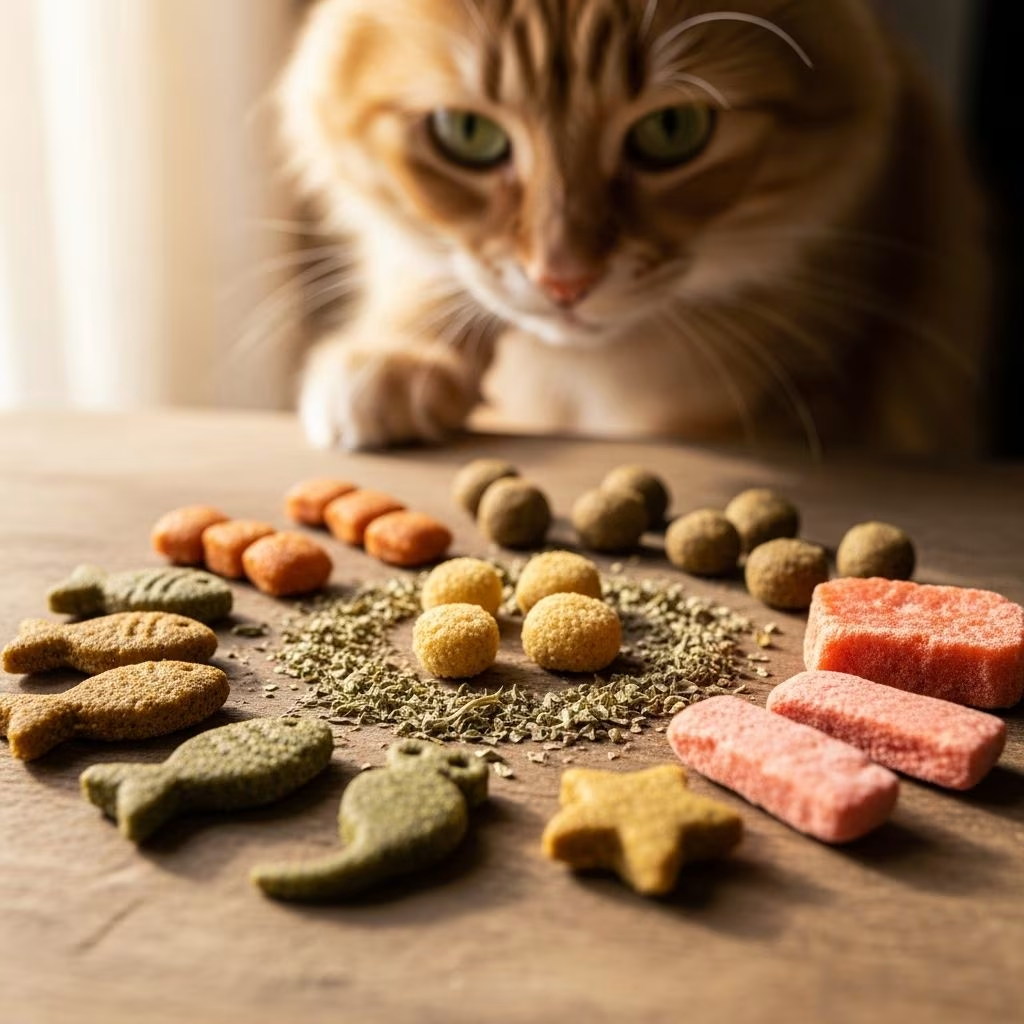
Providing treats to your cat can enhance bonding, aid training, and add excitement to their routine, but only when done thoughtfully. Treats must complement a balanced diet without dominating it, ensuring your pet stays healthy and energetic.
Why Treats Matter in a Cat’s Life
Cats view treats as more than mere snacks; they serve as rewards that reinforce good behaviors and strengthen the human-feline connection. High-quality options supply extra nutrients like proteins that mimic their natural prey diet. According to veterinary guidelines, treats should constitute less than 10% of daily calories to prevent issues like obesity. This limit maintains nutritional equilibrium from primary kibble or wet food.
Beyond nutrition, treats facilitate positive reinforcement during sessions teaching tricks such as sitting or coming when called. They also help shy or rescued cats build trust gradually through gentle associations. Variety in flavors—think fish, poultry, or novel proteins—keeps finicky eaters engaged, provided allergies are ruled out first.
Selecting Top-Quality Cat Treats
Quality starts with ingredient scrutiny. Prioritize products listing real animal proteins like chicken or salmon as the primary component, minimizing fillers, grains if sensitive, artificial colors, or excessive sugars. Short lists signal cleaner formulations ideal for digestive health.
- Protein-Rich Formulas: Essential for obligate carnivores; seek at least 30% protein content.
- Low-Calorie Options: Perfect for weight management, often under 2 calories per piece.
- Dental Aids: Crunchy textures scrape tartar, supporting oral hygiene alongside brushing.
- Hypoallergenic Varieties: Single-source proteins reduce reactions in sensitive cats.
Consult vets for tailored picks, especially for kittens needing growth support or seniors with joint concerns. Reputable brands undergo testing for safety and palatability.
Portion Control: The 10% Rule Explained
Maintaining ideal weight demands discipline. Treats exceeding 10% of caloric needs risk nutritional shortfalls and fat accumulation. For a 10-pound cat on 200 daily calories, that’s roughly 20 calories max from snacks—about 10 small pieces.
| Cat Weight (lbs) | Daily Calories | Max Treat Calories | Example Pieces (2 cal each) |
|---|---|---|---|
| 8 | 180 | 18 | 9 |
| 10 | 200 | 20 | 10 |
| 12 | 240 | 24 | 12 |
Adjust based on activity, spay/neuter status, and health. Track intake via apps or journals to avoid creep.
Creative Ways to Use Treats Effectively
Integrate treats purposefully to maximize benefits. During play, dispense via puzzle feeders to mimic hunting, boosting mental stimulation. Training sessions reward commands promptly with tiny bits, fostering quick learning.
For stress relief, offer during vet visits or moves—calming formulas with pheromones or chamomile soothe without sedation. Bonding moments like grooming sessions pair treats with gentle pets, turning chores into joys. Spread throughout the day: morning trick, midday play, evening cuddle.
Dangers to Dodge with Cat Treats
Not all treats suit every cat. Overfeeding prompts begging, reduced meal interest, and pancreatitis. Human foods pose severe threats: chocolate, onions, grapes induce toxicity; milk causes diarrhea in lactose-intolerant adults. Raw items risk bacterial contamination like salmonella.
- Choking Hazards: Supervise large chews; opt for small, digestible shapes.
- Bone Risks: Cooked fragments splinter; raw transmit pathogens.
- Additive Overload: High salt strains kidneys; sugars fuel diabetes.
Sudden introductions spark allergies—itching, vomiting signal pauses. Transition over 7-10 days by mixing with familiar food.
Safety Protocols for Handling Treats
Hygiene prevents cross-contamination. Wash hands 20 seconds post-handling; sanitize bowls and scoops with hot soapy water. Avoid pet bowls as scoops to dodge bacteria. Discard expired products securely to deter scavenging.
Supervise consumption, especially novel textures. Provide ample fresh water near dry treats for hydration. Families with kids or immunocompromised members extra-cautious: no face-licking post-eating.
Tailoring Treats by Life Stage and Health
Kittens: Fueling Growth
Up to 12 weeks, prioritize DHA-rich treats for brain development. Limit to tiny portions amid frequent meals; avoid adult formulas lacking tailored nutrients.
Adults: Maintenance Focus
Balanced for energy; low-cal if indoor. Dental and hairball varieties address common woes.
Seniors: Joint and Organ Support
Soft, glucosamine-infused for mobility; renal-friendly low-phosphorus. Vet-approved only.
Special Needs: Prescription Paths
Overweight? Zero-calorie broths. Allergies? Novel proteins. Therapeutic diets demand vet-guided treats.
DIY Treats: Safe Home Recipes
Craft with vetted ingredients: bake tuna puree on parchment (350°F, 10 mins) or freeze chicken broth cubes. Ensure no xylitol, onions; bake kills pathogens. Portion meticulously; vet-check recipes first. These personalize while controlling quality.
Common Myths Busted
- Myth: Milk is a treat staple. Fact: Most cats digest lactose poorly.
- Myth: More treats mean more love. Fact: Health trumps indulgence.
- Myth: All crunchy equals dental clean. Fact: Only textured formulas aid.
Frequently Asked Questions
How often can I give treats?
Limit to 10% daily calories, spread across 2-3 purposeful moments, not freely.
Are soft treats better than crunchy?
Depends: soft for seniors, crunchy for teeth; match to preferences and needs.
Can treats replace meals?
Never— they lack complete nutrition.
What if my cat ignores treats?
Warm slightly for aroma; try flavors; ensure hunger isn’t extreme.
Raw treats safe?
Generally no— pathogen risks high; cook or avoid.
Monitoring and Adjusting
Weigh monthly; body condition score (feel ribs sans pressure) guides tweaks. Vet annuals catch early issues. Log responses to new treats for patterns. Adjust with seasons—active summers allow slight increases.
In summary, treats elevate cat companionship when chosen wisely, portioned strictly, and used strategically. Prioritize safety, variety, and veterinary input for a thriving pet.
References
- Cat Treats Do’s and Don’ts — Purina Australia. 2024. https://www.purina.com.au/cat-treats-dos-and-donts.html
- Feeding Treats to Your Cat — WSAVA. 2024-06. https://wsava.org/wp-content/uploads/2024/06/Feeding-treats-to-your-cat-v2.pdf
- A Beginner’s Guide to Cat Treats — Heads Up For Tails. 2023. https://headsupfortails.com/blogs/cats/beginners-guide-to-cat-treats-what-to-look-for-what-to-avoid
- About Pet Food Safety — CDC. 2025. https://www.cdc.gov/healthy-pets/about/pet-food-safety.html
- Beginner’s Guide to Cat Treats and Safe Feeding — Petoska. 2024. https://www.petoska.com/blogs/news/beginners-guide-to-cat-treats-and-safe-feeding-for-pets
- Safe Handling of Pet Food and Treats — AVMA. 2024. https://www.avma.org/resources-tools/pet-owners/petcare/safe-handling-pet-food-and-pet-treats
- Tips for Safe Handling of Pet Food and Treats — FDA. 2025. https://www.fda.gov/animal-veterinary/animal-health-literacy/tips-safe-handling-pet-food-and-treats



