

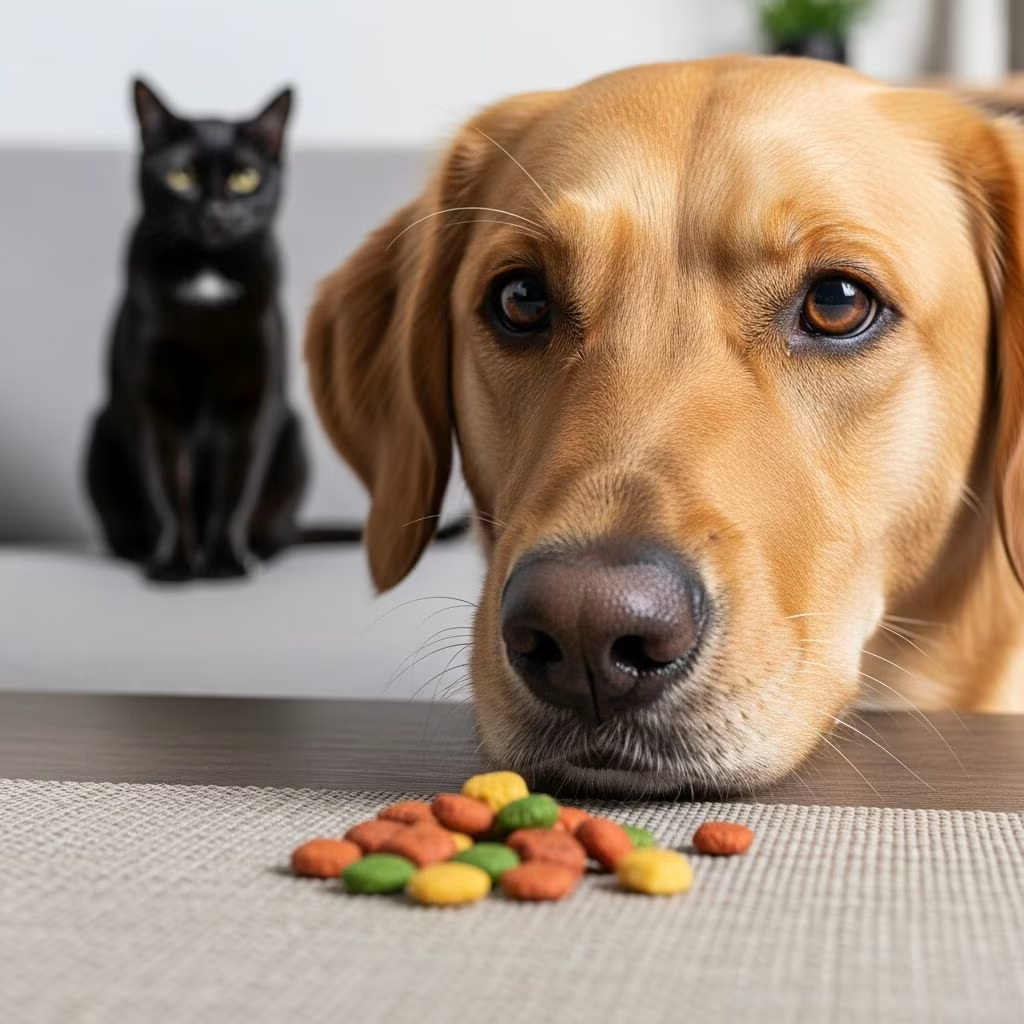
While it might seem harmless to share cat treats with your dog, especially if they sneak one from the counter, regular consumption can pose significant health challenges. Dogs and cats have distinct nutritional needs due to their biological differences—cats as obligate carnivores and dogs as omnivores—which makes cross-feeding treats inadvisable over time.
Why Nutritional Profiles Differ Between Cats and Dogs
Cats require diets high in animal proteins and specific amino acids like taurine, which dogs can produce naturally. Cat treats are calorie-dense with elevated fat and protein levels to meet these feline demands, often lacking the balanced carbs and fibers suited for dogs.
- High Fat Content: Supports cats’ energy needs but can overload a dog’s system, promoting fat accumulation.
- Elevated Calories: Designed for smaller, less active cats, leading to excess intake in larger dogs.
- Taurine Focus: Essential for cat heart and eye health but unnecessary and potentially disruptive in excess for dogs.
Dog treats, conversely, incorporate more plant-based elements and moderate proteins, aligning with canine digestive capabilities.
Health Risks of Feeding Dogs Cat Treats
Occasional nibbles rarely cause issues, but habitual feeding introduces multiple concerns. Veterinary experts emphasize monitoring for long-term effects to prevent chronic conditions.
Obesity and Weight Gain
Cat treats pack more calories per piece, ideal for supplementing small cat meals but excessive for dogs. Regular indulgence contributes to obesity, straining joints, hearts, and increasing diabetes risk. Breeds prone to weight issues, like Labradors, face amplified dangers.
Digestive Disturbances
The rich protein and fat profile overwhelms canine guts unaccustomed to such concentrations. Symptoms include vomiting, diarrhea, cramps, and discomfort, particularly after larger quantities.
Allergic Reactions and Sensitivities
Ingredients safe for cats might trigger dog allergies, manifesting as itching, rashes, ear infections, or gastrointestinal woes. Common culprits include novel proteins or preservatives not standard in dog formulas.
Nutritional Imbalances
Over-reliance skews a dog’s diet away from balanced macros, potentially causing deficiencies in fiber or vitamins tailored for omnivores. Puppies suffer most, as their growth demands precise calcium-phosphorus ratios absent in cat products.
| Risk Factor | Impact on Dogs | Why Cat Treats Contribute |
|---|---|---|
| Obesity | Joint strain, diabetes | Higher calories/fats |
| Digestive Issues | Vomiting, diarrhea | Excess protein/fat |
| Allergies | Skin/ear problems | Species-specific ingredients |
| Imbalances | Growth defects in pups | Missing canine nutrients |
Understanding the Reverse: Dog Treats for Cats
Just as cat treats mismatch dogs, dog treats fail cats. Lacking taurine leads to vision loss, heart disease, and immune weakness. High carbs cause digestive upset, as cats poorly process them. Choking hazards from larger sizes and toxins like onions or propylene glycol compound risks.
- Taurine Deficiency: Cats can’t synthesize it adequately; dog treats omit it.
- Carb Overload: Leads to loose stools or vomiting.
- Toxic Additives: Garlic, onions harm felines.
Maintain species-specific feeding to safeguard both pets.
Signs Your Dog Has Eaten Too Many Cat Treats
Watch for immediate red flags post-indulgence:
- Lethargy or weakness
- Persistent vomiting/diarrhea
- Abdominal bloating/pain
- Sudden weight fluctuations
- Skin irritations or scratching
If symptoms persist beyond 24 hours or worsen, consult a vet promptly. Puppies, seniors, or dogs with pre-existing conditions merit extra caution.
Choosing the Best Treats for Your Dog
Opt for dog-formulated treats matching your pet’s age, size, and health profile. Prioritize natural ingredients, low calories, and vet endorsements.
Key Selection Criteria
- Ingredient Transparency: Avoid fillers, artificial colors.
- Calorie Control: Limit to 10% of daily intake.
- Functional Benefits: Dental chews, joint support for specific needs.
- Allergen-Free: Grain-free if sensitive.
Homemade options like carrot sticks or plain yogurt offer safe, low-cal alternatives. Always introduce new treats gradually.
Preventing Treat Temptations in Multi-Pet Homes
Separate feeding zones and elevated cat shelves minimize access. Train ‘leave it’ commands and use puzzle toys for dog-exclusive rewards. Store treats securely to curb counter-surfing.
Expert Veterinary Insights
Vets universally advise against routine cross-species treats, stressing balanced diets prevent 90% of diet-related illnesses. Annual check-ups catch imbalances early.
Frequently Asked Questions (FAQs)
Is a single cat treat harmful to my dog?
Rarely, but monitor for upset. Habitual sharing risks health.
Can puppies safely eat cat treats?
No—growth nutrients mismatch heightens dangers.
What if my dog ate a whole bag of cat treats?
Observe for distress; seek vet care if symptoms appear.
Are there any cat treats safe for dogs?
None reliably—choose dog-specific always.
How do I transition my dog from cat treats?
Gradually swap with equivalents, rewarding compliance.
Promoting Long-Term Canine Wellness
Beyond treats, prioritize complete dog food, exercise, and hydration. Treats enhance bonding but never supplant nutrition. Consult vets for personalized plans, ensuring your dog thrives vibrantly.
References
- About Pet Food Safety — Centers for Disease Control and Prevention (CDC). 2023-10-05. https://www.cdc.gov/healthy-pets/about/pet-food-safety.html
- Safe handling of pet food and pet treats — American Veterinary Medical Association (AVMA). 2024-01-15. https://www.avma.org/resources-tools/pet-owners/petcare/safe-handling-pet-food-and-pet-treats
- Human Foods Cats and Dogs Can Eat and Foods to Avoid — MedVet. 2023-11-20. https://www.medvet.com/human-foods-cats-dogs-to-eat-and-avoid/
- Can Dogs Eat Cat Treats? Differences Between Dog and Cat Snacks Explained — Happy Hounds CBD. 2024-02-10. https://happyhoundscbd.com/blogs/the-happy-pets-blog/can-dogs-eat-cat-treats-differences-between-dog-and-cat-snacks-explained
- Can dogs eat cat treats? | ManyPets — ManyPets. 2023-09-12. https://manypets.com/uk/articles/can-dogs-eat-cat-treats/



