

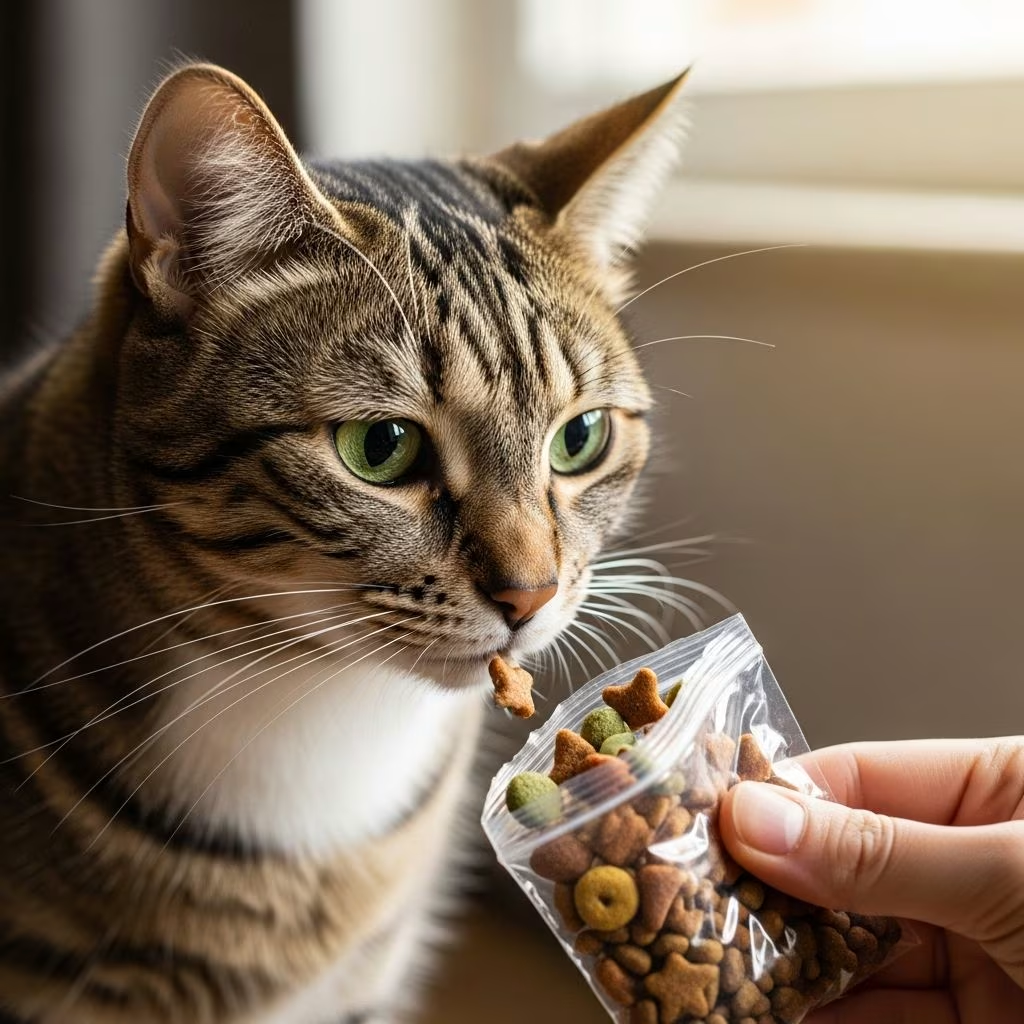
Your cat’s relentless meowing for treats might seem endearing at first, but it can signal deeper issues. Many felines develop a strong fixation on snacks, leading to begging, weight gain, and potential health complications. This guide explores the roots of this behavior, its consequences, and actionable solutions to help your pet thrive.
Recognizing Excessive Craving for Snacks
Cats show clear signs when treats dominate their routine. Persistent vocalizations, such as loud meowing or yowling near the treat stash, often indicate dependency. Some become overly excited during mealtimes, pacing impatiently or pawing at cabinets. Physical cues include rubbing against legs in the kitchen or attempting to raid food bags.
- Constant begging: Following owners room-to-room for handouts.
- Aggressive reactions: Hissing, swatting, or biting when denied access.
- Over-interest in human food: Jumping on counters to sniff meals.
- Impatience at bowls: Refusing to leave even scraps behind.
These behaviors stem from habituation, where repeated rewards reinforce the cycle. Indoor lifestyles amplify this, as cats lack natural foraging outlets.
Why Cats Develop This Fixation
Several factors drive cats to obsess over treats. High-fat, flavorful options like those with crunchy exteriors and soft centers mimic hunting prey, tapping into instincts. Strong aromas from animal digests make them irresistible, while variety in meaty or seafood profiles adds excitement.
Boredom plays a key role; sedentary cats seek stimulation through eating. Emotional bonds form too, as owners use snacks for affection, creating positive associations. Certain treats include additives enhancing palatability, potentially leading to over-reliance.
| Factor | Description | Impact |
|---|---|---|
| Texture & Flavor | Crunchy outside, soft inside with potent scents | Triggers predatory instincts |
| Boredom | Lack of activity in indoor settings | Shifts focus to food for entertainment |
| Training Habits | Treats as rewards | Builds expectation of constant payouts |
| Nutrient Additives | Vitamins or flavors in some products | Encourages repeated seeking |
Health Dangers of Overindulgence
Unlimited treats disrupt nutrition, often exceeding 10% of daily calories, which should be the maximum. Obesity emerges quickly in less active cats, raising risks for diabetes, joint strain, high blood pressure, and urinary issues. Dental problems arise from sugary coatings, while excess fat contributes to respiratory strain and shorter lifespans.
- Obesity-related conditions: Arthritis, type 2 diabetes.
- Organ stress: Liver fat accumulation, heart disease.
- Behavioral escalation: Food guarding among multi-pet homes.
Underlying issues like hyperthyroidism or parasites can mimic hunger; sudden changes warrant vet checks.
Assessing Your Cat’s Ideal Weight
Maintain health by monitoring body condition. Feel the ribs—they should be palpable without excess fat. From above, the waist should curve gently; from side, a tummy tuck is visible. Use this scale:
| Score | Description |
|---|---|
| 1-3 (Underweight) | Ribs highly visible, no fat cover |
| 4-5 (Ideal) | Ribs felt easily, waist defined |
| 6-7 (Overweight) | Ribs hard to feel, abdomen rounded |
| 8-9 (Obese) | No waist, fat pendulous |
Weigh monthly and adjust portions. High-quality kibble or wet food forms the base, with treats as rare bonuses.
Strategies to Curb the Habit
Breaking the cycle requires consistency. Never reward demands; instead, redirect energy.
Increase Play and Enrichment
Interactive sessions burn calories and satisfy hunting urges. Toys like feather wands or laser pointers distract from cravings. Puzzle feeders dispense kibble slowly, mimicking foraging for mental stimulation.
Implement Portion Control
Limit treats to 10% of calories—calculate based on weight (e.g., 200 calories daily for 10lb cat means 20 from treats max). Hide stashes and dispense via timed puzzles.
Switch to Healthier Options
Opt for low-calorie, nutrient-dense alternatives like freeze-dried meat or veggie bits. Avoid high-carb mixes; prioritize protein-focused ones.
Training Techniques for Lasting Change
Clicker training shifts rewards from food to praise. Mark desired actions (sitting, coming when called) with a click, then treat sparingly. Gradually phase treats out, using pets or toys.
- Charge the clicker: Pair sound with treats 10-20 times.
- Teach basics: Click for target touch or name response.
- Fade treats: Reward every third success with non-food items.
This builds discipline without dependency.
Medical Evaluations and When to Seek Help
Rule out issues like diabetes or worms via vet exams, bloodwork, or fecal tests. Behavioral consults help stubborn cases. Track intake with apps for patterns.
Building a Balanced Daily Routine
Structure prevents fixation:
- Morning: Measured meal + 15min play.
- Midday: Puzzle feeder lunch.
- Evening: Small dinner, training session, wind-down toys.
- Treats: Only post-good behavior, max 5 pieces.
Multi-cat homes use separate feeding zones to reduce competition.
Frequently Asked Questions
Can treats cause diabetes in cats?
Yes, excess calories from treats contribute to obesity, a diabetes precursor. Limit strictly and monitor weight.
How do I stop nighttime begging?
Ignore completely; feed last meal earlier. Play before bed tires them out.
Are all treats unhealthy?
No, but most are calorie-dense. Choose vet-approved, low-fat varieties sparingly.
What if my cat gets aggressive without treats?
Separate during calm-down periods. Consult trainers for desensitization.
How long to break the habit?
1-4 weeks with consistency; patience yields results.
Long-Term Wellness for Your Feline
Fostering healthy habits ensures vitality. Regular weigh-ins, varied play, and balanced nutrition keep treats as joys, not crutches. Your cat will thank you with purrs and playfulness.
References
- Understanding Cat Addiction to Treats — Lemon8. 2023. https://www.lemon8-app.com/@yacomer/7445595831014523434?region=us
- What Is In Temptations That Makes Cats Go Crazy — Kwikpets. 2024. https://www.kwikpets.com/blogs/cat/what-is-in-temptations-that-makes-cats-go-crazy
- Is Your Cat Addicted To Treats? [Solutions & Alternatives] — TheCatSite. 2024. https://thecatsite.com/c/is-your-cat-addicted-to-treats/
- 10 Signs Your Cat Is Food Addicted – 5 Recommendations — Four Paws. 2023. https://fourpaws.org/10-signs-that-your-cat-is-addicted-to-food-and-5-recommendations-to-break-the-cycle/



