

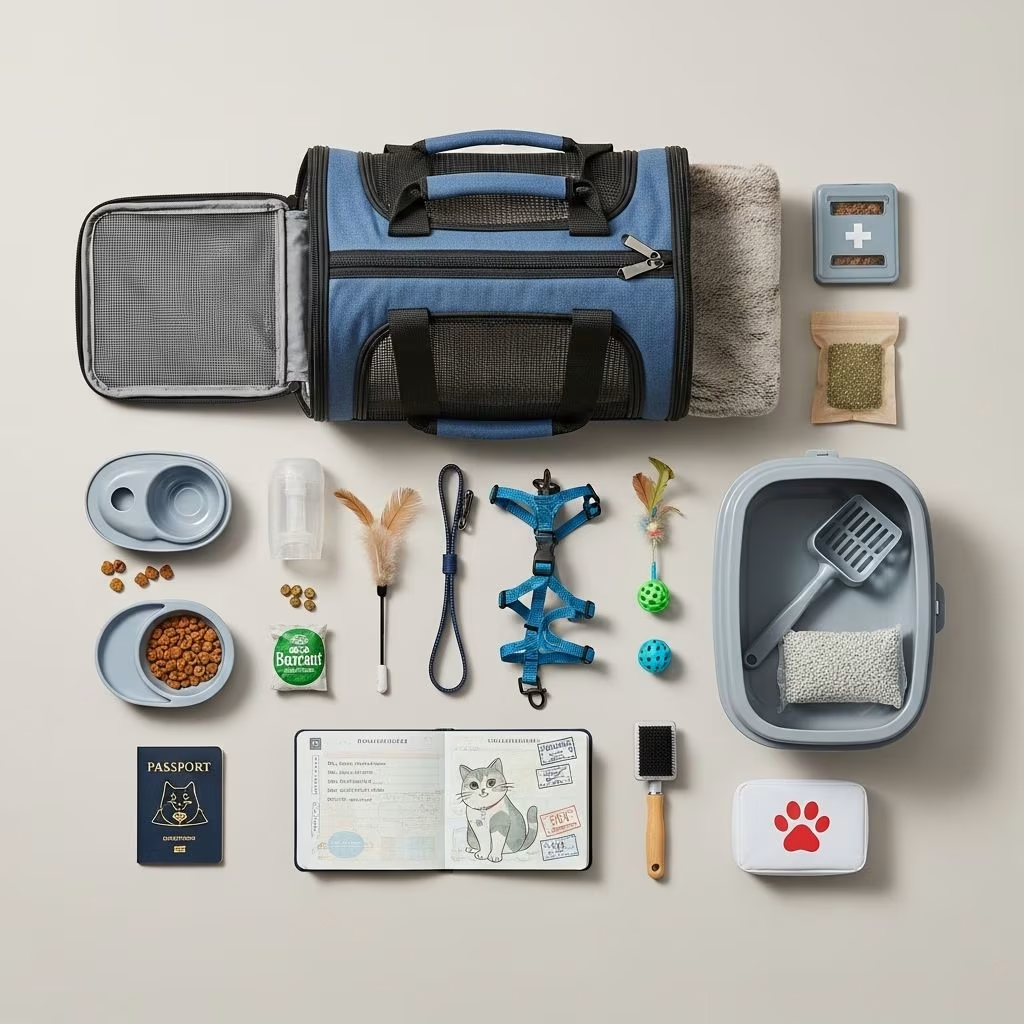
Traveling with a cat requires thoughtful planning to minimize stress and ensure safety. Whether embarking on a short drive or an international flight, proper preparation transforms potential chaos into a manageable experience for both you and your pet.
Understanding Your Cat’s Travel Needs
Cats thrive on familiarity and routine, making changes like travel particularly challenging. Territorial by nature, they often view carriers or new environments as threats. Start by assessing your cat’s temperament: calm, adaptable felines handle trips better than highly anxious ones. Introduce travel concepts gradually to build positive associations, reducing fear responses during actual journeys.
Key factors influencing success include age, health status, and prior exposure to carriers. Kittens adapt faster, while seniors may need veterinary clearance. Always prioritize modes of transport that allow supervision, such as driving over flying when possible.
Selecting the Perfect Carrier
The carrier forms the cornerstone of safe cat travel. Opt for models with ample space for standing, turning, and lying down comfortably, yet secure enough to prevent sliding. Top-loading designs simplify placement for reluctant cats, while mesh panels ensure ventilation and visibility.
Introduce the carrier weeks in advance: position it openly in a quiet home area, lining it with familiar bedding infused with your cat’s scent. Reward exploration with treats to foster positivity. For adventures, consider backpack carriers with sturdy frames and clear windows, ideal for hikes or urban outings.
- Hard-sided carriers: Best for air travel durability.
- Soft-sided carriers: Lightweight for car trips.
- Backpacks: Hands-free for active explorations.
Pair carriers with a harness and leash for supervised breaks, preventing escapes in unfamiliar spots.
Health Preparations Before Departure
Veterinary oversight is non-negotiable. Schedule a check-up 10-14 days prior to confirm fitness for travel. Essential requirements include microchipping for identification, up-to-date rabies vaccination (mandatory for international trips, administered at least 21 days before flight), and current boosters for other vaccines.
Administer flea, tick, and parasite preventives to safeguard against regional pests. For air travel, obtain a health and acclimation certificate signed by a licensed vet within 10 days of departure, verifying temperature tolerance and overall readiness. Discuss anti-anxiety aids or motion sickness remedies if your cat shows signs of distress, but avoid sedation without professional guidance due to respiratory risks.
| Health Checkpoint | Timeline | Purpose |
|---|---|---|
| Microchip & ID Collar | Immediate | Recovery if lost |
| Rabies Vaccine | 21+ days pre-trip | Legal requirement |
| Health Certificate | Within 10 days | Airline compliance |
| Parasite Treatment | 1-2 weeks prior | Prevent infestations |
Calming Techniques and Anxiety Management
Anxiety manifests as vocalizing, hiding, or aggression. Counter this by creating a “safe space” within the carrier using pheromone-impregnated blankets or toys that smell like home. Synthetic pheromone sprays, applied 15 minutes before travel, mimic calming facial scents.
Gradual desensitization works wonders: begin with short, positive sessions like carrier treats followed by play. Products like natural calming treats or CBD oils (vet-approved) ease nerves without drowsiness. During travel, cover the carrier partially to dim stimuli and play soft familiar sounds via a clipped phone.
- Short car rides: Drive smoothly, avoid feeding large meals beforehand.
- Long hauls: Schedule hydration stops with spill-proof bowls.
- Flight prep: Practice airport simulations at home.
Packing the Ultimate Travel Kit
A well-packed kit prevents mishaps. Essentials include leak-proof litter bags, collapsible bowls, moist food portions, and cat-safe disinfectant wipes for accidents. Secure medications in labeled pouches with dosing instructions.
For extended trips, pack a portable litter box with biodegradable scoops. Harness, extra leash, and spare collar tags with your contact info add security. Familiar items like a worn T-shirt provide olfactory comfort.
- Carrier with padded liner.
- Harness, leash, and ID tags.
- Food, water bowls, and measured meals.
- Litter solutions and cleanup tools.
- Calming aids and toys.
- Health docs and meds.
Mastering Car Travel with Cats
Secure the carrier on the seat with a belt; a non-slip mat inside curbs motion. Start with brief drives to rewarding destinations, limiting sessions to 10-15 minutes initially. Cover three sides to block views, reducing external triggers. Stop every 2 hours for ventilation checks, offering water but avoiding unleashing in unsafe areas.
For multi-hour trips, withhold heavy feeding 4-6 hours prior to combat nausea. Calm driving—steady speeds, no horns—enhances comfort.
Navigating Air Travel Regulations
Airlines dictate strict rules: cabin allowances vary, favoring under-seat carriers. Book direct flights to minimize layover stress. At security, request private screening if needed; keep the cat harnessed inside.
International journeys demand destination-specific checks: rabies proof, import permits, and quarantine rules. Trim nails pre-flight to lessen escape injury risks. Post-flight, provide quiet recovery time.
Adventure Travel: Backpacks and Harnesses
For outdoor enthusiasts, harness training enables leashed exploration. Choose escape-proof vests fitting snugly over shoulders. Backpacks with perches allow supervised views during hikes or public transit.
Practice at home: reward harness wear with play. Combine with carriers for hybrid trips, transitioning seamlessly.
Boarding Alternatives When Travel Isn’t Ideal
Not all trips suit cats—opt for trusted boarding if absences exceed 24 hours without interaction. Tour facilities beforehand, seeking quiet, cat-only zones. Supply home-scented bedding, regular food, and play schedules to ease separation.
Update vaccines per facility policy; label all items clearly.
Frequently Asked Questions
Can I sedate my cat for travel?
Consult a vet first—improper sedation risks airway obstruction, especially in warm cabins.
How do I litter-train during trips?
Use portable, hooded boxes with quick-clumping litter; place in secure, shaded spots during stops.
What if my cat escapes at the airport?
Harness and microchip mitigate risks; stay calm, alert staff, and use treats to lure back.
Are backpacks safe for long hikes?
Yes, with ventilation and weight limits; monitor for overheating and provide frequent breaks.
How young can kittens travel?
After 8-12 weeks, post-vaccinations; avoid until weaned fully.
Post-Trip Recovery Tips
Upon arrival, recreate home routines immediately: familiar food, litter, and quiet spaces aid decompression. Monitor for appetite loss or lethargy, consulting vets if persisting beyond 48 hours. Reflect on the journey to refine future prep.
References
- Pets on Planes Lesson 1: Preparing and Receiving Pets for Air Travel — USDA APHIS. 2024-10-01. https://www.aphis.usda.gov/pet-travel/pets-on-planes/preparing-pets-air-travel
- Travel Safety Tips — ASPCA. 2023-05-15. https://www.aspca.org/pet-care/general-pet-care/travel-safety-tips
- Cat Travel & Boarding Prep — Mountain Aire Vet Hospital. 2025-09-18. https://mountainairevet.com/2025/09/18/cat-travel-boarding-prep/
- The Ultimate Guide – How to Fly With Your Cat — Your Cat Backpack. 2024-03-12. https://yourcatbackpack.com/blogs/cat-backpack-tips-and-advice/the-ultimate-guide-to-flying-with-your-cat
- Traveling With Your Cat: A Complete Guide for Pet Parents — Outdoor Bengal. 2024-07-22. https://www.outdoorbengal.com/blogs/adventure-cat-training/travel-with-a-cat



