

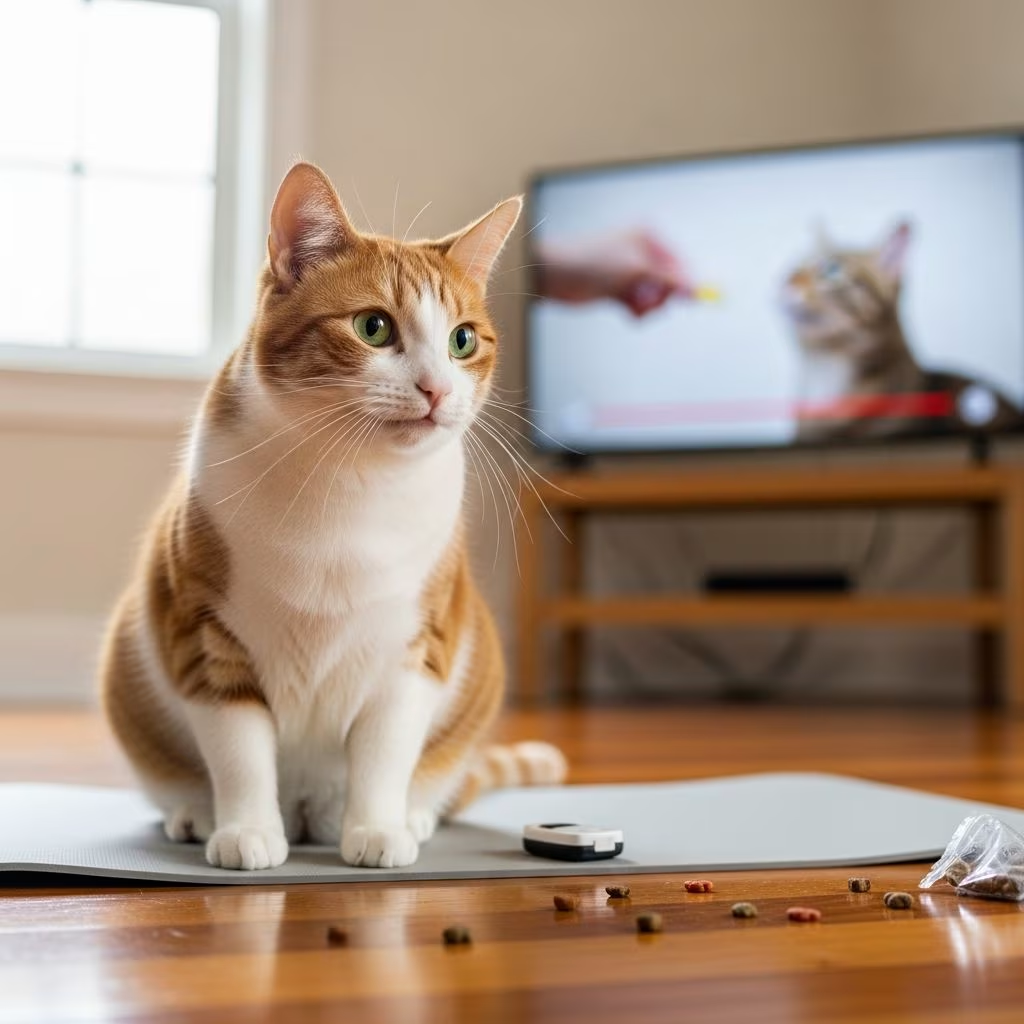
Did you know that you’re already training your cat every single day? It’s true! Every interaction you have with your cat can reinforce whatever behavior they just did. Whether you’re aware of it or not, your daily actions shape your cat’s responses and habits. The good news is that with the right knowledge and techniques, you can train your cat in a way that improves both of your lives. Cat training isn’t about forcing your feline friend to do things against their will—it’s about creating positive associations and building a stronger bond through mutual understanding and reward-based training.
The following videos and tips offer practical tricks for how to train cats and kittens, from basic commands to enrichment activities that keep your cat mentally stimulated and emotionally balanced. Whether you have a playful kitten or a senior cat, these training methods can be adapted to suit your pet’s age, personality, and learning style.
The Up-Down Game: Your First Training Activity
The up-down game is the perfect activity to start with because it’s easy, fun, and incredibly effective for bonding. This foundational exercise sets the stage for all your upcoming training activities and helps establish a positive training routine with your cat. The beauty of the up-down game is that it leverages your cat’s natural instincts while rewarding them for specific behaviors.
Once your cat has mastered the knack of the up-down game, you can play it in situations where your cat is feeling stressed or anxious. The familiar feeling of the game combined with your comforting presence and connection will help your cat feel confident in challenging situations. This game is particularly useful during vet visits, thunderstorms, or when introducing new people to your home. The game creates a sense of security and control that can significantly reduce your cat’s stress levels.
To begin, use treats or toys to encourage your cat to follow a simple up-and-down motion with your hand. When your cat responds correctly, reward them immediately with praise, treats, or playtime. Consistency is key—practice this game for short sessions of 5-10 minutes, multiple times per week. You’ll be amazed at how quickly your cat picks up on the pattern and begins to anticipate the game.
Targeting: Leading Your Cat to Success
Targeting is your next cat training activity, and it opens up a world of possibilities for both you and your feline friend. Targeting teaches your cat to follow a specific object or your hand to different locations. This skill becomes invaluable in real-world situations where you need your cat to move from one place to another safely and cooperatively.
Once your cat has mastered targeting, you can use it to lead your cat to different locations in your home when necessary. For example, you can target your cat toward the carrier before a vet appointment, away from dangerous areas, or into their safe space during stressful situations. Beyond practical applications, targeting is also fantastic for enrichment and can just be done for fun during playtime. Many cats enjoy the mental stimulation and the interactive nature of targeting games.
Start by getting your cat’s attention with a treat or toy held near their nose. As they follow it, reward them enthusiastically. Gradually increase the distance and create different patterns or paths. You can even teach your cat to target specific objects, like a stick or your finger, which gives you even more control and flexibility in training scenarios.
Sit: A Classic Command with Practical Applications
Teaching your cat to sit is your third training activity, and it’s one of the most useful commands you can instill. While dogs have made “sit” famous, many people don’t realize that cats can learn this command just as effectively. The sit command is not just a party trick—it has real, practical applications that make daily life easier for both you and your cat.
Once your cat learns “sit,” you can start using it in everyday situations, such as before feeding time, before opening a door, or before allowing access to certain areas of your home. Requiring your cat to sit before meals teaches them patience and reinforces your role as a caring provider. Using the sit command before opening doors helps prevent your cat from bolting outside or rushing through doorways unexpectedly. This command essentially gives you a moment of control and communication with your cat in situations where quick compliance is important.
To teach sit, hold a treat close to your cat’s nose and slowly move it upward and slightly backward over their head. Most cats will naturally sit as they follow the treat with their eyes and nose. The moment their rear touches the ground, say “sit,” reward them generously, and offer lots of praise. Practice this in short sessions and gradually reduce the luring motion as your cat becomes more proficient.
High Five: Bonding Through Play
Teaching your cat to high five is your fourth training activity, and it’s a fantastic way to bond with your cat and enrich their life. While this command might seem purely for entertainment, it actually provides significant mental stimulation and strengthens the emotional connection between you and your feline companion. High fives are a celebration of your shared training journey and a fun way to interact daily.
High five training engages your cat’s problem-solving abilities and encourages them to think about how to interact with you in new ways. This kind of enrichment is crucial for indoor cats, as it provides mental exercise that prevents boredom and associated behavioral problems. Additionally, the positive reinforcement and play involved in high five training releases endorphins in both you and your cat, creating a genuinely happy moment for both.
To teach high five, start with your cat in a sitting position. Hold a treat slightly above their head, encouraging them to reach up with their paw. When their paw touches your hand, say “high five,” reward them immediately, and celebrate enthusiastically. Gradually transition from luring with a treat to using an open hand gesture. Some cats naturally extend their paw more dramatically, creating the appearance of a real high five, while others develop a gentler touch—both are equally valid and adorable.
Kitten Training Tips: Building Great Habits Early
Sweet, well-mannered adult cats often start with good kitten training. Kittens are more easily desensitized to new things than adult cats because they’re naturally more open to new experiences and less set in their ways. The critical period for socialization and training in kittens is typically between 2 and 7 weeks of age, though kittens continue to be receptive to training well beyond this window. If you’ve just adopted kittens or are fostering some, this is genuinely the perfect time to train them to tolerate procedures and experiences that will make life easier for everyone in the future.
Here are three essential things you can do to help kittens grow up to be super easy, cooperative cats:
Handling for Routine Medical Care
Getting your kitten comfortable with hands in and around their mouth is one of the most valuable gifts you can give them and yourself. Start by giving them a squirt of water every day or two through an oral syringe, making it a positive experience with treats and praise. Additionally, coat tiny empty capsules in squeezy treats, so they don’t mind taking medicine if needed in the future. This gradual desensitization means that when your kitten grows into an adult cat and requires medication, they’ll already be familiar with the sensation and won’t panic or resist.
Brushing Teeth
Dental health is crucial for cats, and starting early makes all the difference. Begin by gently opening your kitten’s mouth and touching the inside of their mouth with your finger, rewarding them heavily for allowing this. Gradually introduce a soft toothbrush and pet toothpaste, starting with just brushing only with pet toothpaste before attempting actual brushing motions. The goal is to make mouth handling and tooth care feel like a normal, rewarding part of their routine.
Nail Trims
Touch your kitten’s toe beans and pop out their claws every day during playtime or cuddle sessions. This regular handling desensitizes them to nail trim procedures and makes veterinary nail trims or home trims no big deal when your cat is an adult. Many cats resist nail trims primarily because they’re not used to having their paws handled, but kittens who grow up with daily paw handling view it as normal and acceptable.
Creating a Positive Training Environment
Regardless of which training activity you’re working on, the environment and approach you take are crucial to success. When training any cat or kitten, always be gentle and calm. Use a soft, reassuring voice to help make your kitty’s learning experience a positive one. Cats are sensitive to tension and negativity, and harsh corrections can damage your relationship and create anxiety around training.
Training sessions should be short—typically 5-10 minutes—and done when your cat is in a playful, receptive mood. Multiple short sessions throughout the week are far more effective than one long session. Always end on a positive note, even if progress seems slow. Patience is essential; every cat learns at their own pace, and what works for one cat might need adjustment for another.
Key Training Principles for Success
Several fundamental principles underpin successful cat training:
– Use high-value rewards: Identify what truly motivates your cat—whether it’s specific treats, toys, or praise—and use these consistently.- Timing is everything: Reward your cat immediately after they perform the desired behavior so they make the connection.- Be consistent: Use the same commands, hand signals, and rewards each time to avoid confusing your cat.- Keep it fun: Training should never feel like a chore; if your cat seems frustrated or uninterested, take a break and try again later.- Celebrate small wins: Acknowledge and reward incremental progress, not just perfect performances.
Frequently Asked Questions About Cat Training
Q: At what age can I start training my cat?
A: You can begin basic training with kittens as young as 8 weeks old. However, cats of any age can learn new behaviors and commands, so don’t feel discouraged if you have an adult cat. The principles and techniques work for cats at every life stage.
Q: How long does it typically take to train a cat?
A: This varies by cat and by command. Simple behaviors like sit might take just a few weeks of consistent practice, while more complex behaviors might take several months. Patience and consistency are more important than speed.
Q: What should I do if my cat doesn’t respond to training?
A: First, reassess your rewards—your cat might not find them motivating enough. Second, check that training sessions are short and at good times. Third, consider whether your cat might be stressed, anxious, or experiencing health issues that make training difficult. When in doubt, consult with a certified feline behavior specialist.
Q: Can I train an older cat, or is it too late?
A: It’s never too late! Senior cats and adult cats can absolutely learn new behaviors. While kittens might pick things up slightly faster, older cats are often surprisingly eager learners, especially when the training involves positive reinforcement and bonding time with their humans.
Q: Should I use clicker training for cats?
A: Clicker training can be very effective for cats. The clicker provides a clear, consistent marker that tells your cat exactly when they’ve done something right, making the connection between behavior and reward crystal clear. Many trainers recommend clicker training as part of a comprehensive approach.
Beyond the Basics: Enrichment and Behavioral Benefits
Training your cat goes far beyond teaching tricks or commands. Regular training sessions provide essential mental stimulation that keeps your cat’s brain active and engaged. Indoor cats, in particular, benefit tremendously from this kind of environmental enrichment. Training can reduce problem behaviors like excessive meowing, destructive scratching, and aggression by channeling your cat’s energy into positive, rewarding activities.
Moreover, training strengthens the bond between you and your cat. These shared positive experiences create trust and mutual respect. Your cat learns that you’re a source of good things, and you learn to understand your cat’s unique personality and preferences better. This deeper connection often translates into improved overall behavior and a happier, more harmonious household.
References
- Cat Training Videos: Easy Tips for How to Train a Cat — Best Friends Animal Society. Accessed November 28, 2025. https://bestfriends.org/pet-care-resources/cat-training-videos-easy-tips-how-train-cat
- Cat Behavior and Enrichment — Best Friends Animal Society. Presented by Heather Henley, Certified Feline Behavior Specialist. Accessed November 28, 2025. https://bestfriends.org/network/webinars-videos/cat-behavior-and-enrichment
- All About Cats: Behavior and Training Tips and Resource Videos — Best Friends Animal Society. Presented by Samantha Bell, Cat Expert. March 23, 2023. https://bestfriends.org/stories/videos/all-about-cats-behavior-and-training-tips-and-resource-videos
- Free Pet Care Resources: Health, Training & Rescue Guides — Best Friends Animal Society. Accessed November 28, 2025. https://bestfriends.org/pet-care-resources



