
Cat Tooth Root Abscess Guide
Discover causes, signs, diagnosis, and treatments for cat tooth root abscesses to keep your feline pain-free.
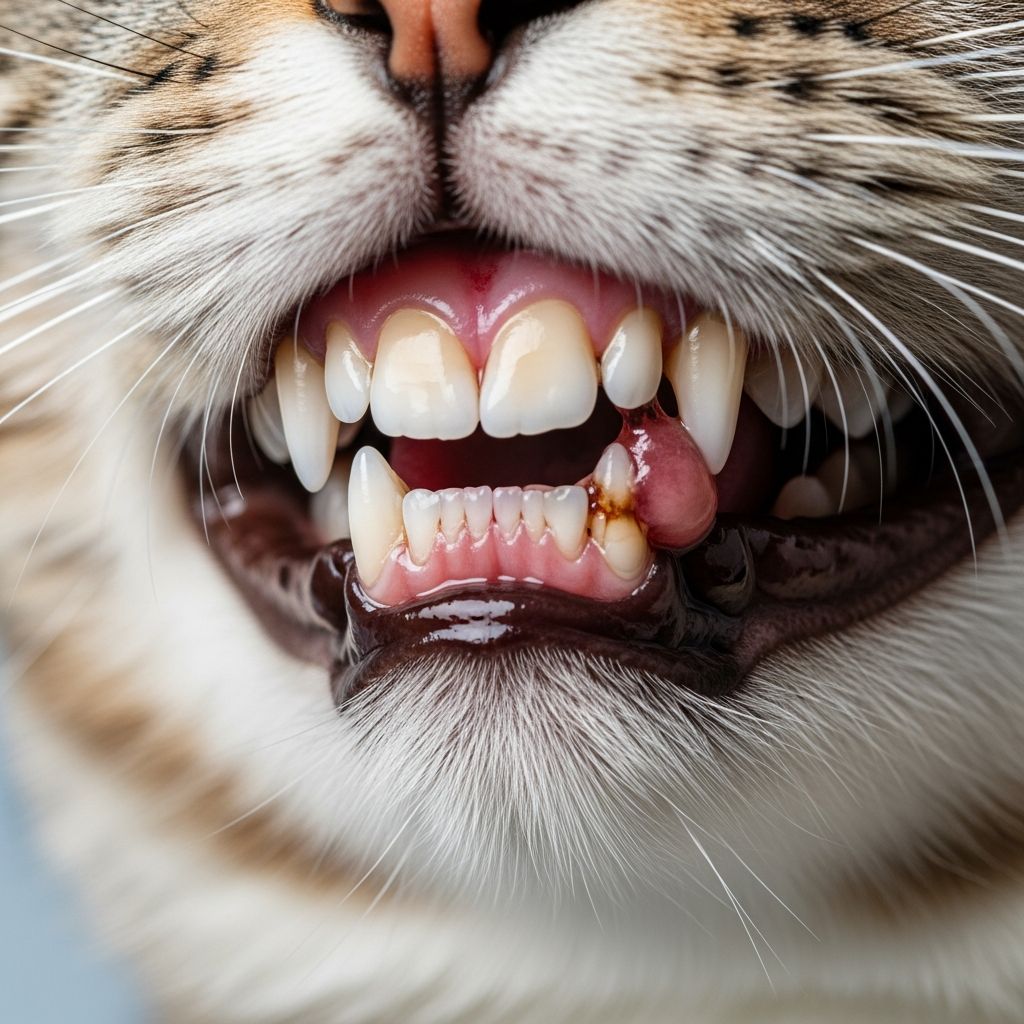
Cat tooth root abscesses represent a serious dental issue where bacterial infections form painful pus pockets at the tooth root, often stemming from fractures or untreated gum problems. These conditions demand swift veterinary intervention to alleviate suffering and prevent complications.
Understanding the Anatomy of Feline Teeth
Feline teeth feature a hard enamel outer layer protecting softer dentin beneath, which connects to the central pulp cavity housing nerves, blood vessels, and supportive tissues. When enamel cracks or breaks, bacteria invade this vulnerable pulp, sparking inflammation known as pulpitis. Over time, this leads to pulp death and infection spreading to the root apex, eroding surrounding bone and forming an abscess.
The upper fourth premolar, or carnassial tooth, and large canines bear the brunt of such damage due to their size and usage in chewing. These teeth’s roots sit close to facial structures, explaining why abscesses often manifest externally.
Primary Causes Behind Tooth Root Abscesses
Fractured teeth top the list of culprits, typically from trauma like fights, falls, or gnawing hard objects. A slab fracture—shearing off a tooth flake—exposes the pulp directly to oral bacteria, accelerating infection.
- Tooth fractures: Common in canines and premolars from impacts or chewing.
- Periodontal disease: Advanced gum infections erode support structures, allowing bacterial migration to roots.
- Feline odontoclastic resorptive lesions (FORLs): Painful erosions weakening teeth, predisposing to breaks and infections.
- Rare systemic issues: Bloodborne infections occasionally target tooth roots.
Pre-existing dental plaque buildup heightens risks, as bacteria thrive in unclean mouths.
Recognizing Early Warning Signs
Cats mask pain adeptly, complicating detection. Watch for subtle shifts in behavior and appearance signaling trouble.
| Symptom | Description | Common Location |
|---|---|---|
| Facial swelling | Puffy cheeks or under-eye area, sometimes draining pus | Below eye (upper premolar) or chin (lower teeth) |
| Halitosis | Foul breath from infection | General |
| Eating difficulties | Dropping food, favoring one side, or appetite loss | Affected jaw |
| Excessive drooling | Possibly bloody saliva | Mouth area |
| Behavioral changes | Pawing face, irritability, reduced grooming, hiding | Overall |
Swelling under the eye often mimics unrelated issues like injuries, delaying diagnosis without oral checks.
Diagnostic Process at the Vet
Veterinarians start with a physical exam, probing for oral abnormalities. Dental X-rays prove essential, revealing root infections invisible externally—lysed bone, pus pockets, or pulp issues.
- Oral examination: Under sedation for thorough inspection of gums and teeth.
- Radiography: Confirms root involvement, abscess extent.
- Biopsy if needed: Rules out tumors or other pathologies.
Early imaging prevents misdiagnosis, as superficial wounds might overlay deeper dental crises.
Treatment Options for Effective Relief
Treatment hinges on extraction in most cases, as infected roots rarely salvage. Root canals suit select healthy-tooth scenarios but demand expertise.
- Antibiotics: Combat infection pre- and post-procedure.
- Pain management: Anti-inflammatories ease discomfort.
- Tooth extraction: Full removal under anesthesia, including curettage of abscess site.
- Supportive care: Soft food, cleaning during recovery.
Post-op, monitor for drainage or fever. Full recovery spans weeks, with check-ups ensuring healing.
Complications from Delayed Intervention
Untreated abscesses erode jawbone, spread to sinuses or brain, or cause sepsis. Chronic pain impacts eating, nutrition, and quality of life. Facial deformities arise from bone loss.
Ruptured abscesses offer temporary relief but perpetuate infection cycles without root resolution.
Preventive Measures for Lifelong Dental Wellness
Proactive care slashes abscess risks.
- Daily brushing: Use cat-safe toothpaste on teeth and gums.
- Dental diets and treats: Reduce plaque via abrasion.
- Regular vet check-ups: Annual cleanings catch issues early.
- Avoid hazards: No hard toys or bones.
- Monitor health: Note any oral changes promptly.
Senior cats benefit most, as age heightens disease susceptibility.
FAQs on Cat Tooth Root Abscesses
Can cat tooth abscesses heal without treatment?
No, antibiotics alone fail against walled-off root infections; extraction is key.
How much does treatment cost?
Varies by clinic; expect fees for exam, X-rays, anesthesia, extraction—often $500+.
Is extraction safe for cats?
Yes, routine under anesthesia; most cats adapt seamlessly.
Why upper premolars commonly affected?
Proximity to eye and shearing forces during eating.
How to soothe a cat with abscess pain at home?
Soft food only; never lance swelling—seek vet care.
Long-Term Oral Health Strategies
Beyond basics, water additives with enzymes combat bacteria. Professional cleanings every 6-12 months suit at-risk cats. Genetic predispositions like FORLs warrant vigilant monitoring.
Holistic approaches, like omega-3 supplements, support gum health alongside mechanical cleaning.
References
- Cat Abscesses: Causes, Symptoms & How To Treat Them — UrgentVet. 2023. https://urgentvet.com/cat-abscess-causes-types-symptoms-treatment/
- Dental Abscesses in Cats – Causes, Treatment — Vetster. 2024. https://vetster.com/en/conditions/cat/dental-abscesses
- Tooth Root Abscess in Cats — VCA Animal Hospitals. 2023-01-15. https://vcahospitals.com/know-your-pet/tooth-root-abscess-in-cats
- How to Prevent and Treat a Cat Tooth Abscess — PetCareRx. 2022. https://www.petcarerx.com/article/how-to-prevent-and-treat-a-cat-tooth-abscess/1641
- Cat Tooth Abscess Treatment Guide & Warning Signs — Petfolk. 2024. https://petfolk.com/petfolklore/cat-tooth-abscess
- Cat Tooth Abscess — PetMD. 2023. https://www.petmd.com/cat/conditions/mouth/c_ct_tooth_root_abscess
- Cat Tooth Abscess: Everything You Need to Know — Countryside Vets. 2023. https://countrysidevets.com/blog/cat-tooth-abscess/
Similar Articles








Read full bio of medha deb




