
Cat Tooth Decay: What To Know About Resorption, Signs, And Care
Discover why true cavities are rare in cats and learn to spot the common tooth resorption issues causing dental pain in felines.
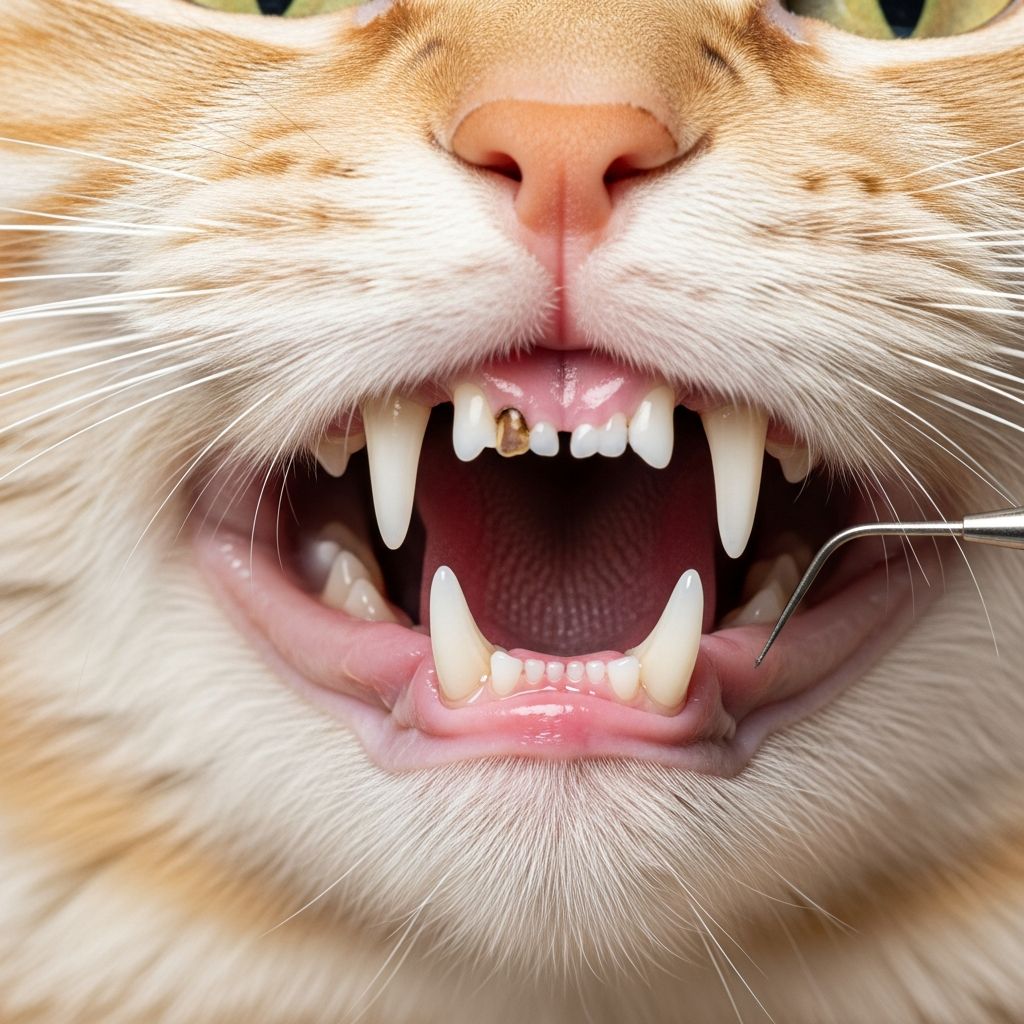
Feline dental issues often alarm owners who notice what looks like a cavity in their cat’s tooth. Unlike humans, cats rarely develop true cavities from bacterial decay. Instead, a condition called tooth resorption mimics cavity-like holes and affects up to 70% of cats over age five, causing significant pain if untreated.
Understanding Feline Dental Anatomy Basics
Cats possess 30 teeth designed for tearing meat, differing from human grinding molars. Enamel protects the crown, dentin lies beneath, and pulp houses nerves and blood vessels. Gums anchor teeth securely. Disruptions in this system lead to resorption, where the body breaks down tooth structure from within.
This process starts subtly at the gumline, eroding enamel and exposing sensitive dentin. Over time, roots may dissolve completely, leaving no trace. Owners mistake these lesions for external decay, but biology drives resorption internally, not plaque bacteria as in human caries.
True Cavities vs. Tooth Resorption in Cats
| Aspect | True Cavities (Rare) | Tooth Resorption (Common) |
|---|---|---|
| Cause | Bacterial acid erosion from outside | Immune-mediated internal breakdown |
| Appearance | Brown/black holes on crown | Pink/gray spots at gumline, hole-like defects |
| Prevalence | Extremely uncommon in cats | Affects 2-3 in every 5 adult cats |
| Progression | Surface to pulp | Enamel dissolves, root may vanish |
This table highlights key differences. Resorption lesions begin as pink defects where tooth meets gum, progressing to enamel loss and pulp exposure. Cavities form externally from diet sugars and bacteria, but cats’ low-carb intake and saliva properties make them rare.
Early Warning Signs of Dental Distress
Cats mask pain expertly, but subtle clues emerge. Monitor for these indicators of resorption or related issues like gingivitis:
- Excessive drooling, sometimes blood-tinged
- Bad breath (halitosis) beyond mild odor
- Reluctance to eat or dropping food
- Preferring soft/wet food over dry kibble
- Head tilting or favoring one mouth side
Advanced signs include weight loss, pawing at mouth, teeth chattering, irritability, or hiding. Gums appear red, swollen, or bleeding; teeth may look discolored or loose.
Why Tooth Resorption Develops in Cats
Veterinarians classify resorption into types. Type 1 shows ankylosis, where tooth fuses to bone, triggering breakdown. Type 2 involves root replacement by bone, blurring lines on X-rays. Causes remain unclear, possibly linking to inflammation, diet, or genetics. No prevention exists; up to 4 million U.S. cats suffer annually.
Periodontal disease often coexists, with plaque buildup causing gingivitis that advances to periodontitis, loosening teeth and worsening resorption risk.
Spotting Lesions: What to Look For
Examine your cat’s mouth gently during play or brushing. Healthy teeth gleam white with pink gums. Resorption appears as:
- Small pink spots on enamel near gums
- Grayish enamel as pulp dies
- Cavity-like holes, especially mid-tooth
- Bumps under gums from root remnants
These evolve silently; early lesions evade notice without professional check. Use a flashlight for visibility, but avoid forcing the mouth open to prevent scratches.
Professional Diagnosis Methods
Vets perform full oral exams under anesthesia for safety and accuracy. Steps include:
- Visual inspection for defects
- Probing lesions, eliciting pain responses like jaw spasms
- Dental radiographs revealing root involvement invisible externally
- Charting gum health and tartar levels
X-rays confirm resorption type and extent, guiding treatment. Early detection prevents spread to adjacent teeth.
Treatment Approaches for Affected Teeth
No cure halts resorption; extraction is standard for painful teeth. Vets use:
- Simple removal for crown-only lesions
- Surgical extraction for rooted teeth, often with crown amputation
- Post-op pain meds and antibiotics
Healing occurs rapidly; cats resume eating within days. Full cleanings address concurrent plaque.
Home Care Strategies for Oral Health
While resorption defies prevention, reduce gingivitis risk:
- Daily tooth brushing with pet-safe enzymatic paste
- Dental diets or treats reducing tartar
- Water additives controlling bacteria
- Annual vet dental checks starting age 2
Avoid human products; fluoride harms cats. Regular grooming sessions build tolerance.
FAQs on Feline Tooth Issues
Do cats get cavities like humans?
No, true cavities are extremely rare due to diet and physiology. Hole-like defects signal resorption.
How painful is tooth resorption?
Very painful; exposed pulp reacts to touch, food, causing flinching and behavior shifts.
Can I treat cat dental problems at home?
Supportive care aids, but extractions require veterinary anesthesia and tools.
At what age does resorption start?
Common over 5 years; check seniors biannually.
Does diet influence feline dental disease?
Dry foods help scrape plaque; balanced nutrition supports immunity.
Long-Term Monitoring After Treatment
Post-extraction, track eating, grooming, weight. Schedule checkups every 6 months. Multi-tooth involvement common, so proactive care sustains health.
References
- The warning signs of tooth resorption and cavities in cats — Vetster. 2023. https://vetster.com/en/wellness/the-warning-signs-of-tooth-resorption-and-cavities-in-cats
- Feline Dental Disease — Cornell University College of Veterinary Medicine. 2024-02-27. https://www.vet.cornell.edu/departments-centers-and-institutes/cornell-feline-health-center/health-information/feline-health-topics/feline-dental-disease
- Tooth Resorption in Cats: Signs, Causes & Treatment — Broadway 4 Pets Veterinary Hospital. 2022-08-15. https://www.broadway4pets.com/site/blog/2022/08/15/tooth-resorption-cats-signs-causes-treatment
- Understanding Feline Tooth Resorption: Causes, Symptoms, and Treatment — Wellness Animal Hospital. 2023. https://wellnessanimalhospital.com/understanding-feline-tooth-resorption-causes-symptoms-and-treatment/
- Dental Issues in Cats — PetMD. 2024. https://www.petmd.com/cat/conditions/mouth/dental-issues-cats
- Cat Dental Care — Aspen Grove Veterinary Care. 2024. https://aspengrovevet.com/services/cat-dental-care
Similar Articles








Read full bio of medha deb




