

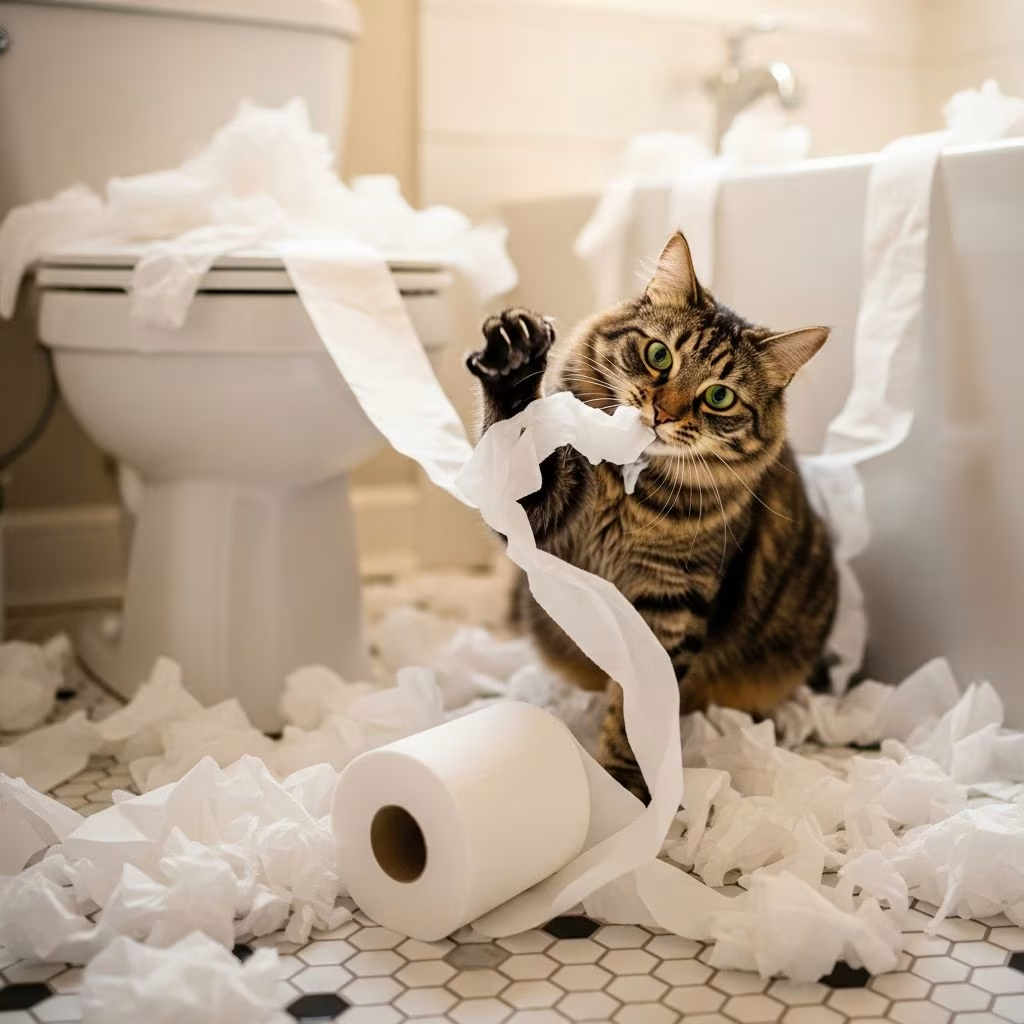
Cats have a knack for turning everyday household items into entertainment hubs, and toilet paper rolls top the list of their favorite targets. This mischievous behavior stems from their innate curiosity and predatory instincts, transforming a simple roll into an irresistible plaything. Understanding the motivations behind this habit allows pet owners to address it effectively, preserving bathroom tidiness while respecting feline nature.
The Instinctive Drive Behind the Unraveling
Felines are wired as hunters, with sharp claws and agile bodies designed for pouncing on moving prey. A dangling toilet paper strip mimics the sway of a tail or rustling leaves in the wild, triggering their chase response. When the paper unrolls with a soft whisper and yields under scratches, it delivers instant gratification, reinforcing the action as a rewarding game.
Boredom amplifies this tendency, especially in indoor cats lacking stimulation. Without outlets for their energy, they improvise with accessible items like tissue rolls. Nutritional gaps or stress can also contribute, prompting cats to seek comfort through repetitive motions that soothe anxiety.
- Hunting simulation: The paper’s movement imitates fleeing prey.
- Sensory appeal: Soft texture and quiet crinkle engage multiple senses.
- Environmental factors: Idle time in quiet spaces like bathrooms invites mischief.
Recognizing Patterns in Feline Mischief
Observe when and where the unrolling occurs to pinpoint triggers. Does it happen during your absence, suggesting solitude boredom? Or post-meal, indicating post-digestive playfulness? Kittens and young adults under two years exhibit this most frequently, as their boundless energy seeks constant outlets. Senior cats might engage less due to reduced mobility, but cognitive changes could spark renewed interest.
Health-related cues warrant attention: excessive shredding alongside litter box avoidance might signal urinary issues, common in cats. A vet check rules out medical causes before behavioral tweaks.
| Age Group | Common Triggers | Intensity Level |
|---|---|---|
| Kittens (under 1 year) | Exploration, teething | High |
| Adults (1-7 years) | Boredom, routine gaps | Medium-High |
| Seniors (8+ years) | Cognitive decline, stress | Low-Medium |
Practical Prevention Tactics for Busy Households
Start with low-effort changes to deter access. Closing bathroom doors eliminates temptation entirely, a foolproof method for multi-pet homes. For open-access bathrooms, reorient the roll to unspool from the underside, reducing easy grabs. Compressing the cardboard core slightly hampers smooth spinning, diminishing the thrill without impeding human use.
Commercial aids offer targeted solutions. Roll covers with locking mechanisms, priced affordably under $10, secure paper while allowing quick access via simple twists. Opt for durable plastic models resistant to clawing, ensuring longevity.
- Door barriers: Baby gates or hooks for temporary closures.
- Roll orientation: Underhand dispensing confuses paw swipes.
- Core tweaks: Gentle squeezes slow momentum.
- Guard devices: Snap-on holders block unauthorized pulls.
Enriching Your Cat’s World to Curb Destructive Play
Redirecting energy through dedicated toys outshines mere blocking. Interactive wands with feathers replicate hunting pursuits, engaging cats for 15-20 minute sessions daily. Laser pointers captivate with elusive dots, but end play by ‘catching’ the light to avoid frustration.
DIY options abound: Crumpled paper balls, cardboard scratchers, or window perches watching outdoor birds provide endless diversion. Rotate toys weekly to maintain novelty, preventing habituation. Puzzle feeders dispense treats via problem-solving, merging meals with mental workouts.
Vertical spaces like cat trees fulfill climbing urges, while tunnels and boxes simulate burrows. Aim for 30 minutes of daily play, split into morning and evening routines, mimicking natural crepuscular activity peaks.
Training Techniques for Long-Term Harmony
Positive reinforcement reshapes habits effectively. When spotting unrolling intent, interrupt with a toy toss and reward engagement. Never punish, as fear breeds hiding and worsened behaviors. Consistency across household members ensures uniform responses.
Clicker training accelerates learning: Pair a click sound with treats for desired actions like using a scratcher near the bathroom. Gradually phase to verbal cues, building a ‘leave it’ command tailored to rolls.
- Identify trigger moments.
- Interrupt gently with alternatives.
- Reward compliance immediately.
- Practice daily for 5-minute bursts.
Health and Wellness Ties to Paper Play
Beyond fun, unrolling signals deeper needs. Stress from changes like new pets or moves prompts comfort-seeking destruction. Diet imbalances, particularly fiber shortages, drive tissue cravings as makeshift roughage. Annual vet exams monitor for allergies or parasites exacerbating restlessness.
Hydration stations encourage water intake, reducing urinary stress linked to bathroom loitering. Wet food boosts moisture, curbing dry litter affinities that spill into paper antics.
Real-Life Stories from Cat Owners
Many guardians share triumphs. One owner swapped rolls for a dedicated yarn station, halving incidents overnight. Another’s multi-cat home thrived post-catios installation, outdoor enclosures channeling zoomies productively. Persistent cases often trace to insufficient play, resolved via scheduled sessions.
“My tabby turned the bathroom into a paper blizzard until laser play became routine. Now, rolls stay pristine!” – Anonymous owner.
FAQs: Common Queries on Cat Paper Pranks
Is unrolling toilet paper a sign of stress in cats?
Possibly; paired with hiding or appetite loss, it merits observation. Isolate via journaling incidents against life changes.
Will my cat outgrow this habit?
Often yes, by age 3-4 as energy stabilizes, but enrichment hastens maturity.
Are there safe sprays to deter cats from paper?
Citrus or herbal repellents work mildly; test for aversion without toxicity.
How much playtime prevents such behaviors?
20-30 minutes twice daily suffices for most indoor cats.
Can declawing stop toilet paper attacks?
No; it removes claws but not instincts, often worsening frustration. Enrichment trumps surgery.
Building a Mischief-Proof Home Environment
Holistic approaches blend prevention, enrichment, and training for lasting results. Designate ‘cat zones’ with dedicated amenities, minimizing human item access. Track progress weekly, adjusting tactics as needed. Patience yields a balanced home where cats thrive sans chaos.
Ultimately, embracing feline quirks while guiding them constructively strengthens bonds. Your cat’s paper passion reflects vitality—channel it wisely for mutual joy.
References
- Why does my cat unroll the toilet paper? — Dogwood Pet Hospital. 2023-05-12. https://www.dogwoodpet.vet/blog/554538-why-does-my-cat-unroll-the-toilet-paper
- Cat Behavior: Stop Unrolling The Toilet Paper! — Fully Feline. 2022-11-08. https://fullyfeline.com/cat-behavior-unrolling-toilet-paper/
- Understanding Feline Play Behavior — American Veterinary Medical Association (AVMA). 2024-03-15. https://www.avma.org/resources-tools/pet-owners/petcare/understanding-feline-play-behavior
- Environmental Enrichment for Cats — Association of Feline Practitioners (AFP). 2025-01-20. https://catvets.com/resources/environmental-enrichment-cats
- Behavioral Management of Destructive Scratching — Journal of Feline Medicine and Surgery (peer-reviewed). 2023-07-01. https://doi.org/10.1177/1098612X231177058



