

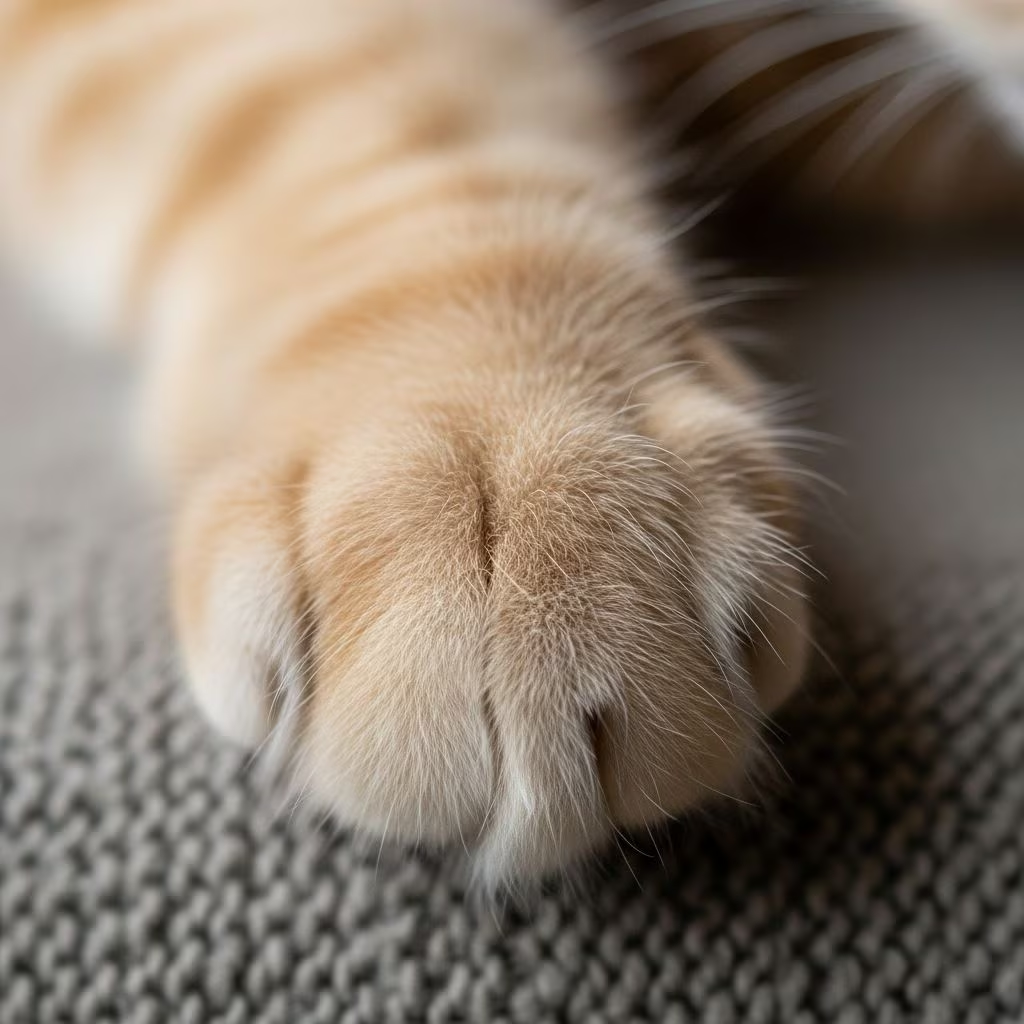
Cat toe tufts, those charming wisps of fur nestled between a cat’s toes, add to their adorable appeal but serve practical purposes too. These fluffy tufts enhance balance, protect paws, and aid in stealthy movement, making them a key feature in feline anatomy.
What Are Cat Toe Tufts?
Cat toe tufts are the soft, elongated hairs growing between the toes on a cat’s paws. Unlike regular fur, these tufts are denser and longer, protruding noticeably from the paw pads. They function like natural snowshoes, distributing weight on slippery surfaces and trapping debris to shield sensitive pads. Toe tufts also help cats maintain traction, especially on snow or slick floors, and provide insulation against cold ground.
These tufts are more prominent in certain breeds due to genetics. Long-haired cats naturally develop fuller tufts, while they remain subtle in short-haired varieties. Regular inspection ensures they stay healthy, as matting or debris buildup can lead to discomfort.
Breeds with the Fluffiest Toe Tufts
Not all cats showcase toe tufts equally; some breeds are renowned for their plush, eye-catching versions. Here’s a list of standout breeds:
- Maine Coon: Famous for enormous tufts that resemble fluffy boots, aiding their prowess in snowy terrains.
- Norwegian Forest Cat: Thick tufts evolved for harsh winters, providing insulation and grip.
- Siberian: Luxurious, water-repellent tufts perfect for their rugged origins.
- Persian: Long, silky tufts that require grooming to prevent matting.
- Ragdoll: Plush tufts complementing their semi-long coat.
- Turkish Angora: Elegant, flowing tufts adding to their graceful appearance.
Even mixed-breed cats can inherit prominent tufts, varying by genetics. These breeds often need extra paw care to manage longer fur.
What Are Toe Tufts For?
Far from mere decoration, cat toe tufts have evolutionary roles:
- Balance and Traction: Act as grips on ice, snow, or smooth floors, preventing slips.
- Protection: Trap dirt, litter, or thorns, safeguarding paw pads from injury.
- Stealth: Muffle footsteps, essential for silent hunting.
- Thermoregulation: Insulate paws from extreme temperatures.
- Sensory Aid: Enhance tactile feedback alongside paw pads’ nerve endings.
In wild ancestors, tufts helped navigate diverse terrains. Domestic cats retain these benefits, particularly outdoor explorers.
Should Toe Tufts Get Trimmed?
Trimming cat toe tufts isn’t always necessary and depends on individual needs. In most cases, leave them intact for their protective benefits. Trim only if problems arise, such as:
- Debris Collection: Tufts attract litter, dust, or hair, leading to tracking.
- Irritation: Excessive licking or chewing indicates discomfort from overgrown fur.
- Slipping: Long tufts cause slides on hard floors, posing fall risks.
- Matting: Clumps cause pain and infection risks if untreated.
Consult a vet before trimming, especially if irritation persists. Over-trimming removes natural protection.
Tips for Keeping Your Cat Safe
Beyond trimming, safeguard cats with toe tufts through environmental tweaks:
- Anti-Slip Measures: Use rugs, carpets, or paw-friendly mats on slick floors.
- Grippy Furniture: Place stable stools near cat trees or shelves to prevent leaps on slippery paws.
- Regular Checks: Inspect paws daily for debris, ticks, or injuries, especially post-outdoor time.
- Paw Protection: Booties for extreme weather or rough surfaces.
For multi-cat homes or active felines, these prevent accidents and maintain mobility.
Signs of Trouble: When to Worry About Toe Tufts
Monitor toe tufts for issues signaling broader paw problems:
- Limping or Favoring Paws: Indicates embedded objects, cuts, or infections.
- Excessive Licking/Chewing: Suggests irritation, allergies, or matting.
- Swelling or Redness: Possible infections, burns, or pillow foot (plasma cell pododermatitis).
- Mats or Debris: Can lead to sores if ignored.
- Unusual Growths: Rare cancers like digital sarcoma in older cats.
Early vet visits prevent escalation; cats hide pain well.
How to Trim Your Cat’s Toe Tufts
If trimming is needed, follow these safe steps:
- Prepare Tools: Use blunt-tipped scissors or cat clippers; have treats ready.
- Gently Restrain: Acclimate cat to paw handling with play.
- Expose Tufts: Press toe pads to reveal fur; trim only protruding hairs to pad level.
- Go Slow: Snip small amounts, avoiding skin or quick.
- Reward and Monitor: Praise post-trim; check for issues.
Trim every 4-6 weeks if prone to problems. Pros handle nervous cats.
General Cat Paw Care Tips
Maintain healthy paws holistically:
- Claw Trims: Every 2-4 weeks; press toes to extend nails, cut tips only.
- Paw Cleansing: Wipe with damp cloth or glove-shampoo method for dirt.
- Moisturize Pads: Vet-approved balms for cracks, avoiding toxic human products.
- Flea/Tick Prevention: Check between toes year-round.
- Avoid Declawing: Opt for alternatives like nail caps.
| Paw Issue | Signs | Action |
|---|---|---|
| Cuts/Injuries | Bleeding, limping | Clean, vet if deep |
| Infection | Swelling, pus, odor | Vet antibiotics |
| Pillow Foot | Soft, purple pads | Vet meds/surgery |
| Cancer | Lumps, ulcers | Biopsy, treatment |
Frequently Asked Questions (FAQs)
What breeds have the best toe tufts?
Maine Coons, Norwegian Forest Cats, and Siberians boast the fluffiest toe tufts, ideal for cold climates.
Do I need to trim my cat’s toe tufts?
Usually no, but yes if causing slipping, matting, or irritation. Consult your vet.
How do I safely trim toe tufts?
Use blunt scissors, trim to pad level gently, and reward your cat.
Why is my cat limping?
Check for debris, cuts, or infections in paws/toe tufts; see vet if persists.
Can toe tufts cause health issues?
Matting can lead to infections; regular grooming prevents this.
Are toe tufts only for long-haired cats?
No, all cats have them, but more visible in long-haired breeds.
References
- Cat Paws: Anatomy, Care, and Protection Tips — Great Pet Care. 2023. https://www.greatpetcare.com/cat-health/cat-paws-anatomy-care-protection-tips/
- Toe Tufts and Kitties, Oh My! — The Cat’s Meow Rescue. 2022. https://www.thecatsmeowrescue.org/blog-feline-friends/toe-tufts-and-kitties-oh-my
- Cat Paw Care Tips: Nails, Pads, and More — WebMD. 2024-01-15. https://www.webmd.com/pets/cats/cat-paws
- Cat Toe Tufts: A Comprehensive Guide — Catster. 2023-05-20. https://www.catster.com/cat-health-care/cat-toe-tufts/
- How to Care for Your Cat’s Paw Pads — Hill’s Pet Nutrition. 2023. https://www.hillspet.com/cat-care/routine-care/how-to-care-for-cat-paw-pads
- What Are Cat Toe Beans? 8 Facts About Your Cat’s Feet — Rover.com. 2022. https://www.rover.com/blog/cat-toe-beans/



