

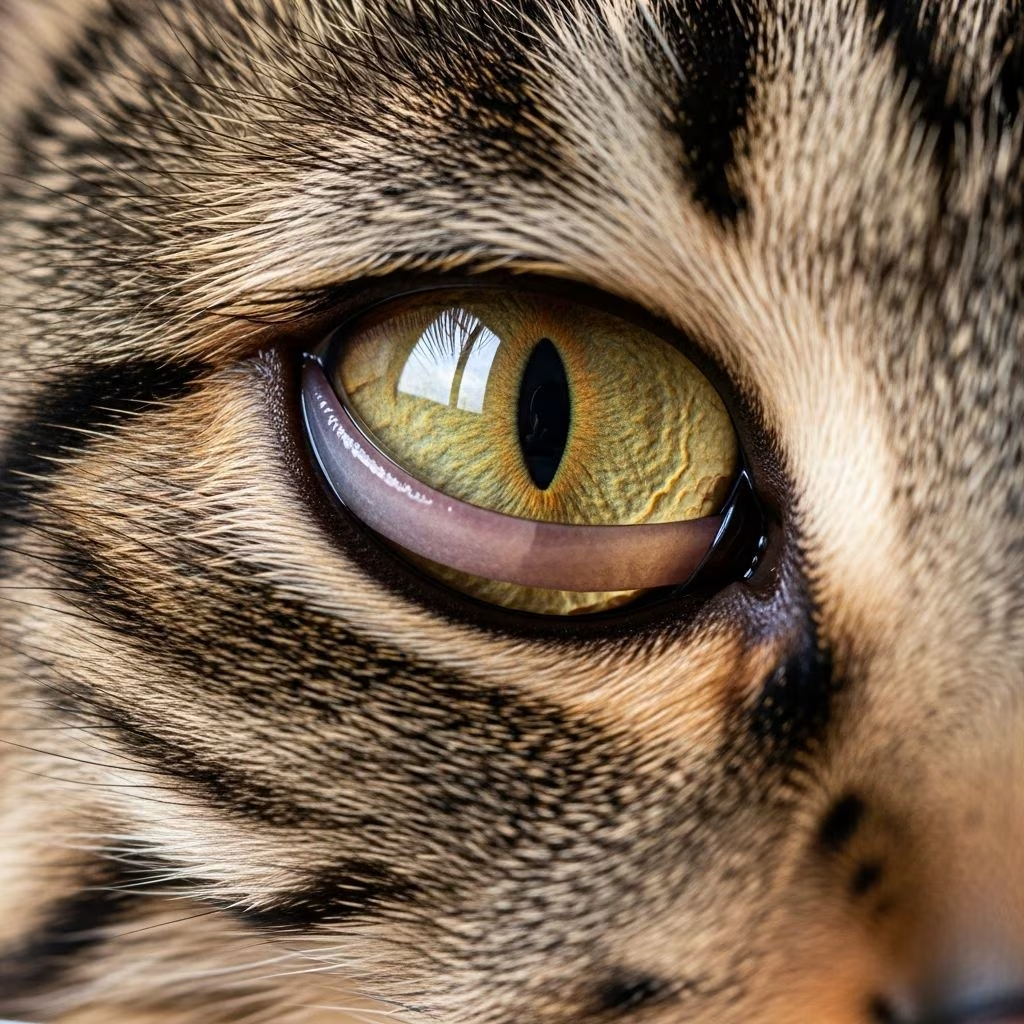
The third eyelid in cats, also known as the nictitating membrane, is a translucent structure located in the inner corner of each eye. Unlike humans, cats possess this additional protective layer that plays a crucial role in eye health. When visible, it can indicate normal behavior or signal underlying health issues, prompting many cat owners to wonder, “Why is my cat’s third eyelid showing?” This comprehensive guide covers everything from its normal function to potential causes of protrusion and essential veterinary advice.
What Is the Third Eyelid in Cats?
The third eyelid is a thin, pinkish membrane that sweeps across the eye from the inner corner. It remains mostly hidden during normal activity but can partially or fully cover the eye under certain conditions. This structure is present in many animals, including birds, reptiles, and some mammals, but in cats, it serves specific protective functions.
Key components include:
- Tear gland portion: Produces a significant amount of the tear film essential for lubrication and flushing out debris.
- Antiseptic properties: Contains immunoglobulins that provide natural protection against infections.
- Passive movement: Unlike the upper and lower eyelids, it moves passively with eye muscle action, offering extra shielding without conscious control.
Understanding this anatomy helps explain why its visibility isn’t always a cause for alarm but warrants observation.
Normal Functions of the Cat’s Third Eyelid
In healthy cats, the third eyelid performs vital tasks silently. It acts as an additional barrier against environmental hazards during hunting, grooming, or sleep. Here’s how it contributes to ocular health:
- Protection during activity: Shields the cornea from scratches, dust, or foreign bodies while allowing clear vision.
- Lubrication: Spreads tears evenly, preventing dryness and maintaining the eye’s moist environment.
- Debris removal: Wipes across the eye surface to clear irritants, much like a windshield wiper.
- Immune defense: Secretes substances with antibacterial qualities to combat pathogens.
During sleep or deep relaxation, it may briefly protrude, which is completely normal and resolves upon waking. Certain breeds like Siamese and Burmese may show it more frequently due to genetic traits, without indicating illness.
Why Is My Cat’s Third Eyelid Showing? Common Causes
When the third eyelid protrudes persistently, especially covering a significant portion of the eye, it often signals an issue. Causes range from benign to serious, categorized by eye-specific or systemic problems.
Eye-Related Causes
- Conjunctivitis or infections: Inflammation from bacteria, viruses, or allergies causes swelling, leading to protrusion. Symptoms include discharge, redness, and squinting.
- Corneal injuries or wounds: Scratches from fights, claws, or debris trigger protective extension. Outdoor cats are at higher risk.
- Foreign bodies: Dirt or irritants prompt the membrane to wipe and cover the eye for protection.
Systemic or Non-Eye Causes
- Haw’s Syndrome: Bilateral protrusion linked to gastrointestinal issues like diarrhea, parasites (e.g., tapeworms), or infections. It’s the most common cause for both eyes affected, often self-resolving.
- Dehydration or emaciation: In thin, elderly, or ill cats, loss of orbital fat allows the eyelid to sink forward.
- Fever or hyperthermia: Elevated body temperature causes general weakness, making it visible.
- Nerve damage (Horner’s Syndrome): Facial or neck nerve issues lead to unilateral protrusion, with signs like pupil constriction or drooping eyelid.
- Respiratory infections: Viruses like feline herpes cause outbreaks under stress, protruding the membrane.
- Sedation or anesthesia: Temporary effect post-procedure.
Rarely, tumors, cysts, or cancers may be involved, particularly in older cats, emphasizing the need for professional evaluation.
Haw’s Syndrome in Cats: A Special Focus
Haw’s Syndrome is a benign condition where both third eyelids protrude without primary eye disease. It’s strongly associated with gut problems, though the exact nerve mechanism remains unclear.
| Symptom | Description |
|---|---|
| Bilateral protrusion | Both eyes affected equally, no discharge or pain. |
| GI link | Often follows diarrhea from parasites, viruses, or diet issues. |
| Duration | Self-limits in 6-8 weeks with underlying treatment. |
Vets diagnose via exam; phenylephrine drops confirm by retracting the membrane temporarily.
Symptoms to Watch For
Monitor accompanying signs to gauge severity:
- Persistent visibility >24 hours.
- Unilateral vs. bilateral protrusion.
- Eye discharge, redness, cloudiness, or squinting.
- Behavioral changes: lethargy, appetite loss, vomiting, diarrhea.
- Neurological signs: unequal pupils, head tilt.
Normal transient shows resolve quickly; prolonged cases need attention.
When to Take Your Cat to the Vet
Consult a vet immediately if:
- Protrusion lasts >48 hours or worsens.
- Both eyes affected without clear GI cause.
- Other symptoms like fever, weight loss, or breathing issues present.
- Your cat seems in pain or vision-impaired.
Early intervention prevents complications like chronic dry eye or untreated infections.
Diagnosis and Veterinary Tests
Vets perform:
- Full ophthalmic exam with fluorescein stain for ulcers.
- Phenylephrine challenge for Haw’s.
- Bloodwork, fecal analysis for parasites/infections.
- Imaging if neurological issues suspected.
Rule out serious conditions like tumors via tonometry or ultrasound if needed.
Treatment Options for Third Eyelid Protrusion
Treatment targets the root cause:
- Haw’s Syndrome: Supportive—bland diet, deworming, fluids. Resolves naturally.
- Infections: Antibiotic/antiviral drops or ointments.
- Dehydration: Subcutaneous fluids, nutritional support.
- Horner’s: Address underlying nerve issue (e.g., trauma).
- Vision-obscuring cases: Temporary phenylephrine drops.
Surgery is rare, reserved for prolapsed glands or unresponsive cases.
Home Care and Prevention Tips
Support recovery at home:
- Ensure fresh water, wet food for hydration.
- Reduce stress to prevent herpes flares.
- Keep litter clean; monitor with tracking litter boxes.
- Annual vet check-ups, parasite prevention.
- Avoid self-medicating eyes.
Breed-specific vigilance for Siamese/Burmese.
Frequently Asked Questions (FAQs)
Is it normal for a cat’s third eyelid to show occasionally?
Yes, briefly during sleep or relaxation, but persistent showing requires vet attention.
What is Haw’s syndrome in cats?
A self-resolving bilateral protrusion often tied to GI upset, resolving in weeks with treatment.
Can dehydration cause third eyelid protrusion?
Yes, especially in seniors or ill cats, as fat loss around eyes allows sinking.
Should I worry if only one eye is affected?
Possibly Horner’s syndrome or local injury—see vet promptly.
How long does it take for the third eyelid to go back to normal?
Varies: hours for minor issues, weeks for Haw’s after cause resolution.
Conclusion: Stay Vigilant for Your Cat’s Eye Health
While the third eyelid showing can be harmless, it often flags treatable issues. Prompt vet care ensures your cat’s bright eyes and vitality. Regular wellness checks and home monitoring keep problems at bay.
References
- A Cat’s Third Eyelid — Aristopet. Accessed 2026. https://aristopet.com.au/tips-and-advice/a-cat-s-third-eyelid/
- Haw’s Syndrome in Cats: Causes, Symptoms & Treatment — Cats.com. Accessed 2026. https://cats.com/haws-syndrome-in-cats
- Why Do Cats Have a Third Eyelid? — Litter-Robot. Accessed 2026. https://www.litter-robot.com/blog/why-do-cats-have-a-third-eyelid/
- My CAT’S THIRD EYELID Is SHOWING 👁️ Nictitating Membrane in Cats — AnimalWised (via YouTube). Accessed 2026. https://www.youtube.com/watch?v=JF5ipt0cFtM
- Seeing Red? Here’s What to Do When Your Pet’s Third Eyelid Pops Up — Veterinary Vision Center. Accessed 2026. https://veterinaryvisioncenter.com/seeing-red-heres-what-to-do-when-your-pets-third-eyelid-pops-up/



