

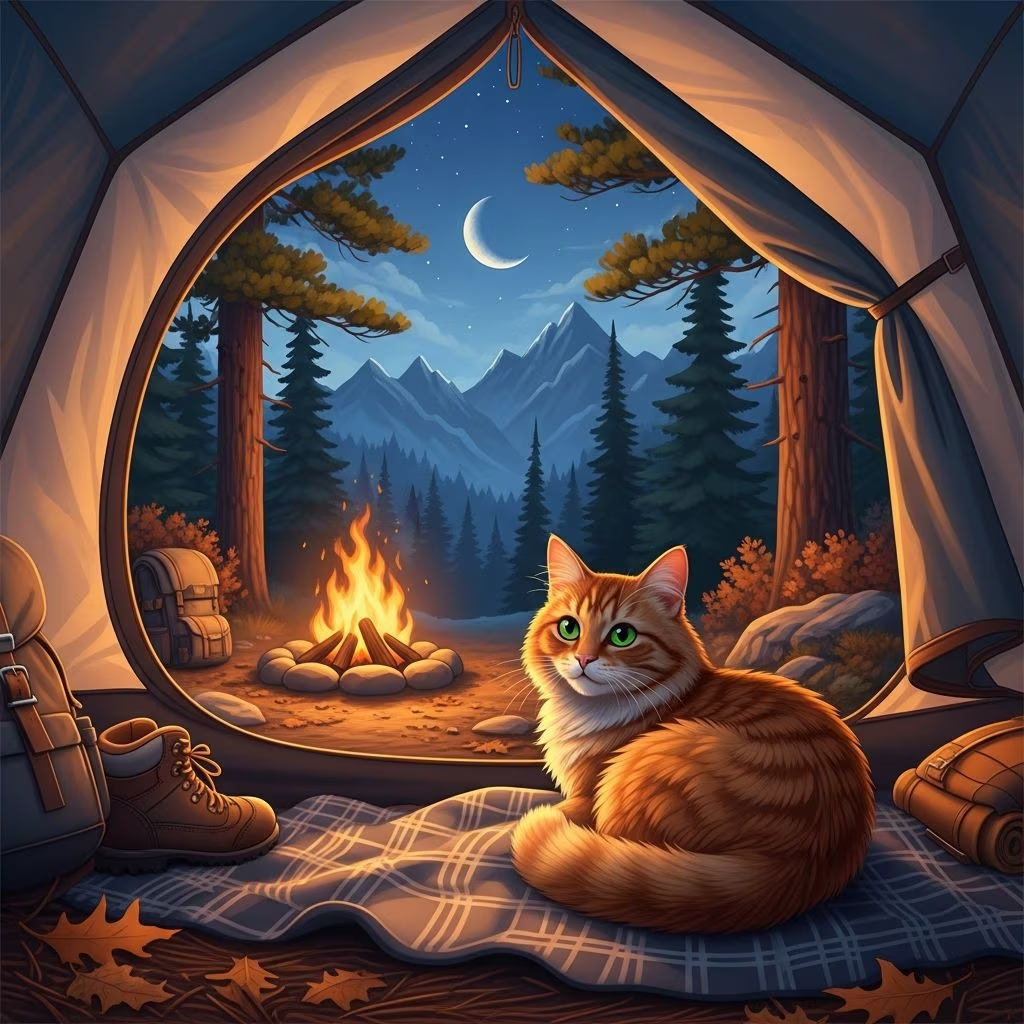
Cat Tenting: What To Know About Camping With Cats
Many pet owners assume that camping is exclusively for dogs, but cats can be wonderful camping companions too. The key to a successful camping experience with your feline friend lies in proper preparation, understanding your cat’s personality, and having the right gear. Whether you’re planning a weekend getaway in a tent, an RV adventure, or a cozy cabin retreat, camping with cats is entirely possible and can be an enriching experience for both you and your pet. However, it’s important to recognize that not all cats are suitable for camping adventures, and taking the time to prepare properly is essential for safety and comfort.
Is Your Cat Ready for Camping?
Before packing up your gear and hitting the trails, you need to honestly assess whether your cat has the right temperament for outdoor adventures. Camping with cats requires a certain level of adventurousness and comfort with new environments that not all cats possess.
The ideal camping cat is one who is comfortable wearing a harness and leash, has a calm disposition, and doesn’t get easily stressed by changes in their environment. Cats that are extremely anxious, prone to escaping, or have never been on a leash will likely struggle with camping and may experience unnecessary stress. Additionally, senior cats, kittens, or cats with health conditions may not be suitable candidates for camping trips.
Consider your cat’s personality honestly. Do they enjoy exploring? Are they curious about their surroundings? Can they handle being in an unfamiliar space without becoming overly anxious? If you answered yes to these questions, your cat may be a good candidate for camping. If not, it might be better to leave your feline friend in the capable hands of a trusted pet sitter.
Essential Camping Gear for Cats
Proper preparation and the right gear are critical for a safe and comfortable camping experience with your cat. Here are the essential items you should bring on every camping trip:
Harness and Leash
A well-fitting harness is non-negotiable for camping with cats. Unlike a collar, a harness distributes pressure evenly across your cat’s body and prevents them from slipping out if they get startled. Choose a harness that fits snugly but allows for comfortable movement. Practice having your cat wear the harness at home for extended periods before your trip, and always use a sturdy leash attached to the harness when your cat is outside the tent.
Travel Litter Box
Bringing a portable litter box is essential for your cat’s hygiene and your campsite’s cleanliness. Collapsible or pop-up litter boxes take up minimal space in your pack but provide your cat with a familiar place to do their business. Set up the litter box in a designated area away from your sleeping area and food preparation zone. Some experienced camping cat parents teach their cats to use the outdoors like dogs, which eliminates the need for a portable litter box, but this requires significant training beforehand.
Food and Water
Pack enough cat food for your entire trip, plus extra supplies. Bring collapsible or travel-friendly food and water bowls to minimize pack weight. Fresh, clean water is particularly important in outdoor environments where your cat may be more active than usual. Consider bringing some of your cat’s favorite treats to help them feel more comfortable at the campsite and to encourage them to stay within your designated camping area.
Identification and Safety Tags
Even the most careful pet owner can encounter unexpected situations. Ensure your cat wears a collar with up-to-date ID tags at all times. Include your phone number and, if applicable, your campground or park name and campsite number. A GPS collar or Bluetooth tracker can provide additional peace of mind, allowing you to locate your cat quickly if they wander away from camp.
First Aid Kit
Pack a pet-specific first aid kit containing items such as bandages, antiseptic wipes, tweezers for removing splinters, pain relief medication, and any medications your cat requires. Include contact information for emergency veterinary clinics in the areas where you’ll be camping. Being prepared for minor injuries or health issues can make the difference in an emergency situation.
Additional Helpful Gear
Beyond the essentials, consider bringing the following items to enhance your camping experience:
- Cat backpack – A comfortable carrier for transporting your cat on hikes or when they need a break from walking
- Playpen or portable enclosure – A secure space where your cat can safely explore while you set up camp
- Cable lead or picket line – A longer tether system that allows your cat to move around camp while remaining secure
- Portable bed or blanket – A familiar comfort item that smells like home
- Toys and enrichment items – Quiet toys for tent time and interactive toys for outdoor exploration
- Extra harness and leash – Backup gear in case your primary equipment breaks or gets lost
Different Camping Styles with Cats
There are several ways to camp with your feline companion, each offering different benefits and challenges. Understanding your options will help you choose the camping style that best suits your cat’s personality and your comfort level.
Tent Camping
Tent camping is the most rustic camping option and requires the most preparation when camping with cats. Choose a tent with mesh doors for ventilation and visibility, allowing your cat to safely observe their surroundings while staying contained. Look for tents with double zippers that you can secure together or tents that open from the top, preventing your cat from accidentally opening the doors. Surround your tent with a cat playpen or secure enclosure made of mesh to create a safe outdoor exploration space.
Set up your tent like home by including familiar items such as your cat’s bed, food and water dishes, and favorite toys. Keep the interior organized and consider setting up a small playpen inside the tent to contain your cat during the night if needed.
RV Camping
RV camping offers more comfort and space than tent camping, making it an excellent option for cats who need more room to move around. The enclosed environment provides security and protection from wildlife. RVs typically have climate control, allowing you to maintain a comfortable temperature for your cat. You can set up a litter box in a designated bathroom area and allow your cat more freedom to move throughout the vehicle while you’re at the campsite.
Cabin Camping
Cabin camping provides the most comfortable and familiar environment for cats, as cabins typically offer amenities similar to home. However, ensure the cabin is secure and that doors and windows close properly to prevent your cat from escaping. Check for any gaps or holes where your cat could squeeze through. Cabin camping is an excellent starting point for cats that have never camped before, as it provides a more controlled environment while still allowing your cat to experience the outdoors safely.
Preparing Your Cat for Camping
Proper preparation is the foundation of a successful camping trip with your cat. Start by introducing your cat to camping equipment and the camping environment in stages.
Test Run at Home
Begin by setting up your tent in your living room or backyard and allowing your cat to explore it at their own pace. Place treats, toys, or catnip inside to create a positive association with the tent. Feed your cat meals inside the tent to reinforce that it’s a safe, comfortable space. Spend time in the tent with your cat, and if possible, sleep in it overnight. This gradual introduction helps your cat become comfortable with the tent before you take it to a campground.
Harness and Leash Training
If your cat isn’t already comfortable wearing a harness, begin training weeks before your trip. Start by letting your cat wear the harness indoors for short periods, gradually increasing the duration. Once your cat is comfortable with the harness, attach a leash and practice walking together in your yard or on quiet streets. Use positive reinforcement with treats and praise to make leash training a positive experience.
Maintain Your Cat’s Schedule
One often overlooked aspect of camping preparation is maintaining your cat’s normal daily schedule. Cats thrive on routine, and sticking to their regular feeding times, playtime, and bedtime can significantly reduce stress during your camping trip. Try to replicate your at-home schedule as closely as possible at the campsite, even if it means adjusting your own sleep schedule slightly.
Setting Up Your Campsite
Once you arrive at your campsite, strategic setup is crucial for your cat’s safety and comfort.
Before Releasing Your Cat
Before you let your cat out of their carrier, complete your initial campsite setup. Set up your tent and any enclosures you’re bringing. If you’re using a playpen or portable tent, set it up first and place your cat there while you finish organizing the rest of your campsite. This prevents your cat from wandering off while you’re busy setting up.
Creating a Safe Outdoor Space
Set up a secure outdoor area where your cat can safely explore while under your supervision. This might be a portable playpen, a cable lead system strung between two trees, or a dedicated cat enclosure. Having a defined safe zone allows your cat to enjoy fresh air and outdoor stimulation without the risk of escaping or encountering predators.
Securing Your Tent
Inspect your tent for any gaps or holes that your cat could slip through. Ensure all zippers function properly and can be fully closed. Some cats enjoy playing with zipper pulls, so consider using bread bag ties or clips to lock zippers together at the top of the entrance, out of your cat’s reach. Keep tent doors closed whenever possible, and designate one person to be responsible for preventing your cat from darting out when entering or exiting.
Setting Up the Tent Interior
Make the tent feel like home by arranging it similarly to your bedroom setup. Place your cat’s bed near your sleeping area so they feel secure. Set up food and water dishes on a mat, similar to your home setup. Include a litter box in a corner away from the sleeping and eating areas. Add some of their favorite toys and a blanket or item that smells like home for comfort.
Safety Considerations at the Campsite
Camping with your cat comes with unique safety considerations that differ from camping with dogs or camping alone.
Never Leave Your Cat Unattended
Never tie your cat’s leash to a stationary object and leave them unsupervised. Unlike dogs, cats can easily slip out of collars and may panic if left alone, leading to escape attempts or injury. If you need to step away from camp to use facilities or shower, either bring your cat with you in a carrier or have a trusted companion watch them at the site.
Food Storage
Store your cat’s food and treats in bear canisters or hung with your camping supplies, just as you would with human food. This prevents attracting wildlife to your campsite and protects your cat from eating spoiled food or accessing foods that could be harmful.
Choose the Right Campsite
Select campsites away from high-traffic areas such as playgrounds and beaches. Look for more private sites with natural vegetation buffers between you and neighboring campers. Quiet, less crowded areas provide a calmer environment for your cat and reduce stress and potential safety issues.
Protecting Against Pests and Predators
Be aware of local wildlife, insects, and pests in your camping area. Use insect repellent on yourself and keep your cat protected from ticks, mosquitoes, and other parasites. Be cautious of larger predators in your area, and never allow your cat to wander unsupervised, even on a leash, in areas with known wildlife concerns.
Hiking and Exploring with Your Cat
If you want to venture beyond your campsite with your cat, proper preparation and gear are essential.
Consider investing in a cat backpack or carrier for hiking trips. These specialized carriers provide a safe, comfortable place for your cat when they need a break or when you encounter other hikers. Look for backpacks with ample ventilation to keep your cat cool and avoid bubble-style backpacks that can cause your cat to overheat.
Keep hikes short, especially if your cat isn’t accustomed to walking long distances. Pay attention to your cat’s body language and energy levels, and be prepared to return to camp if your cat seems tired or stressed. Always keep your cat on a leash while hiking, and stay alert for other hikers, dogs, and wildlife.
Checking Campground Policies
Before booking your camping trip, always verify that the campground allows cats and understand any specific rules or restrictions. Some campgrounds have pet policies that limit the number of pets, require cats to be leashed at all times, or prohibit cats altogether. Checking policies in advance prevents disappointment and ensures you’re camping legally and responsibly.
Frequently Asked Questions
Q: Can all cats go camping?
A: No, not all cats are suitable for camping. Cats need to be comfortable wearing a harness, have a calm temperament, and not be overly stressed by new environments. Senior cats, kittens, and cats with health conditions are generally not ideal candidates for camping trips.
Q: How do I train my cat to wear a harness?
A: Start by letting your cat wear the harness indoors for short periods, gradually increasing the duration. Once they’re comfortable, attach a leash and practice walking together. Use treats and positive reinforcement to make the experience enjoyable.
Q: What type of tent is best for camping with cats?
A: Choose a tent with mesh doors for ventilation and visibility, double zippers you can secure together or a tent that opens from the top. Look for tents with less mesh on the lower half to prevent your cat from clawing at the delicate material.
Q: How do I handle my cat’s litter box while camping?
A: Bring a collapsible or portable litter box and set it up in a designated area away from sleeping and eating spaces. Some experienced camping cat owners train their cats to use the outdoors, eliminating the need for a portable box, but this requires advance training.
Q: Is tent camping or RV camping better for cats?
A: RV camping is generally easier for cats as it provides more space, climate control, and familiar amenities. However, tent camping can work well with proper preparation. Cabin camping is often the best option for cats new to outdoor adventures.
Q: What should I do if my cat escapes from the tent?
A: Keep your cat on a leash at all times when outside. Ensure your tent zippers are fully secured and consider using clips or ties to prevent your cat from opening doors. Have a recent photo of your cat available and inform nearby campers if an escape occurs.
Q: How can I keep my cat cool while camping in warm weather?
A: Ensure your tent has adequate ventilation and shade. Bring a cooling mat for your cat’s bed and provide plenty of fresh water. Set up your camp in a shaded area if possible, and avoid camping in extreme heat if your cat isn’t acclimated to warm weather.
References
- Cat Tenting: What To Know About Camping With Cats — Chewy Education. 2024. https://www.chewy.com/education/cat/pet-parenting/cat-tenting-what-to-know-about-camping-with-cats
- The Ultimate Guide to Tent Camping with Cats — The Kas Pack. 2024. https://thekaspack.com/tips-and-tricks-for-tent-camping-with-cats/
- A Guide To Taking Your Cat On Outdoor Adventures — Atlantic Vets Seattle. 2024. https://atlanticvetseattle.com/guide-to-taking-your-cat-on-outdoor-adventures/
- All You Need To Know About Camping With A Cat — Tractive. 2024. https://tractive.com/blog/en/safety/camping-with-a-cat
- The Ultimate Guide to Camping with a Cat — KittyCatGO. 2024. https://kittycatgo.com/the-ultimate-guide-to-camping-with-a-cat/
- Camping with cats: The ultimate guide — Adventure Cats. 2024. https://www.adventurecats.org/backcountry-basics/camping-cats-ultimate-guide/



