

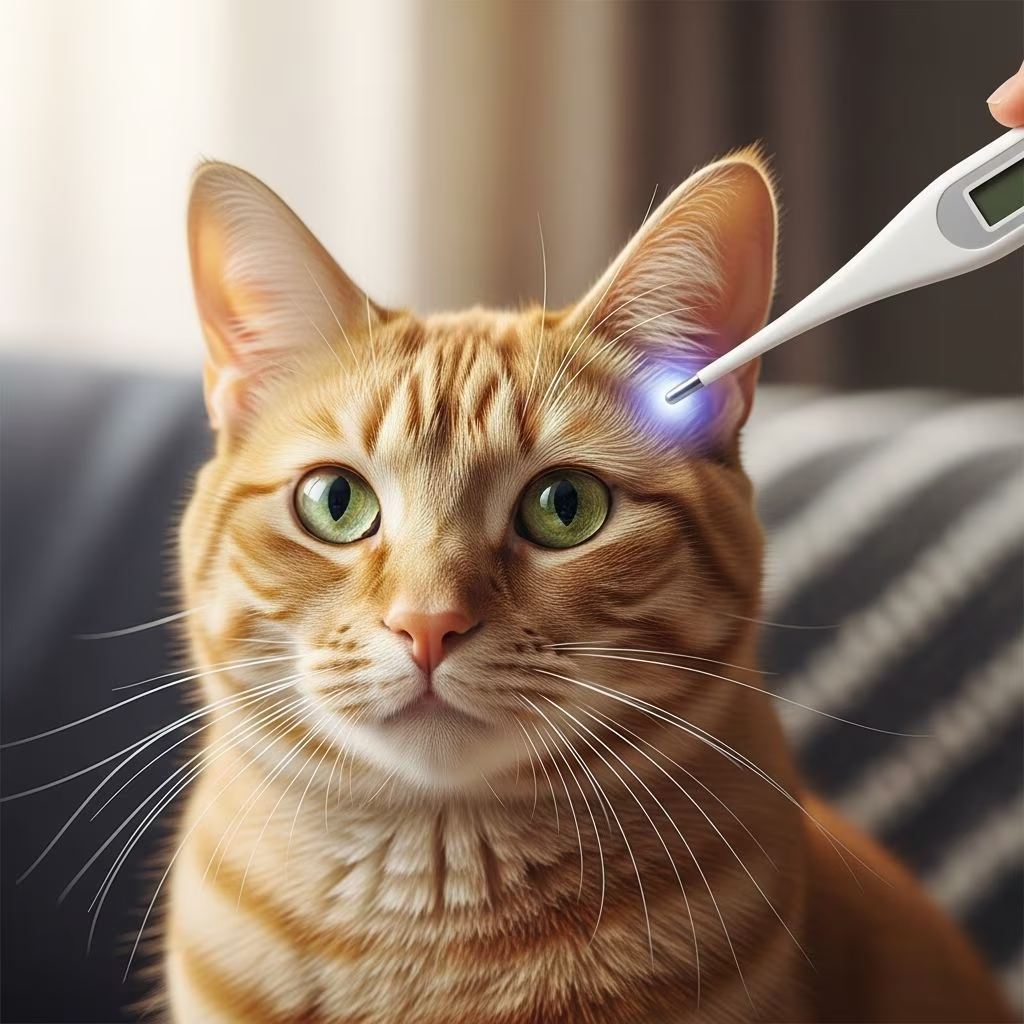
Understanding your cat’s body temperature is a cornerstone of proactive pet health management. Feline physiology maintains a slightly higher baseline than humans, typically spanning **98.1°F to 102.5°F (36.7°C to 39.2°C)**, with variations based on age, environment, and activity. This guide explores normal ranges, measurement techniques, abnormality indicators, and practical care strategies to ensure your cat thrives.
Understanding Feline Body Temperature Basics
Cats are warm-blooded mammals whose core temperature is regulated by the hypothalamus in the brain. This organ acts as a thermostat, triggering mechanisms like shivering for warmth or panting for cooling when needed. Unlike humans, cats have fewer sweat glands and rely heavily on grooming and breathing to dissipate heat, making them vulnerable to environmental extremes.
The traditional reference for adult cats has been **100°F to 102.5°F**, but recent studies on healthy indoor adults reveal a broader, slightly lower spectrum: **98.1°F to 102.1°F**. Factors influencing this include ambient conditions, stress levels, and acclimation time post-handling. For instance, shelter cats showed no significant deviation from home environments after proper settling periods.
Normal Temperature Ranges by Age and Life Stage
Temperature norms evolve as cats grow. Newborn kittens start lower due to immature thermoregulation, gradually aligning with adult levels.
| Age Group | Normal Range (°F) | Normal Range (°C) | Key Notes |
|---|---|---|---|
| Newborn (0-2 weeks) | 95-99 | 35-37.2 | Requires external warmth; monitor frequently. |
| 2-3 weeks | 97-100 | 36.1-37.8 | Improving regulation; nest in warm spots. |
| 4 weeks | 99-101 | 37.2-38.3 | Transitioning to adult norms. |
| Juvenile/Adult (1+ years) | 98.1-102.5 | 36.7-39.2 | Stable; wider in studies of indoor cats. |
| Senior (10+ years) | 98-102 | 36.7-38.9 | May fluctuate; vet checks advised. |
These ranges underscore the need for age-specific monitoring, especially in vulnerable neonates prone to hypothermia.
How to Safely Measure Your Cat’s Temperature at Home
Rectal thermometry remains the gold standard for accuracy in veterinary and home settings. Digital thermometers are preferred for speed (under 10 seconds) and hygiene—use pet-specific probes or cover with lubricant like petroleum jelly.
- Prepare tools: Digital rectal thermometer, lubricant, treats, and a helper.
- Position cat: Gently restrain on side or back; stay calm to minimize stress.
- Insert gently: Lubricate tip, insert 1-1.5 inches into rectum, hold until beep.
- Record and clean: Note reading, disinfect probe, reward cat.
Avoid ear or axillary methods, as they underestimate by 1-2°F. Practice during routine checkups builds tolerance. Normal resting heart rate (160-180 bpm), respiration (20-30 breaths/min), and blood pressure (120-130 mmHg) complement temperature assessments.
Recognizing Fever: When Temperatures Climb Too High
A **fever** exceeds **102.5°F to 103°F**, signaling infection, inflammation, or immune issues. Hyperthermia from external heat surpasses **103.5°F**, risking organ damage above **106°F** via protein breakdown and clotting disorders.
Common fever signs:
- Lethargy and appetite loss
- Warm ears/nose, rapid breathing
- Panting (rare in cats, indicates distress)
- Dehydration (tacky gums)
Environmental heat over **100°F** endangers cats, especially in cars or outdoors. Prompt vet intervention is critical—fevers fight illness but extremes harm organs.
Hypothermia Risks: Dangers of Low Body Temperature
Below **99°F**, hypothermia impairs metabolism, with severity escalating under **95°F**. Kittens, wet cats, or those in cold drafts are at highest risk.
Symptoms include:
- Shivering, weakness, slow breathing
- Cold extremities, dilated pupils
- Unresponsiveness in severe cases
Warm gradually with blankets or circulated warm (not hot) water; seek emergency care.
Environmental Factors Impacting Cat Temperature
Cats prefer a **thermoneutral zone of 86-101°F**, often seeking warmth in cooler homes. Their **102°F** setpoint drives behaviors like sunbathing or cuddling electronics. Outdoor cats face amplified risks: shade cools surfaces by 15-45°F, vital in >100°F heat.
Seasonal tips:
- Summer: Provide shade, water fountains, fans; never leave in cars.
- Winter: Insulated beds, avoid drafts; heated pads for seniors.
Integrating Temperature Checks into Routine Care
Monthly vital monitoring detects issues early. Track trends in a log:
| Date | Temperature (°F) | Heart Rate (bpm) | Respiration (breaths/min) | Notes |
|---|---|---|---|---|
| Example: 01/15 | 101.2 | 170 | 25 | Post-play; active |
Combine with weight checks and behavior observation. Anesthetized or post-surgical cats need vigilant monitoring to prevent hypo/hyperthermia.
FAQs: Common Cat Temperature Questions
Q: Can I use a human thermometer on my cat?
A: Yes, a digital rectal one, but lubricate and be gentle for safety.
Q: Is 102.8°F dangerous?
A: Borderline fever; monitor and consult vet if persistent.
Q: Why does my cat feel hot to touch?
A: Normal fur insulates; rectal check confirms true temp.
Q: How often should I check temperature?
A: Routinely monthly; daily if illness suspected.
Q: What’s too cold for indoor cats?
A: Below 68°F risks stress; provide warm spots.
Prevention Strategies for Temperature Stability
Maintain **68-85°F** home temps, offer varied bedding, and ensure hydration. Microchip implants with temperature sensors aid remote monitoring for high-risk cats. Vaccinations and parasite control reduce fever triggers. Consult vets for tailored advice, especially for breeds like Sphynx with unique needs.
By mastering temperature awareness, owners empower healthier feline lives, catching anomalies before they escalate.
References
- What’s a Normal Cat Temperature? Tips for Checking Your Cat’s Vitals — Hill’s Pet. Accessed 2026. https://www.hillspet.co.id/cat-care/healthcare/normal-cat-temperature-and-checking-vital-signs
- Rectal Temperatures in Healthy Adult Cats — EveryCat Health Foundation. Accessed 2026. https://everycat.org/cat-health/rectal-temperatures-healthy-adult-cats/
- How Hot Is Too Hot for Cats? — Aspen Veterinary Services. 2023-01-15. https://www.aspenvetflagstaff.com/services/cats/blog/how-hot-too-hot-cats-your-guide-caring-outdoor-cats-temperatures-rise
- How Hot Is Too Hot for Cats? — PetMD. Accessed 2026. https://www.petmd.com/cat/general-health/how-hot-is-too-hot-for-cats
- Why Cats Seek Warmth — K&H Pet Products. Accessed 2026. https://khpet.com/blogs/cats/why-cats-seek-warmth
- Fever in Cats: Symptoms and Treatments — WebMD. Accessed 2026. https://www.webmd.com/pets/cats/fevers-in-cats
- Taking the Temperature in a Kitten or Puppy — Maddie’s Fund. Accessed 2026. https://www.maddiesfund.org/taking-the-temperature-in-a-kitten-or-puppy/presentation_content/external_files/Educational%20Handout-%20Taking%20the%20Temperature%20in%20a%20Kitten%20or%20Puppy.pdf



